

C++ Modulus Operator (%) — Complete Guide with Examples & Edge Cases
The C++ modulus operator (%) returns the remainder of a division. This guide covers everything — negative numbers, fmod() for decimals, real use cases, and the pitfalls to avoid.
Programming powers modern technology — from desktop software and websites to mobile apps, games and enterprise systems. Strong programming skills remain essential for developers, students and technology professionals building modern digital solutions.
MYCPLUS has been publishing programming tutorials, source code examples and practical development guides since 2004. This programming hub brings together tutorials for C, C++, C#, Java, JavaScript, PHP and Python, along with game development and real-world coding examples designed for hands-on learning.
You will find beginner-friendly programming tutorials, practical source code examples and advanced development guides covering object-oriented programming, debugging, modern programming techniques and professional software development practices. Whether you are learning your first language, improving coding skills or exploring modern development technologies, this section provides structured resources for real-world programming and software engineering.
Why MYCPLUS: One of the web’s longest-running programming resources — trusted since 2004 with hundreds of tutorials, practical coding guides, source code examples and developer learning resources designed for real-world programming skills.
The C++ modulus operator (%) returns the remainder of a division. This guide covers everything — negative numbers, fmod() for decimals, real use cases, and the pitfalls to avoid.
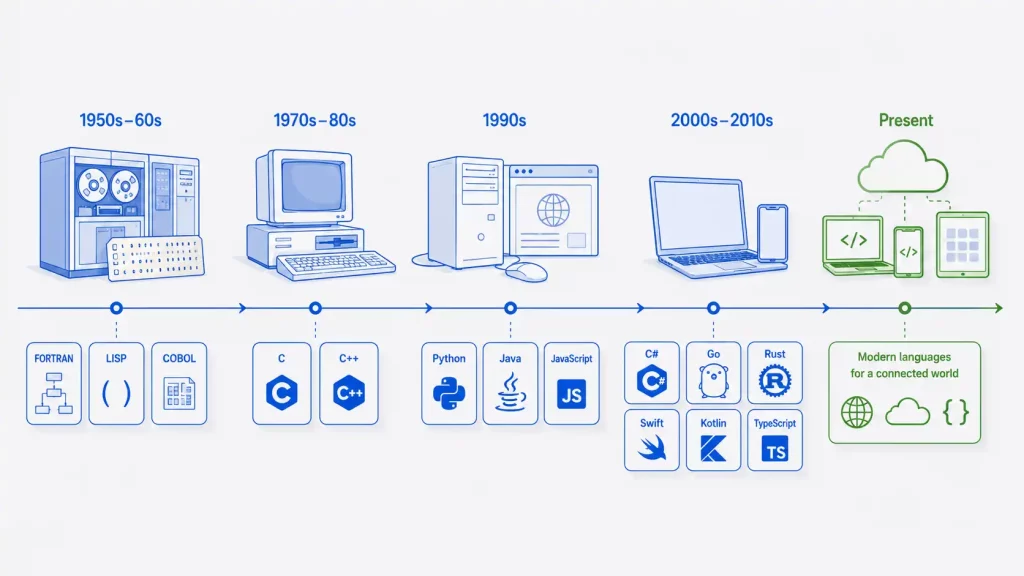
Every programming language was created to solve a problem. This is the history behind the major languages — who invented C, Python, Java, Rust and more, when, and why.
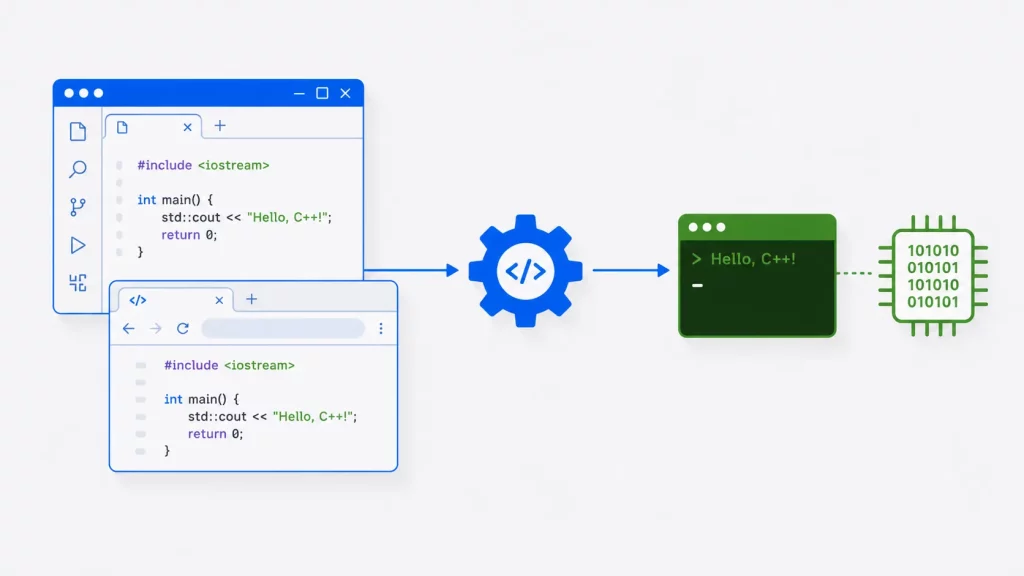
Choosing a C++ compiler shapes your whole workflow. Here’s how GCC, Clang, MSVC, Intel and the best online compilers compare in 2026 — with clear picks for beginners and pros.
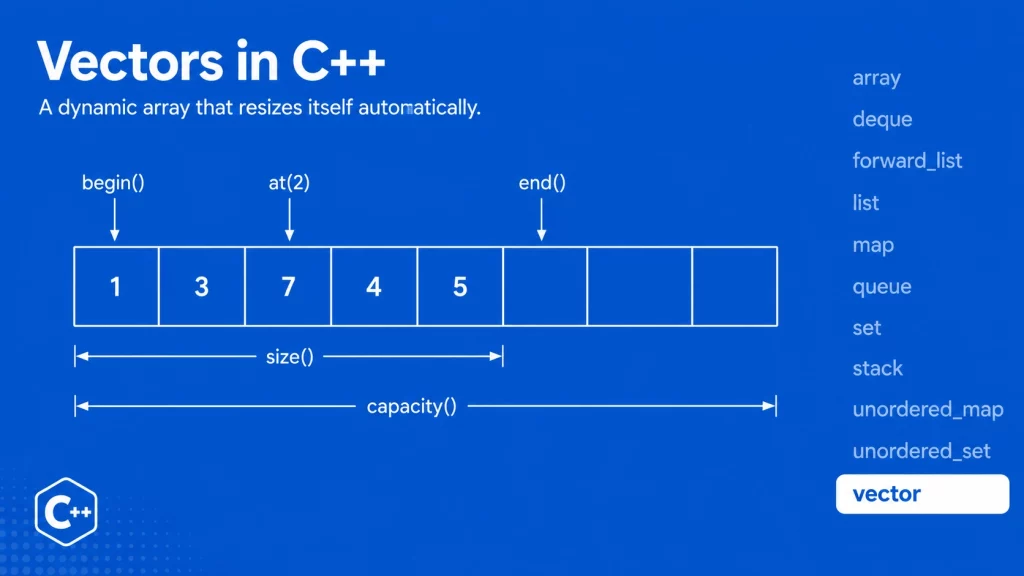
std::vector is the workhorse container of modern C++. This guide covers every core operation, performance tips like reserve(), 2D vectors, and when to use it over arrays and lists.
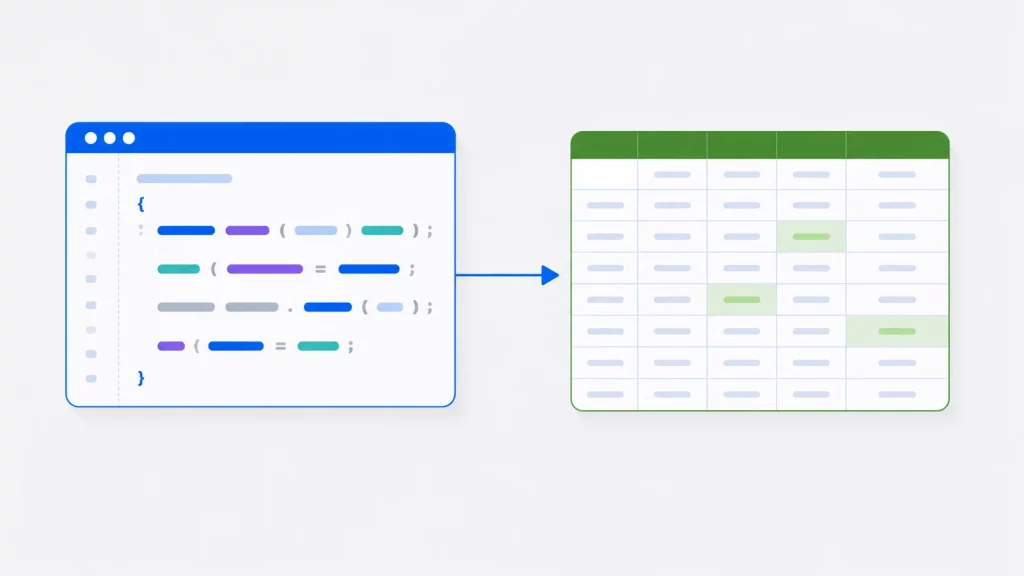
Working with Excel files in C# has several solutions, and Interop is rarely the best one anymore. Here’s how to read and write .xlsx with ClosedXML, EPPlus and NPOI in modern .NET.
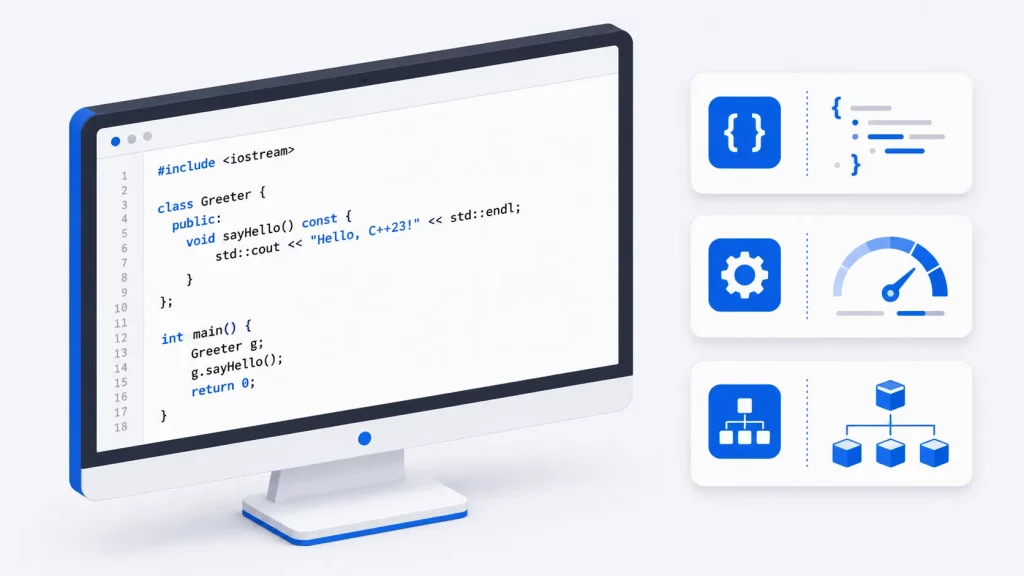
C++ powers the software where speed matters most, from game engines to trading systems. This guide takes you from your first program to modern C++, one concept at a time.
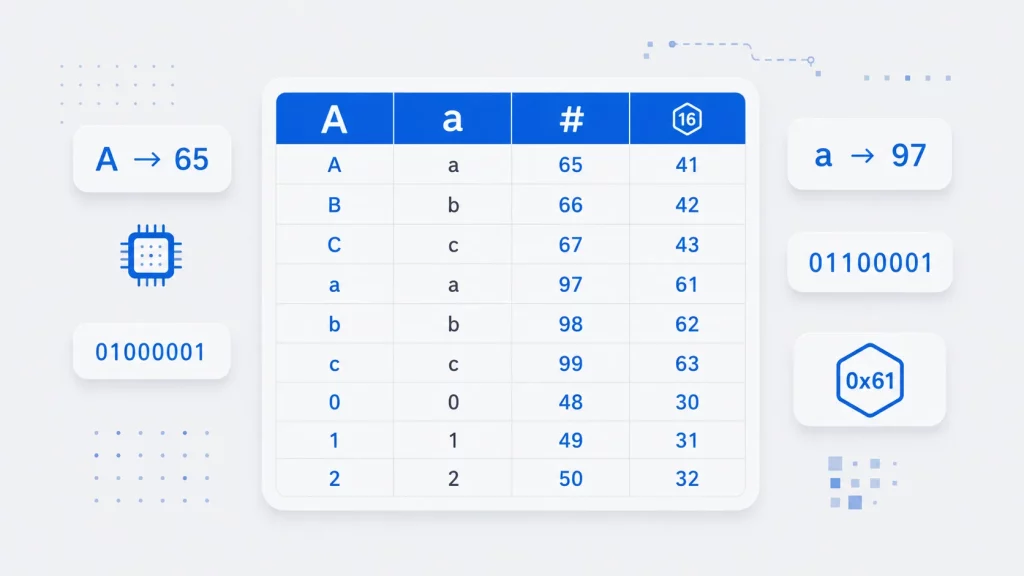
The ASCII table maps every character your computer displays to a number. Here are all 128 codes in decimal, hex, octal and binary — plus what each one means.
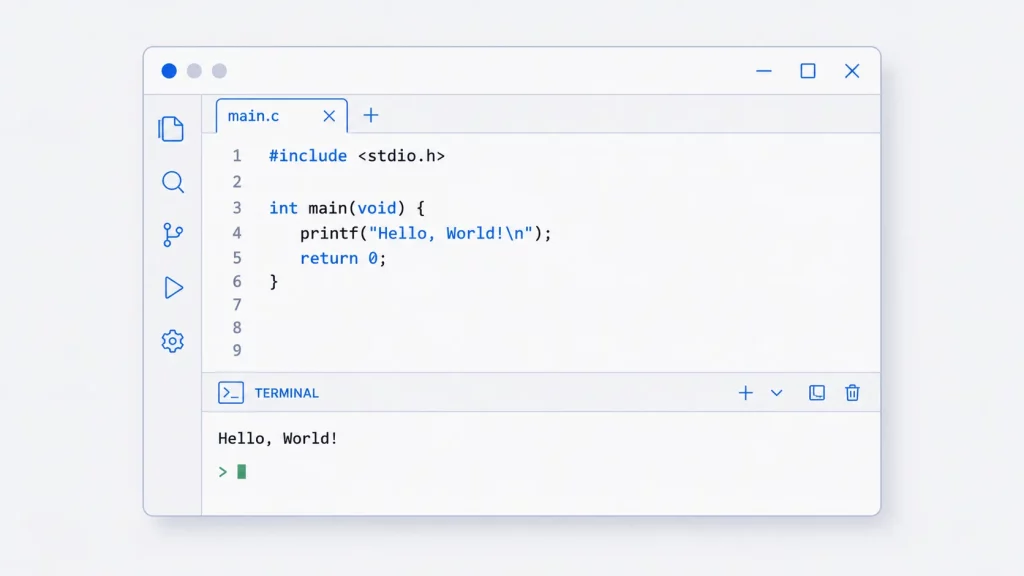
Every C programmer starts with the same five lines. This guide explains each one, then shows you how to compile, run and extend your first C program.
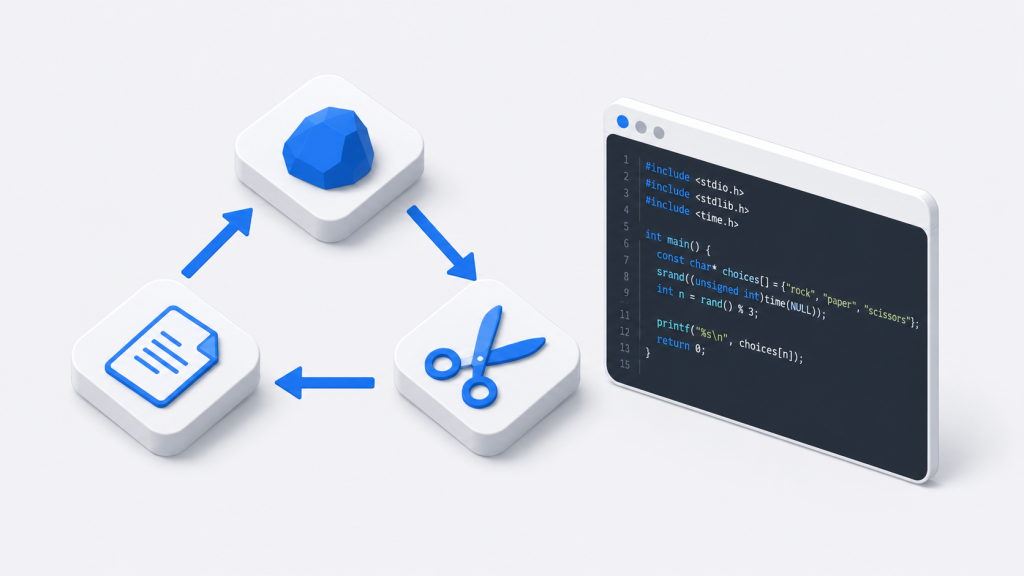
Learn to build a Rock, Paper, Scissors game in C++ with this complete tutorial. Includes working source code, modern C++ random number generation, game logic explanation, and best practices for beginners.

C++ is a basic programming language that is used ubiquitously to create the back end of various products. Despite lagging behind in the TIOBE rankings, his status has not changed. Most companies cannot do without it, so they always hire C++ developers on their staff. There are plenty of purposes for using the language:

Explore how C++ developers can optimize applications for 3D NAND SSDs to achieve faster performance, higher storage efficiency, and improved durability compared to traditional 2D NAND-based drives.
Learn practical strategies for improving data access, memory management, and I/O operations for modern SSD architectures.

Although there are good tools that one can use to process and convert large and complex XML data like a converter from Sonra, there are quite a few libraries that can help in processing some simple XML over C++.