
Data Structures

Explore data structures including arrays, linked lists, stacks, queues, trees, and advanced storage techniques. Learn how efficient data organization improves algorithm performance and software development.

Data Structures and Their Role in Streamlining Daily Programming

Data Structures and Their Role in Streamlining Daily Programming

Data structures are essential for efficient programming, enabling optimal data storage, retrieval, and management. This article explores key data structures in C++, including arrays, linked lists, stacks, queues, hash tables, trees, and graphs. Each structure is explained with practical examples, highlighting its use cases and efficiency considerations. Choosing the right data structure improves performance, reduces memory usage, and enhances scalability. Understanding their strengths and limitations helps programmers write optimized and effective code.
Structures in C Programming

Structure in C Programming

A structure is combination of different data types. Lets take the example of a book, if we cant to declare a book we will be thinking about the name, title, authors and publisher of the book and publishing year. So to declare a book we need to have some complex data type which can deal with more than one data types.

Binary Decision Diagram (BDD) - Data Structure

Binary Decision Diagram Data Structure

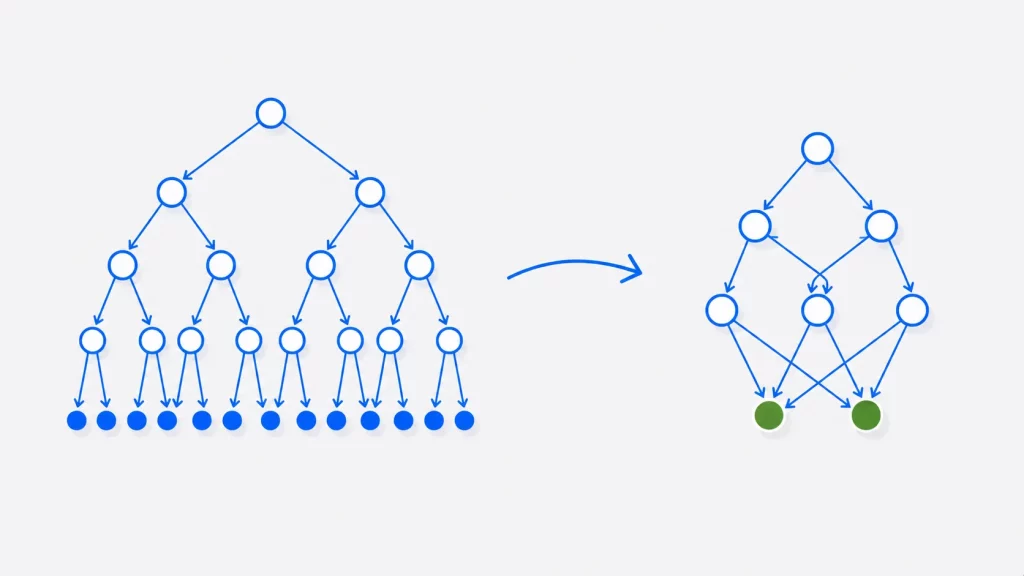
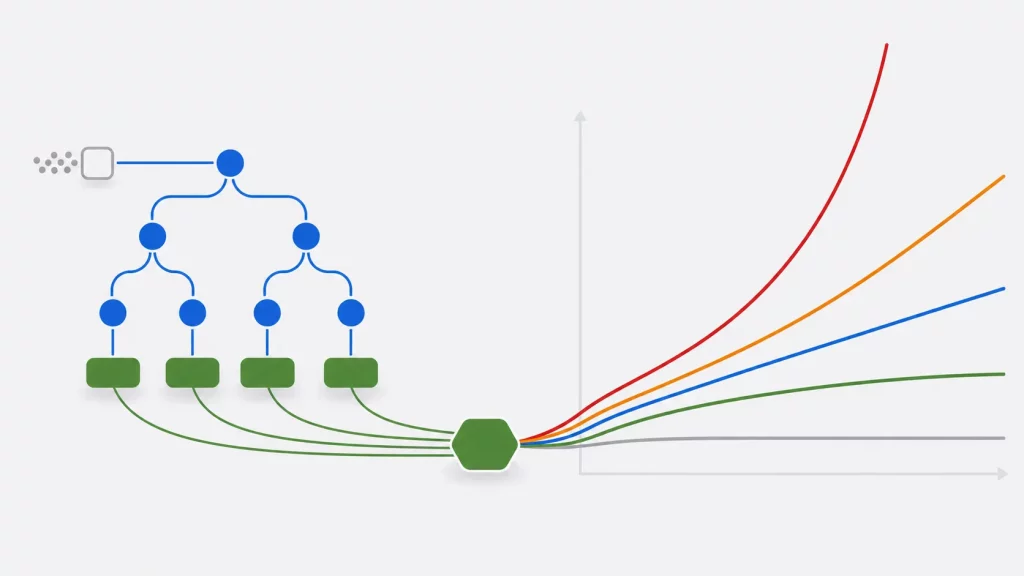
A BDD (Bryant 1986) or branching program is a data structure that is used to represent a Boolean function. On a more abstract level, BDDs can be considered as a compressed representation of sets or relations. Unlike other compressed representations, operations are performed directly on the compressed representation, i.e. without decompression.

trie data structure

Trie Data Structure

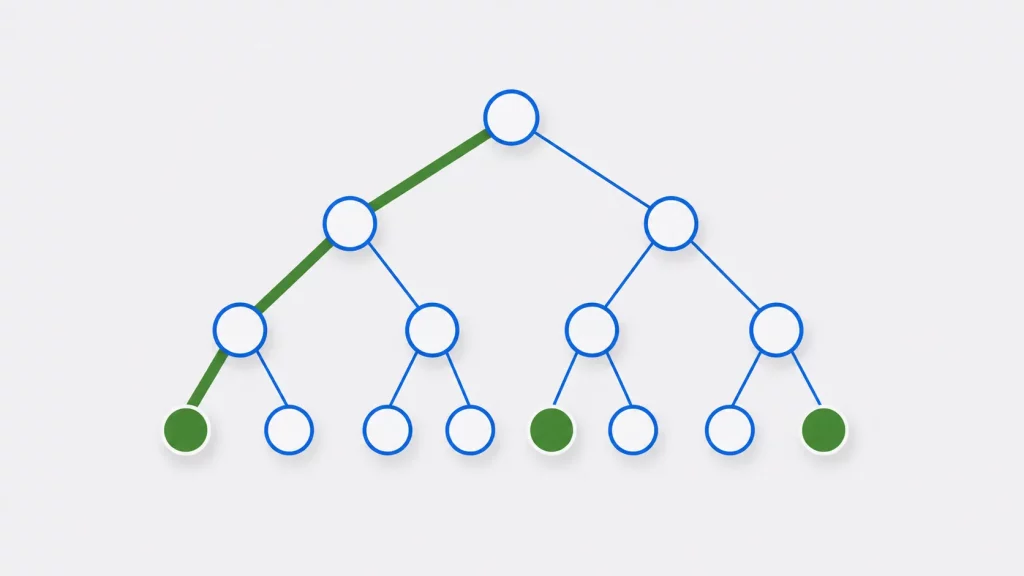
A trie (Fredkin, 1960), also called digital tree and sometimes radix tree, is an ordered multi-way tree data structure that is used to store a dynamic set or associative array where the keys are usually strings. Unlike a binary search tree, no node in the tree stores the key associated with that node; instead, its position in the tree defines the key with which it is associated.

programming

The Future Of Programming: Top Languages All Programmers Should Know

Many jobs in the IT industry require mastery of programming languages. If you are planning to establish a career that requires mastering these skills, it’s a good idea to look into them well ahead of time. Like any other skill, programming takes effort, time, and money to learn. Because of this, you want to make sure you obtain the knowledge required in the position you are aiming for. Here are the top programming languages every programmer should know.

L1 Cache Implementation in C

LRU and FIFO L1 Cache Implementation using C

This is a C program to demonstrate cache mechanism by simulating a cache in C. The source code can run in any C Compiler with minor modifications if required. It can run on real memory traces as input to your cache simulator. We have implemented two cache replacement policies i.e. least recently used (LRU) and First-in first-out (FIFO) replacement policies.

succeed in the coding interviews

How to succeed in the coding interviews?

The coding interview platform provided by several kinds of organizations is considered to be the best possible way of recruiting people who are the best fit for the organization. At the time of hiring the people for technical jobs, it is very much important to judge their technical skills and the first barrier to entry in this particular concept can be termed as the technical or coding interview.

c-algorithms-library

C Algorithms Library

This article is about a collection of common Computer Science algorithms which may be used in C projects. The C Programming Language has a much smaller Standard Library as compared to other more modern programming languages such as Java or Python. The library provides a basic set of mathematical functions, string manipulation, type conversions, and file and console-based I/O.

Scroll to Top