
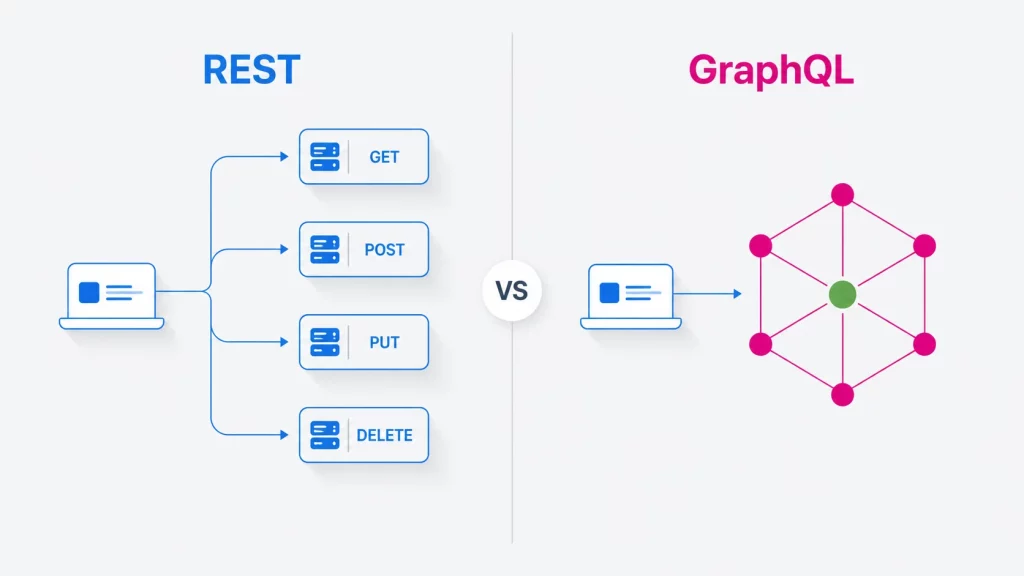
GraphQL vs REST: Which API Should You Use in 2026?
GraphQL and REST both power the world’s biggest platforms, so “which is better” is the wrong question. Here’s how they really differ and when to choose each.
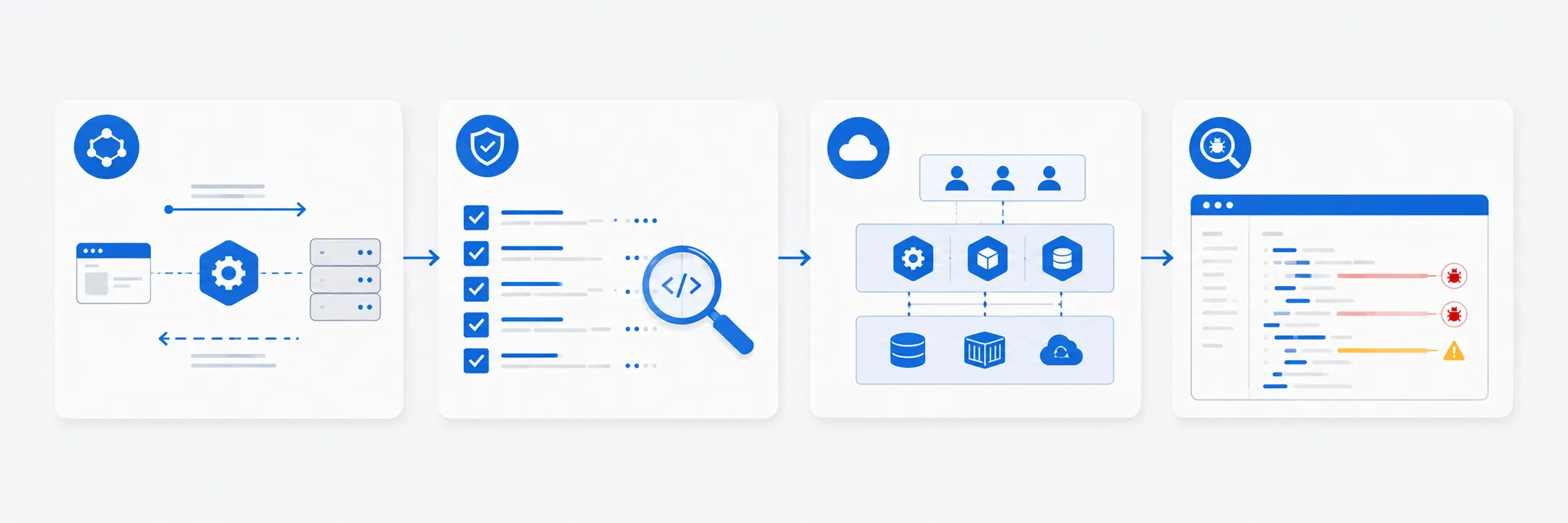
Writing code that works is only half the job. Writing code that is readable, maintainable, scalable and secure — code that other developers can understand, extend and trust — is what separates professional software development from hobby programming. Best practices work hand in hand with DevOps practices and secure coding techniques — together they form the foundation of how professional teams ship reliable software consistently.
MYCPLUS has been publishing software development best practices guides since 2004, covering the practical techniques and professional standards that modern development teams apply to build better codebases. This section covers API design principles, code quality strategies, SaaS development practices and code analysis tools — four areas where applying established best practices makes an immediate, measurable difference to the quality and longevity of your software.
Whether you are a developer building your first API, a team lead establishing code quality standards, a startup founder building a SaaS product, or an engineer evaluating static analysis tools for your codebase — this section gives you the practical, experience-backed guidance to make better technical decisions. Every article is grounded in how professional development teams actually work, not just theoretical ideals.
Security is inseparable from best practices in professional software development. Our Security tutorials cover secure coding patterns, vulnerability prevention and application security techniques that every developer should apply alongside clean code and API best practices.
Trusted by software developers and engineering teams since 2004 — every best practices guide combines practical industry experience, real-world code examples and honest technical guidance designed to help developers write cleaner, safer and more maintainable software.
GraphQL and REST both power the world’s biggest platforms, so “which is better” is the wrong question. Here’s how they really differ and when to choose each.

A cloud-based application is any software whose components are stored online and whose processes are executed in the cloud. Data can be accessed offline even though it is stored in the cloud. You can use the software either through a web browser, mobile app, or desktop app.
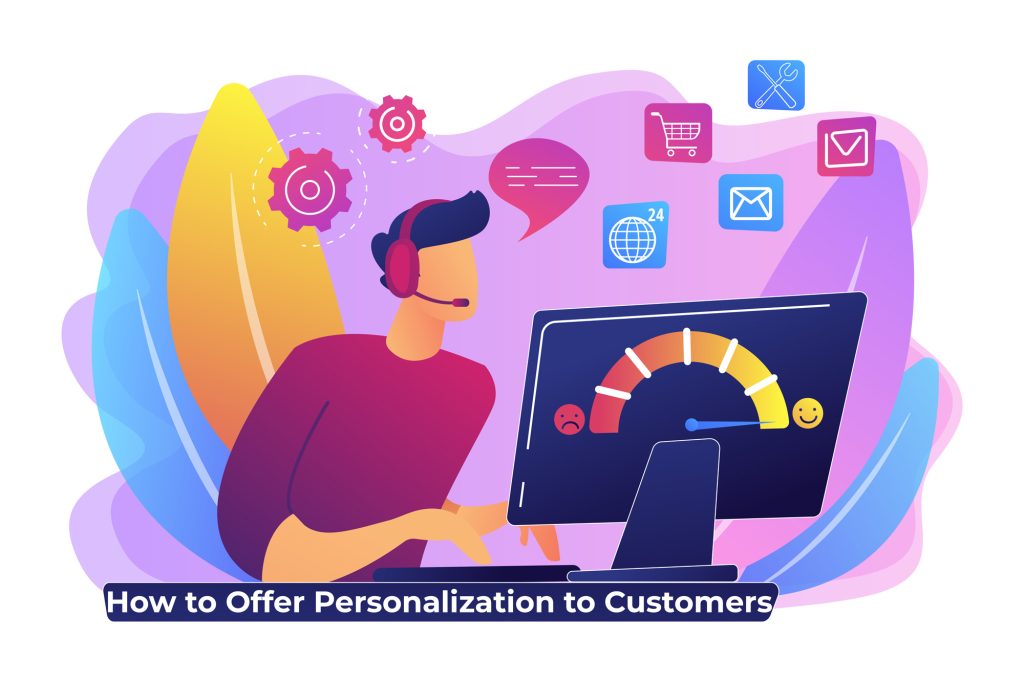
With this guide you will be able to offer extremely helpful and welcome personalization, no matter how big or small or your company is. By putting your customers in charge of the data they provide and the data that you use, you can offer the level of personalization that each customer is comfortable with.

Choosing the right set of technology for SaaS development is a complex and vital decision. Many businesses seek SaaS development consulting to navigate this intricate process. This article serves as a comprehensive guide to choosing the best tech stack for SaaS, exploring various facets of the development process, understanding the SaaS ecosystem, considering the cost of a multi-tenant environment, and adhering to high security and best security practices.
We live in a new era of data-centered enterprise management. There are various types of modern data coming through different sources, in increasing volumes, and from different locations like never before. We now live in an era of emerging solutions which helps enterprises to meet the challenges in data integration effectively.

There are a lot of things involved with search engine marketing. It is not hard to learn the skills & techniques in Search Engine Marketing. And once well-read, search engine marketing can provide a successful technique of driving highly targeted visitors to your web site or blog.
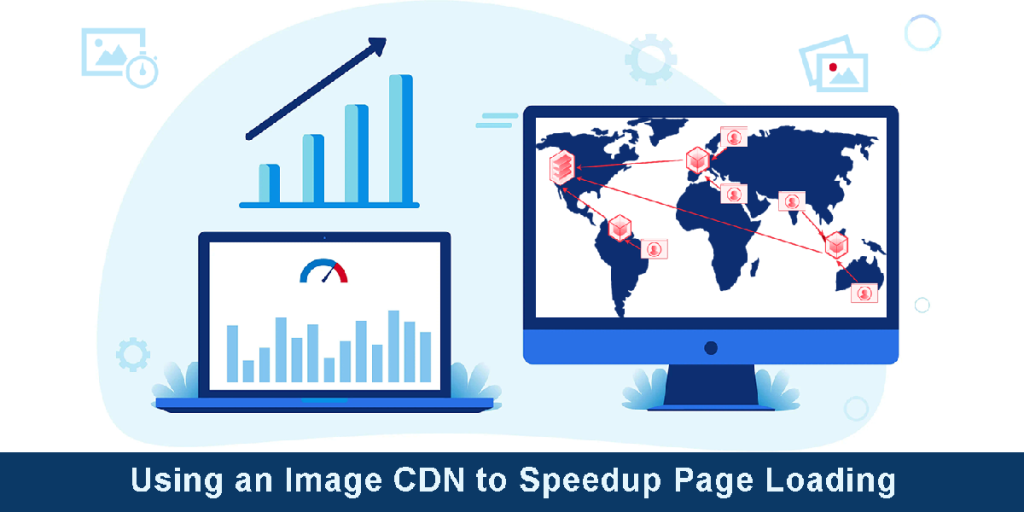
In this article, we will study the benefits of having an image CDN, show how it differs from the regular image optimization tools, and outline six cases when you should consider setting up an image CDN to solve technical issues.

To become a cloud developer, you must learn some programming languages. There are numbers of factors driving demand for cloud computing and gaining popularity. . Businesses are moving to the cloud due to various reasons such as Flexibility and scalability , Speed and Convenience and cost reduction.

Malicious hackers constantly look for vulnerabilities to exploit and sensitive data to steal. The consequences of a successful hack can be severe, not only for users but also for the developers of the affected app. A data breach can lead to loss of revenue, damage to reputation, and even legal action. Therefore, it is crucial for app developers to take proactive steps to safeguard their creations and the sensitive data they handle. This article has some essential tips to help you secure your app development process like a pro.

Codebase management is crucial for software startups, particularly when working with C++. Effectively managing a C++ codebase ensures scalability, maintainability, and efficiency in development. This article explores best practices for C++ codebase management in startup environments, highlighting strategies to streamline development processes, enhance collaboration, and optimize code quality.