
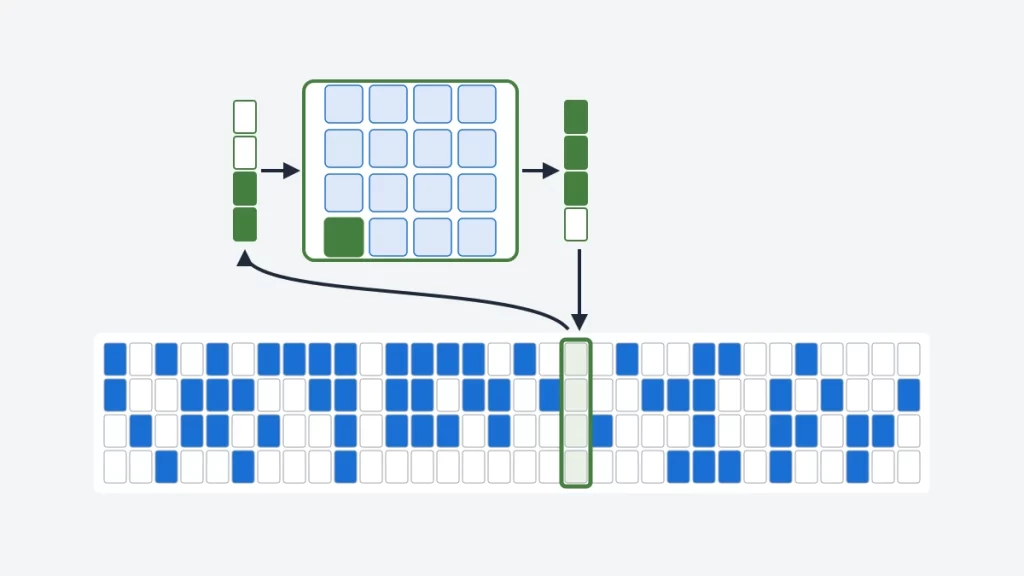
Serpent Cipher Explained: How It Works, With Code in C, C++, Java, Python and C#
The AES finalist with a 32-round safety margin: how Serpent works, why two correct versions disagree, and four mistakes that a round-trip test misses.
The AES finalist with a 32-round safety margin: how Serpent works, why two correct versions disagree, and four mistakes that a round-trip test misses.

What changes when a C++ class has two bases: offsets, ambiguous names, a duplicated base in the diamond, and who constructs a virtual base class.

How C++ inheritance works and where it fails quietly: default private bases, hidden overloads, a missing virtual destructor, and arrays of derived types.
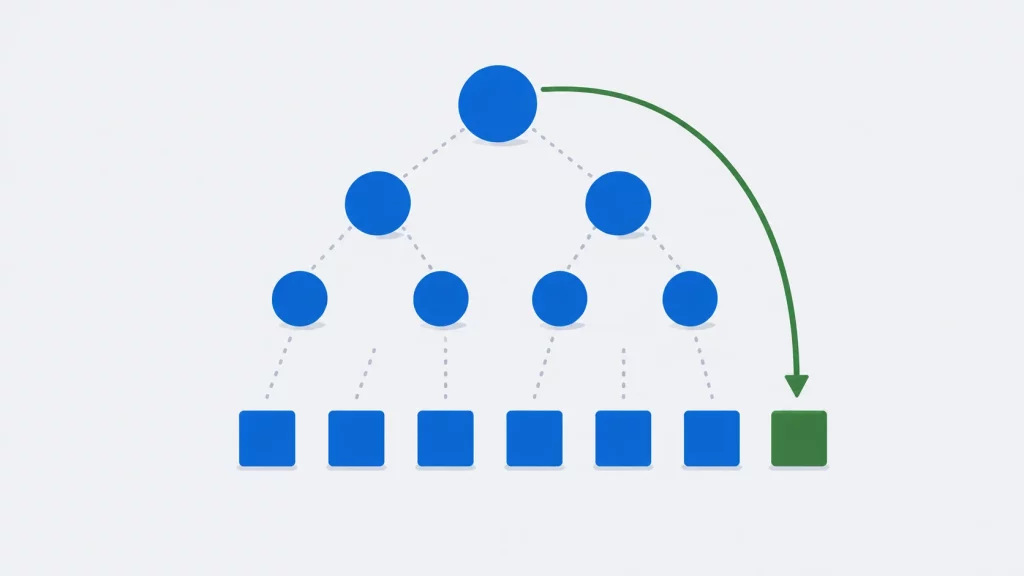
Heap sort is O(n log n) in place on every input. How the heap lives in an array, code in five languages, and what the guarantee costs against quicksort.

Merge sort is stable and O(n log n) on every input. Code in five languages, measured comparisons and allocations, and four mistakes that compile.

Selection sort always makes n(n − 1)/2 comparisons and at most n − 1 swaps. Code in five languages, measured counts, and three mistakes that sort.

Insertion sort moves one element per out-of-order pair. A traced example, code in five languages, and measurements that show what that costs.
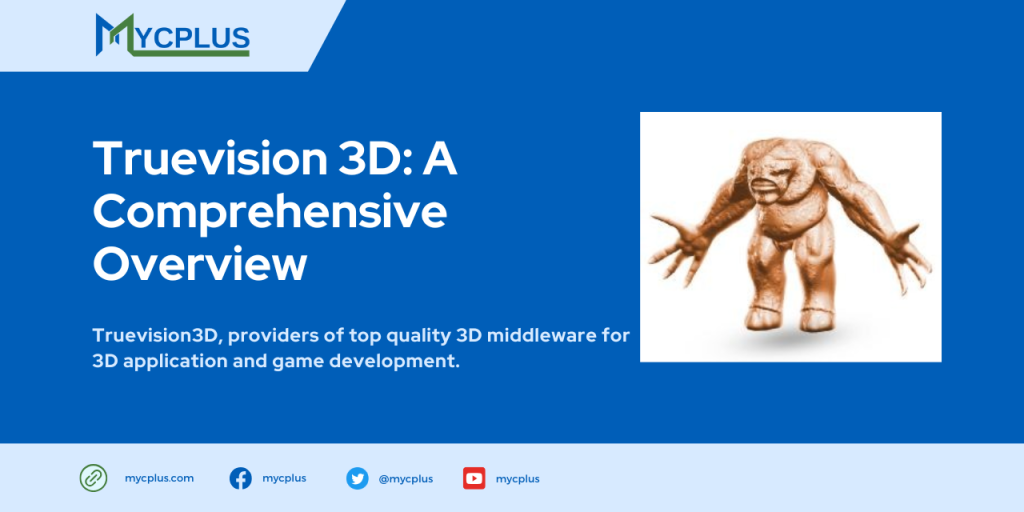
Truevision 3D is a game engine that has been a significant player in the world of 3D game development. Known for its versatility and ease of use, Truevision 3D has been utilized by both indie developers and professional studios to create a wide range of games and simulations.

How C++ smart pointers own memory, measured: what each one costs in bytes and allocations, why shared_ptr cycles leak, and which one to use where.

0/1 knapsack in C and C++: the DP recurrence, item recovery, why greedy and an upward loop give wrong answers, and the fractional variant, all tested.
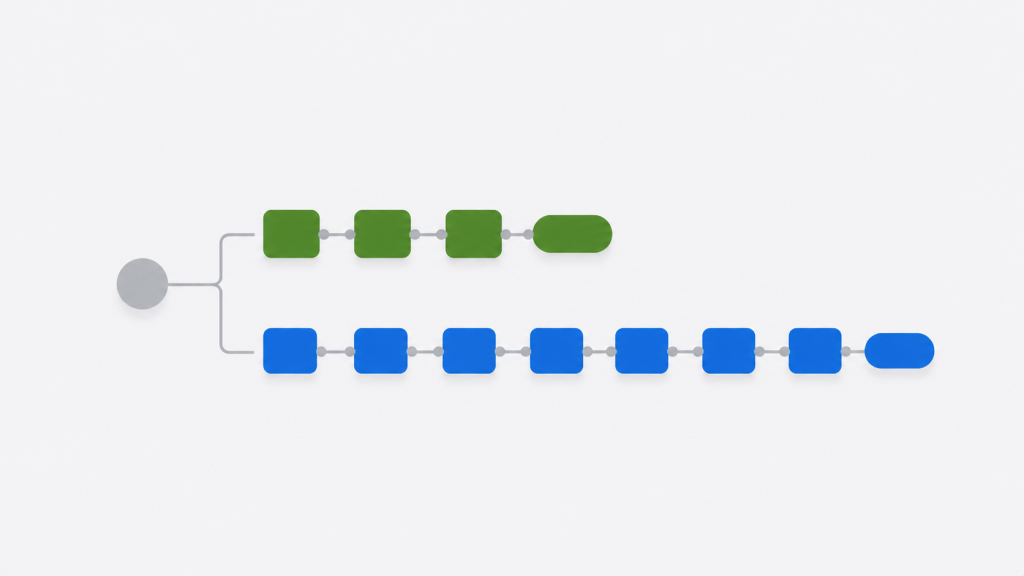
ONNX Runtime from Python beat LibTorch from C++. Four runtimes measured, and what the C++ advantage in ML inference actually consists of.

The standard library, Boost, Qt, Eigen, libcurl, oneTBB, OpenCV, Catch2, POCO and {fmt}: one tested program each, and what each costs to build.