
The Standard C++ Library
The 1998 C++ standard consists of two parts: the core language and the C++ standard library; the latter includes most […]
The 1998 C++ standard consists of two parts: the core language and the C++ standard library; the latter includes most […]
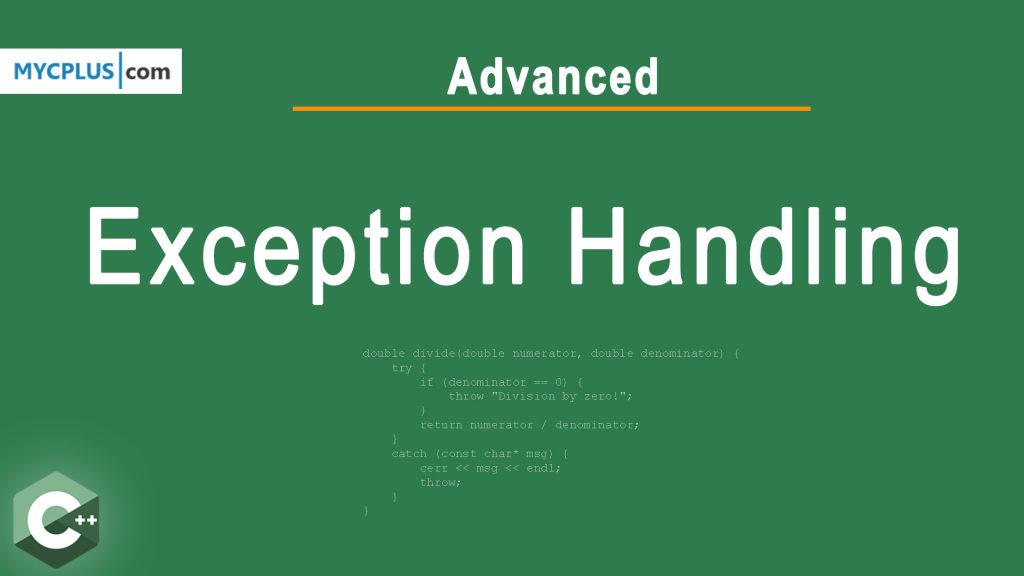
An exception usually signals an error. One of the major features in C++ is exception handling, which is a better way of thinking about and handling errors. Thought it doesn’t always indicate an error, it can also signal some particularly unusual even in your program that deserves special attention. This article also covers try, throw, and catch, the C++ keywords that support exception handling.
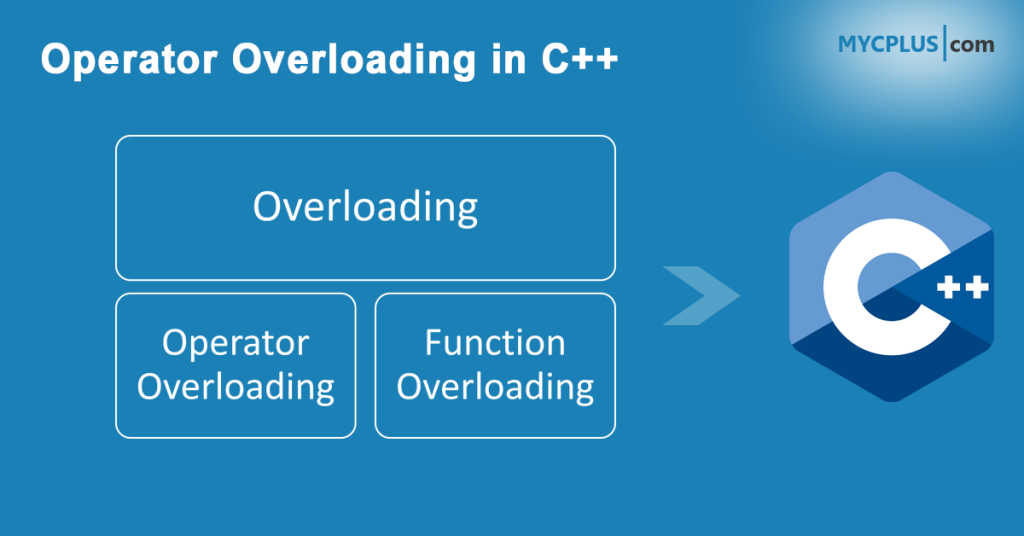
Operator Overloading enables us to make the standard operators, like +, -, * etc, to work with the objects of our own data types or classes. We can write a function which redefines a particular operator so that it performs a specific operation when it is used with the object of a class.
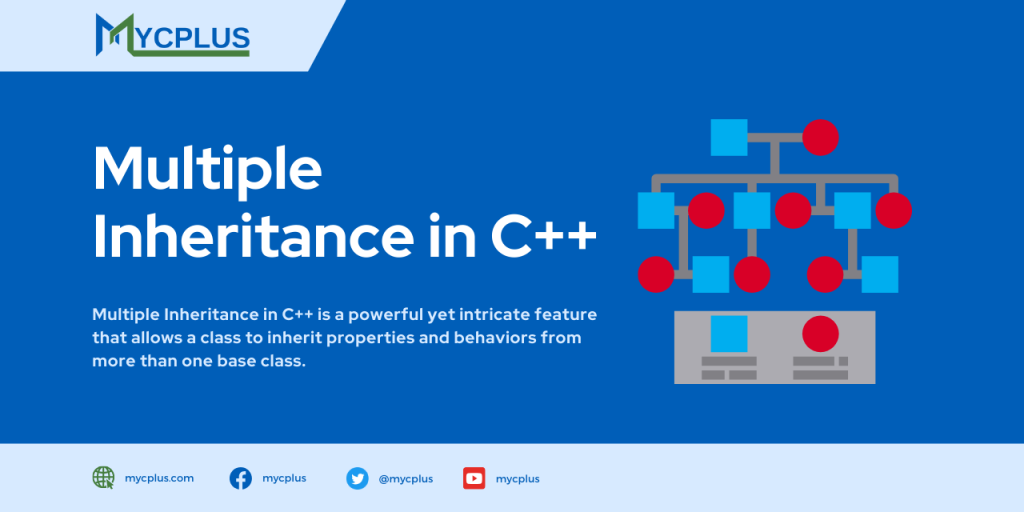
Multiple Inheritance in C++ is a powerful yet intricate feature that allows a class to inherit properties and behaviors from more than one base class. In traditional single inheritance, a class can have only one immediate parent, but with multiple inheritance, a derived class can inherit from multiple base classes.
While grasping the fundamentals of encapsulation is crucial, delving into advanced concepts and patterns elevates code design and maintainability further in C++. In this article, we will explore sophisticated aspects of encapsulation that go beyond the basics and provides you with a deeper understanding of its applications and impact on software development.
Functions are the building blocks of any programming language. In C++, a function is a block of code that performs a specific task. Think of it as a mini-program within your main program, designed to execute a particular operation. Functions are like building blocks that help break down complex problems into manageable chunks, making your code more readable and modular.
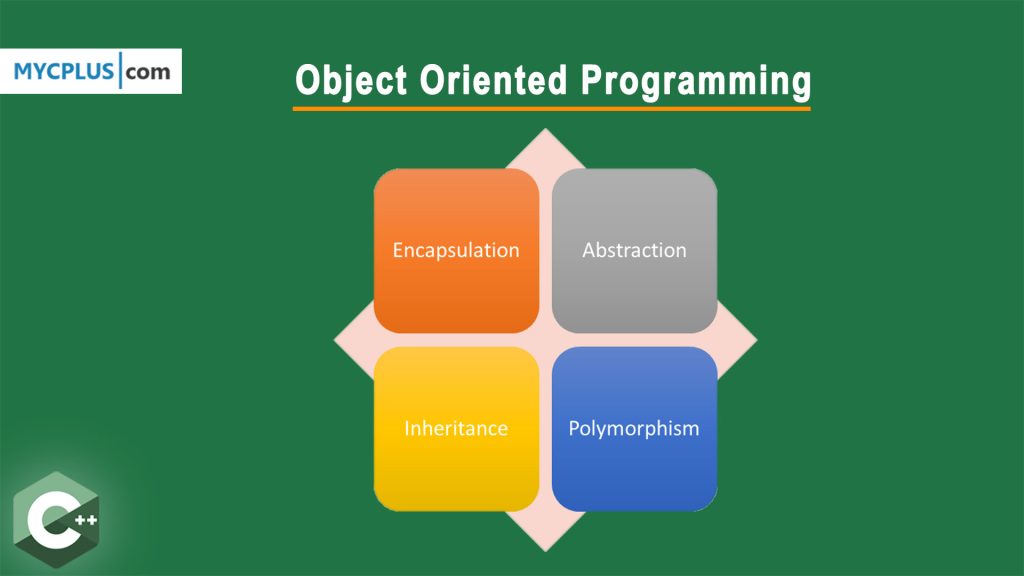
Object- Oriented Programming (OOP) is an approach to program organization and development that attempts to eliminate some of the pitfalls of conventional programming methods by in incorporating the best of structured programming features with several powerful new concepts.
A constructor is a special method that is created when the object is created or defined. This particular method holds the same name as that of the object and it initializes the instance of the object whenever that object is created. The constructor also usually holds the initialization of the different declared member variables of its object.
As opposed to a constructor, a destructor is called when a program has finished using an instance of an object.
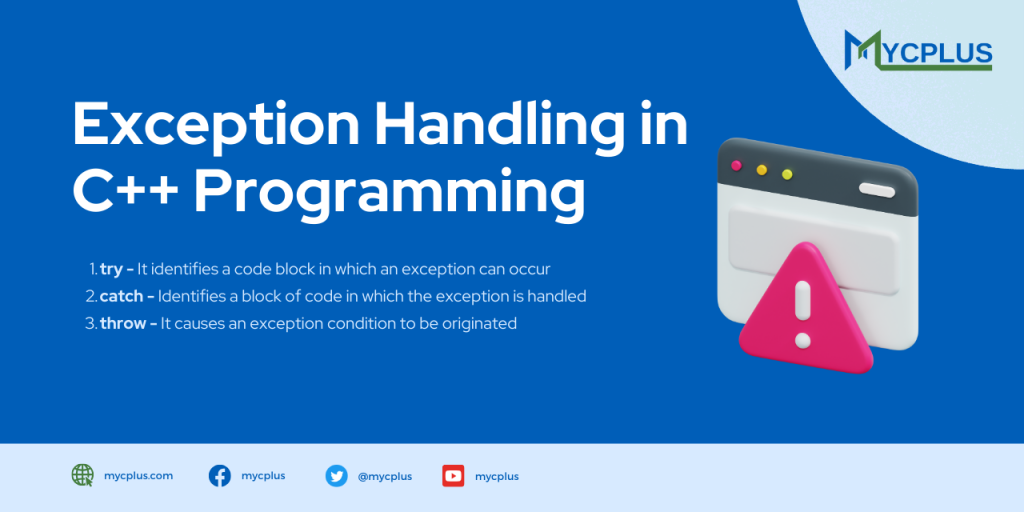
Exceptions are the way of flagging unexpected conditions or errors that have occurred in C++ program. C++ Language provides a good mechanism to tackle these conditions. The exception mechanism uses three keywords: try, catch and throw.
Algorithms are are at the core of computing. One intriguing approach is Genetic Algorithms (GAs), which draw inspiration from natural selection and genetics. These algorithms excel at solving optimization and search problems by mimicking evolutionary processes. When it comes to putting these ideas into code, C++ stands out as a powerful and versatile language.
As we begin the study of C++ and object oriented programming, a few comments are in order to help you get started. Since the field of object oriented programming is probably new to you, you will find that there is a significant amount of new terminology for you to grasp. This is true of any new endeavor and you should be warned not to be intimidated by all of the new concepts.