
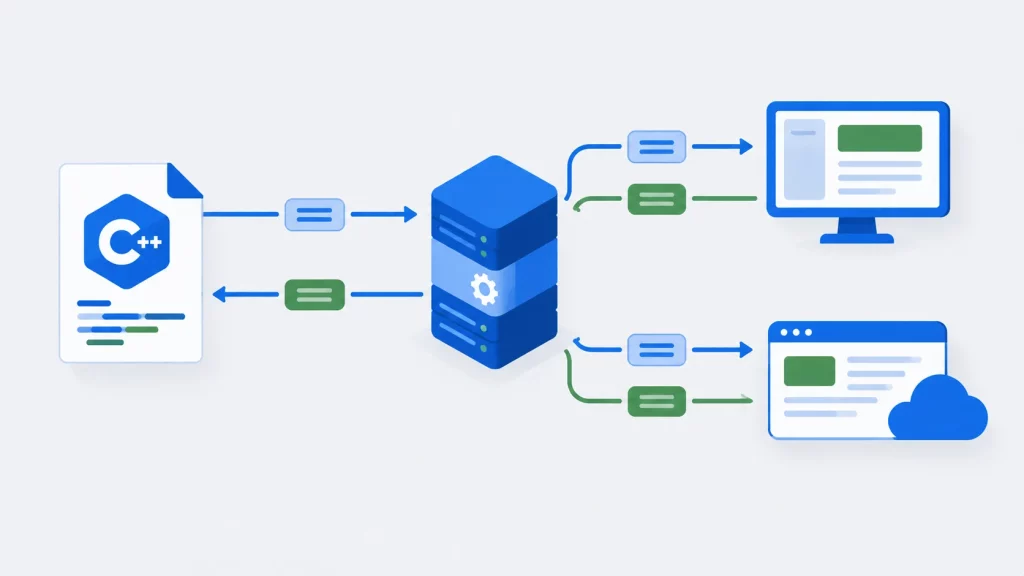
Microsoft C++ REST SDK Is Archived: What to Use Instead
Archived on 1 June 2026, read-only, 797 issues frozen. It still compiles clean on GCC and fails outright on current MSVC. Here is what to do about it.
Programming powers modern technology — from desktop software and websites to mobile apps, games and enterprise systems. Strong programming skills remain essential for developers, students and technology professionals building modern digital solutions.
MYCPLUS has been publishing programming tutorials, source code examples and practical development guides since 2004. This programming hub brings together tutorials for C, C++, C#, Java, JavaScript, PHP and Python, along with game development and real-world coding examples designed for hands-on learning.
You will find beginner-friendly programming tutorials, practical source code examples and advanced development guides covering object-oriented programming, debugging, modern programming techniques and professional software development practices. Whether you are learning your first language, improving coding skills or exploring modern development technologies, this section provides structured resources for real-world programming and software engineering.
Why MYCPLUS: One of the web’s longest-running programming resources — trusted since 2004 with hundreds of tutorials, practical coding guides, source code examples and developer learning resources designed for real-world programming skills.
Archived on 1 June 2026, read-only, 797 issues frozen. It still compiles clean on GCC and fails outright on current MSVC. Here is what to do about it.

The syntax takes a minute. The five ways it goes quietly wrong take longer — and every one of them compiles without an error.
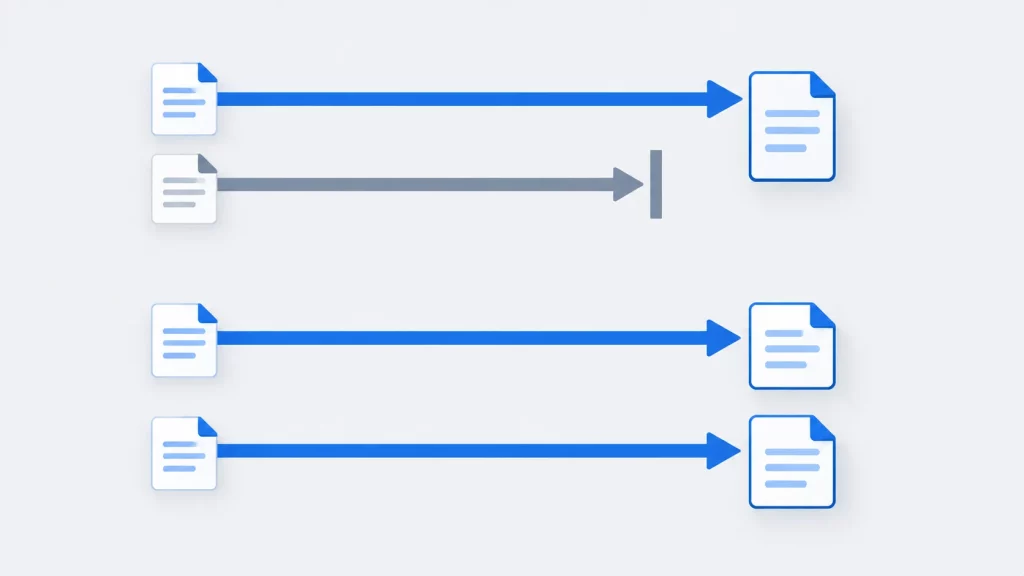
A guard stops a header being pasted in twice. It does not stop it being defined twice. Tested examples, captured errors, and the pragma once myths.
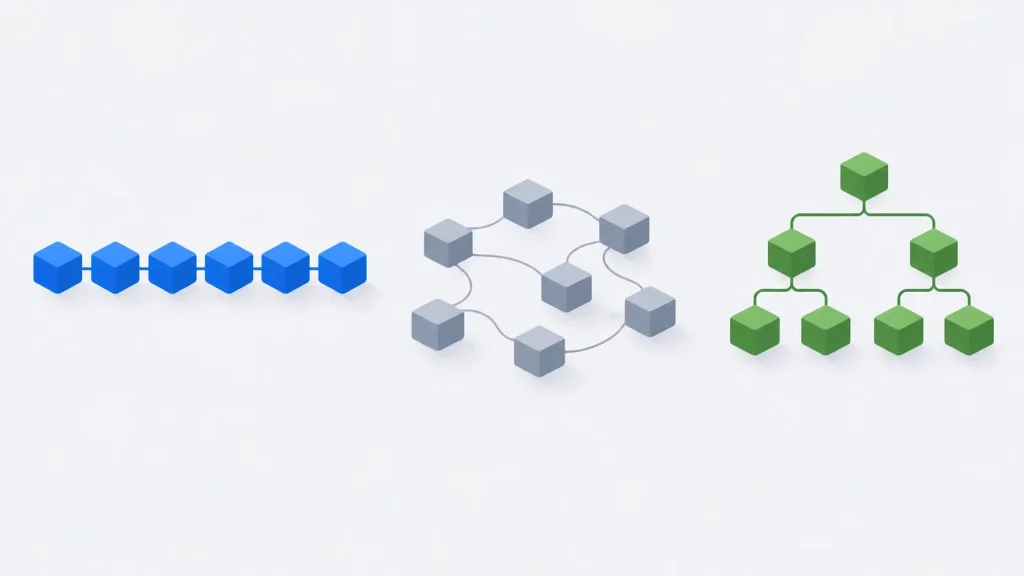
The complexity table says list wins. Measured, vector was 30 times faster with the same search. A selection guide for the C++ container library.
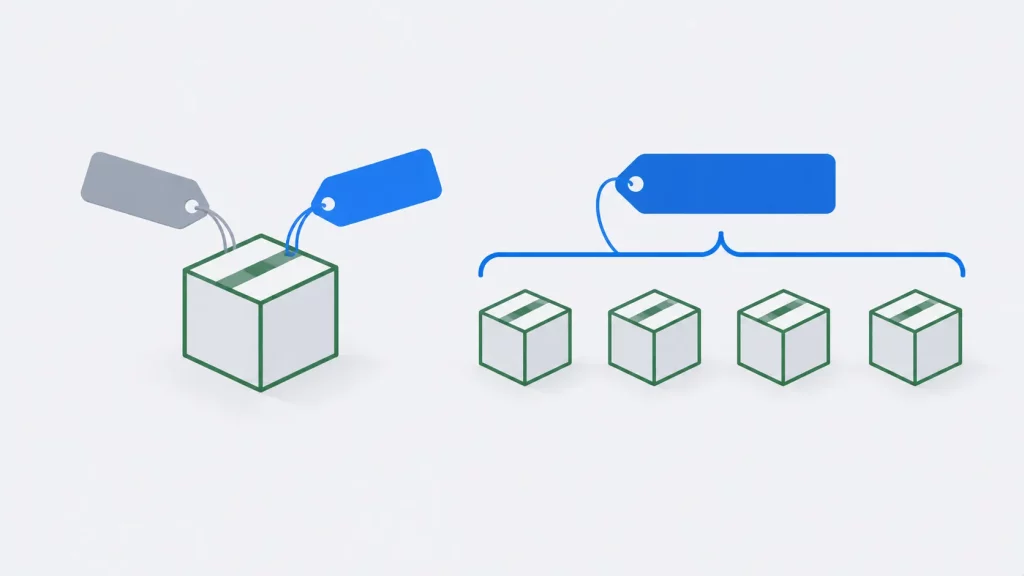
Two keywords, one difference that matters — and it is the one short explanations skip. Tested examples, captured errors, and when to use each.
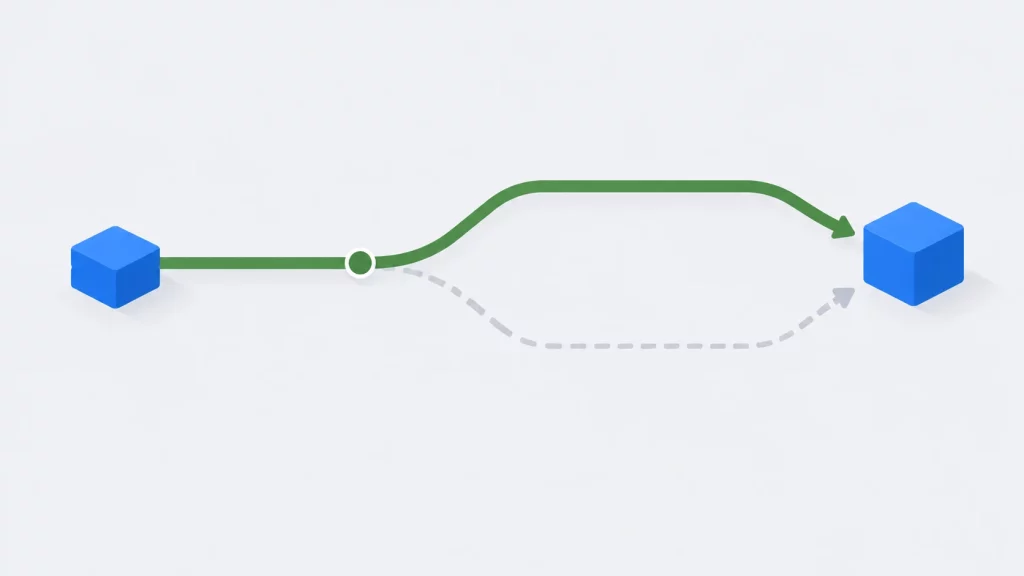
Only one branch runs, but both decide the type — and that is where printf goes wrong. Tested C examples, plus the MAX macro trap.
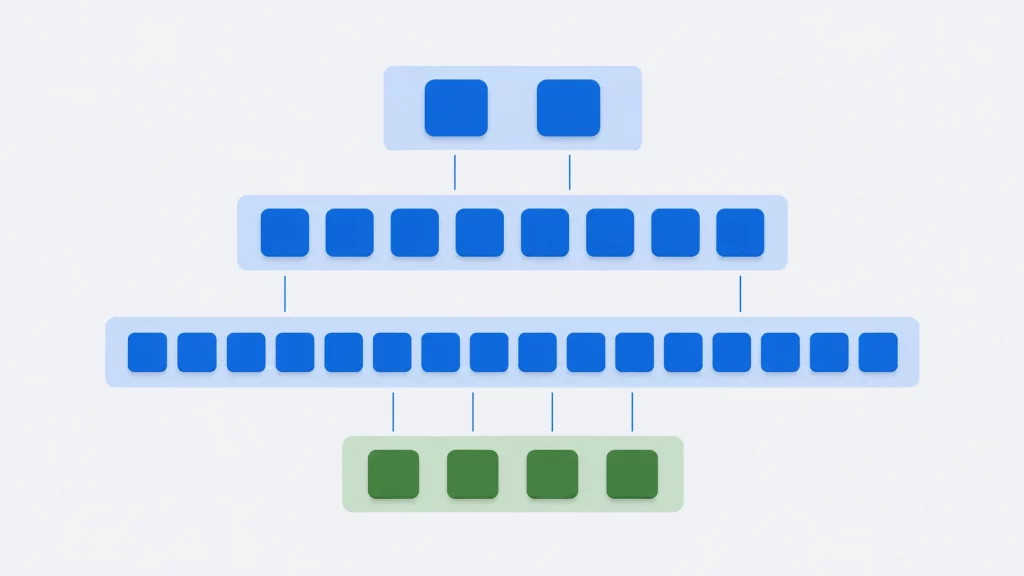
Six conversion functions are really two algorithms. A tested base converter for every base from 2 to 36, and what the old menu program got wrong.

Four lines, one line of output, and more going on underneath than any tutorial admits. A tested walkthrough from source file to running binary.
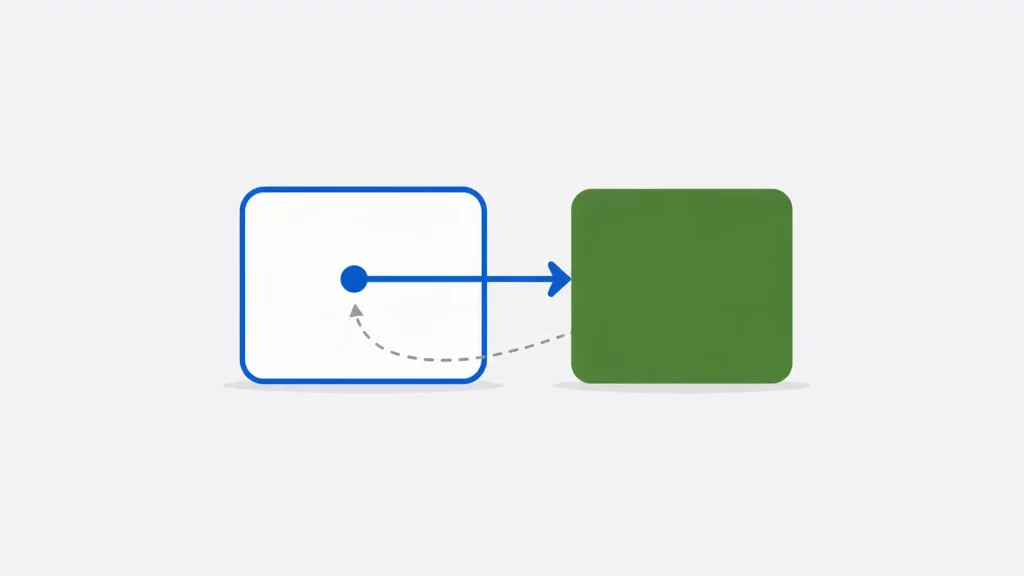
A unique_ptr is 8 bytes — exactly the same as a raw pointer. Pointers from declaration to ownership, with every claim compiled and measured.
scanf(“%s”) wrote 31 bytes into an 8-byte buffer. A guide to C I/O that shows the unsafe patterns failing rather than just naming them.
One virtual function grew a class from 4 bytes to 16. Three kept it at 16. What vtables cost, measured, plus the destructor rule nobody mentions.

C++17 was ratified in 2017, not proposed. The features that changed everyday C++, each compiled and run, plus the one that can make code slower.