

Multiple Inheritance in C++: Interfaces, Name Clashes, the Diamond Problem and Virtual Bases
What changes when a C++ class has two bases: offsets, ambiguous names, a duplicated base in the diamond, and who constructs a virtual base class.
What changes when a C++ class has two bases: offsets, ambiguous names, a duplicated base in the diamond, and who constructs a virtual base class.

How C++ inheritance works and where it fails quietly: default private bases, hidden overloads, a missing virtual destructor, and arrays of derived types.

This C++ program is capable of turning a text file describing the notes of a piece of music into an
The goal of these columns is to explore object-orientation through practical object-oriented programming. This time, we look at C++, but in the future we will explore other areas of object-orientation. Learning an object-oriented language-a whole new way of programming-will pave the way for many exciting topics down the road.
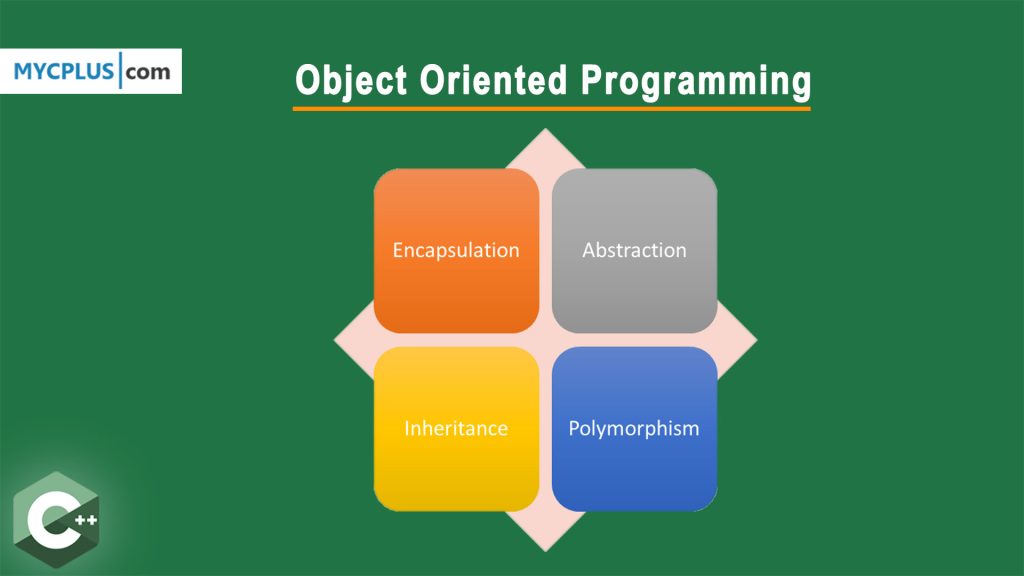
The principle of inheritance is available with several modern programming languages and is handled slightly differently with each. C++ allows you to inherit all or part of the members and methods of a class, modify some, and add new ones not available in the parent class. You have complete flexibility, and as usual, the method used with C++ has been selected to result in the most efficient code execution.
Every application begins with a namespace in C# .NET that has the same name as the project. Of course, you can change the namespace to anything you like in order to maintain compatibility with other projects. For example we declared namespace Mycplus.CSharpBasics while taking an Overview of C#. We can write the whole application with in one namespace or we can declare multiple namespaces as needed in our project. The general syntax of declaring a namespace is

Why q = p1 copies an object in C++ but shares it in Java and Python, how equality differs from identity, and how each language ends an object’s life.

One Temperature class written in C++, Java and Python, what a class stores once versus per object, and why a Python list in a class body was shared.

Encapsulation in C++ with tested code: invariants, access specifiers, getter pitfalls, safe resource ownership, and how Python’s approach compares.
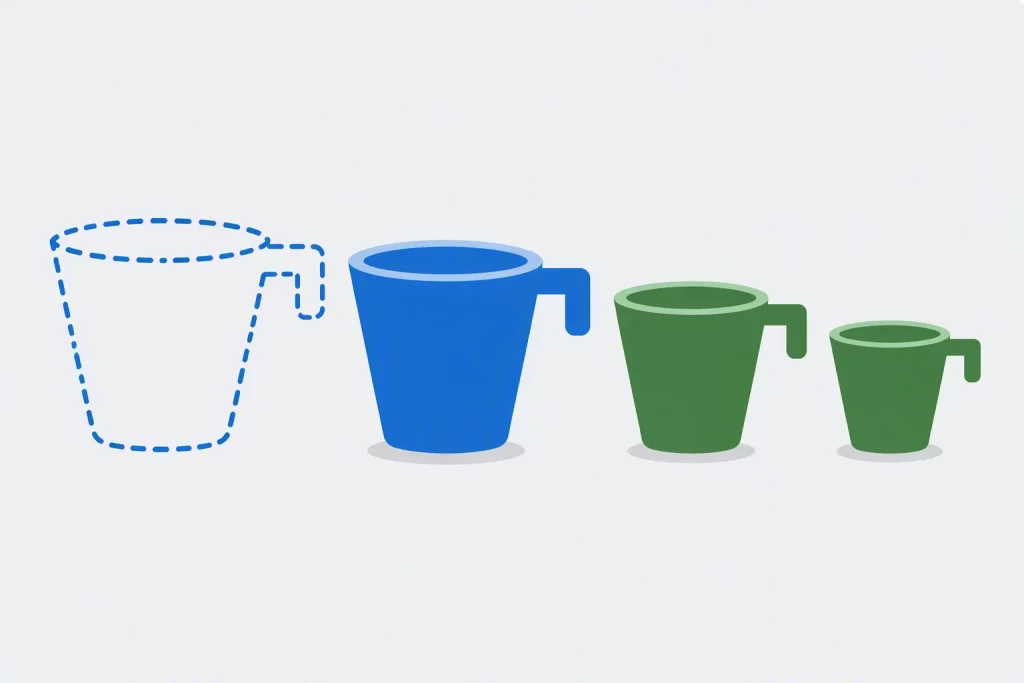
How C++ does OOP differently from Java and Python, with one program that uses all four pillars and the slicing and override mistakes that still compile.
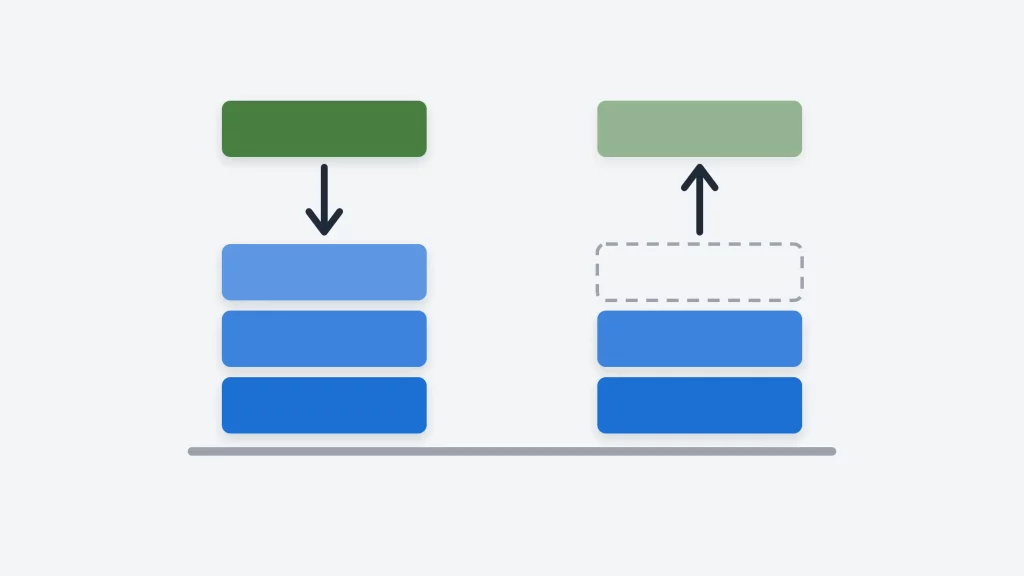
Constructors and destructors in C++ with tested code: initialization order, explicit, = default and = delete, the rule of zero, and virtual destructors.

C++ classes group data with the functions that operate on it. Learn constructors, access specifiers, RAII and more — every example compiled and tested.