
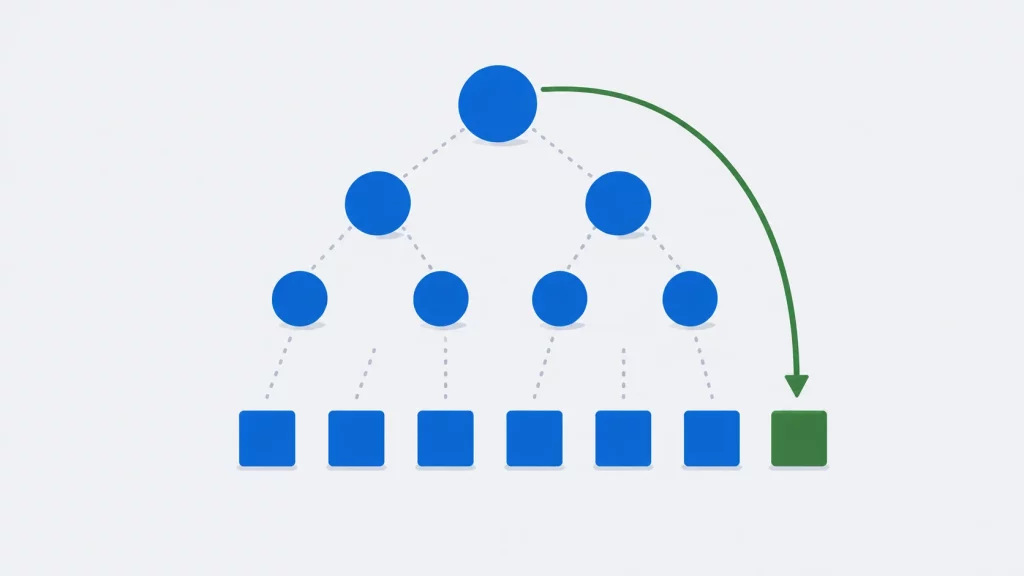
Heap Sort in C, C++, Java, Python and C#: Heaps, Sift-Down and Real Costs
Heap sort is O(n log n) in place on every input. How the heap lives in an array, code in five languages, and what the guarantee costs against quicksort.
Heap sort is O(n log n) in place on every input. How the heap lives in an array, code in five languages, and what the guarantee costs against quicksort.

Merge sort is stable and O(n log n) on every input. Code in five languages, measured comparisons and allocations, and four mistakes that compile.

Selection sort always makes n(n − 1)/2 comparisons and at most n − 1 swaps. Code in five languages, measured counts, and three mistakes that sort.

Insertion sort moves one element per out-of-order pair. A traced example, code in five languages, and measurements that show what that costs.

Data structures are essential for efficient programming, enabling optimal data storage, retrieval, and management. This article explores key data structures in C++, including arrays, linked lists, stacks, queues, hash tables, trees, and graphs. Each structure is explained with practical examples, highlighting its use cases and efficiency considerations. Choosing the right data structure improves performance, reduces memory usage, and enhances scalability. Understanding their strengths and limitations helps programmers write optimized and effective code.

0/1 knapsack in C and C++: the DP recurrence, item recovery, why greedy and an upward loop give wrong answers, and the fractional variant, all tested.

The difference between malloc and calloc in C, with measured costs, realloc and free, four heap bugs caught by sanitizers, and C++ new and delete.
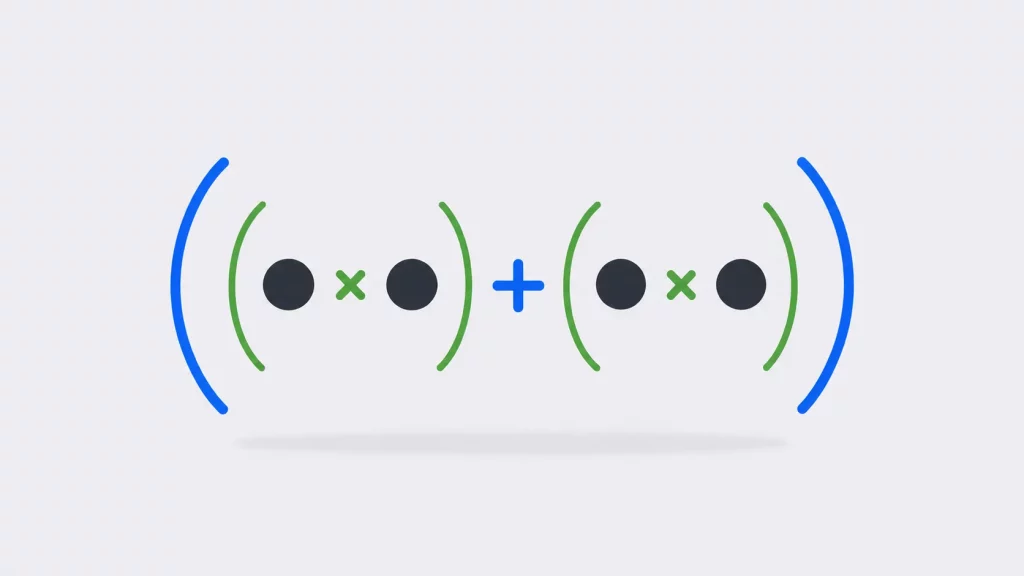
Arithmetic to bitwise, with the complete precedence table and the conversion rules that quietly change your operands before the operation runs.

The same four members reordered went from 24 bytes to 16. A guide to struct syntax, what the compiler does with your layout, and why memcmp lies.
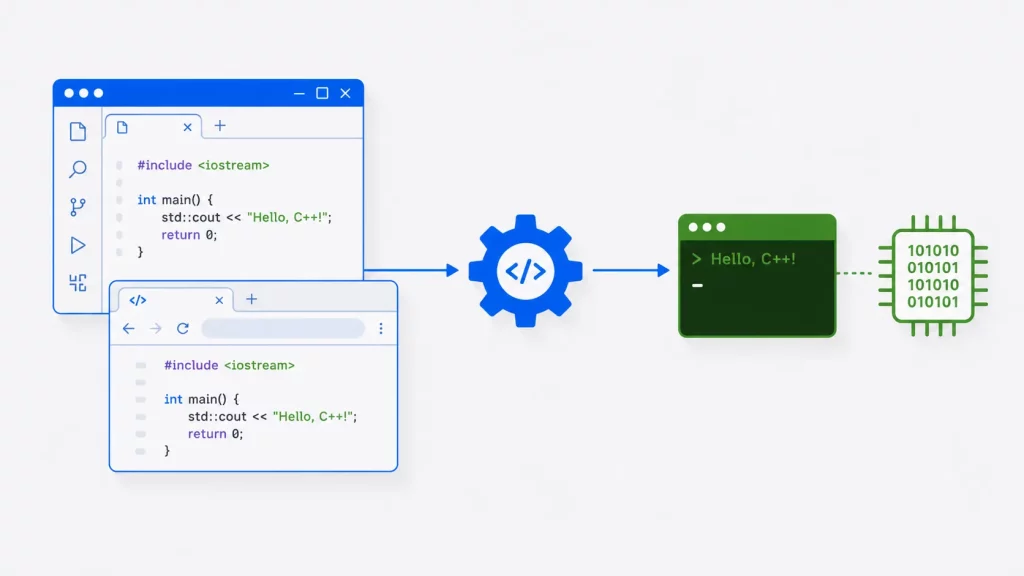
Choosing a C++ compiler shapes your whole workflow. Here’s how GCC, Clang, MSVC, Intel and the best online compilers compare in 2026 — with clear picks for beginners and pros.
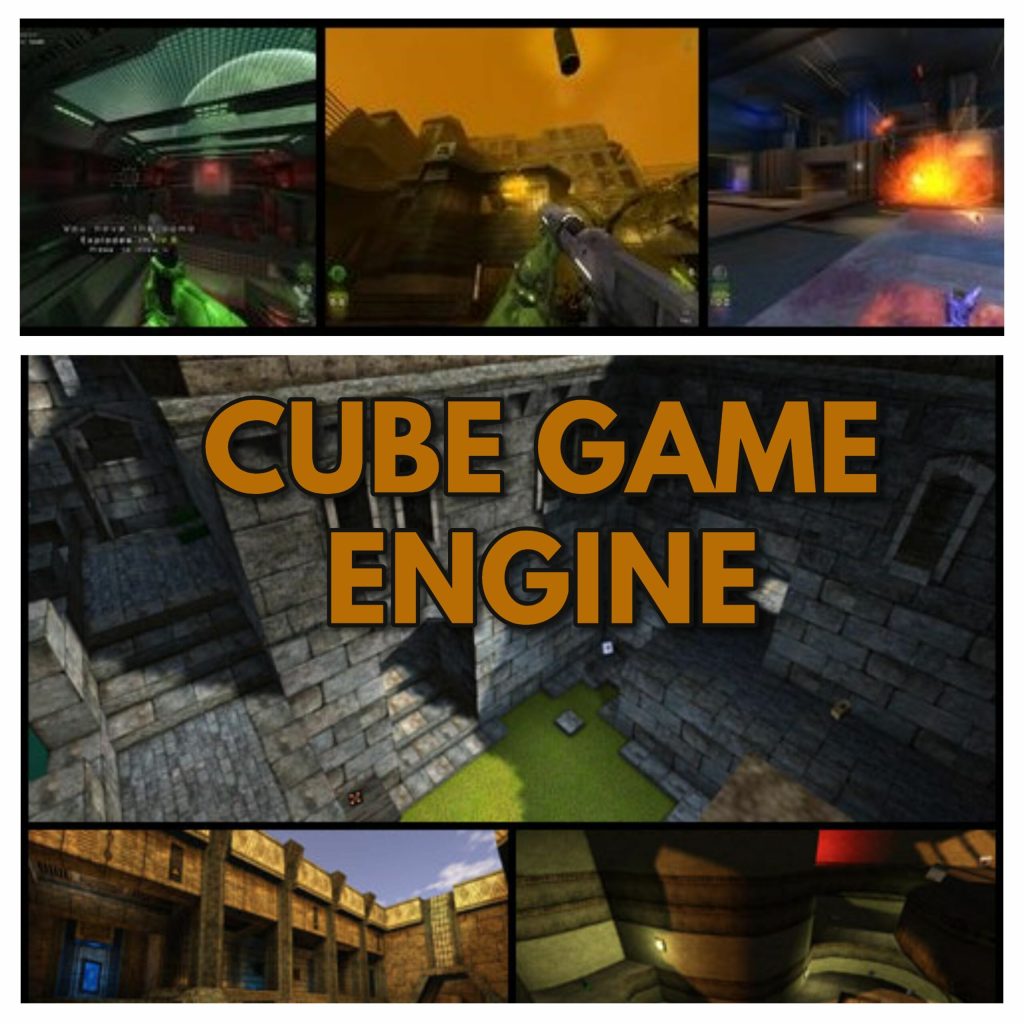
The Cube is an open-source landscape-style engine created using OpenGL and C++ that acts as an indoor FPS game engine which allows for in-game editing of geometry in a full 3D mode, which means that you may fly around the map and point or drag objects to pick or alter them while playing simultaneously with others in multiplayer.
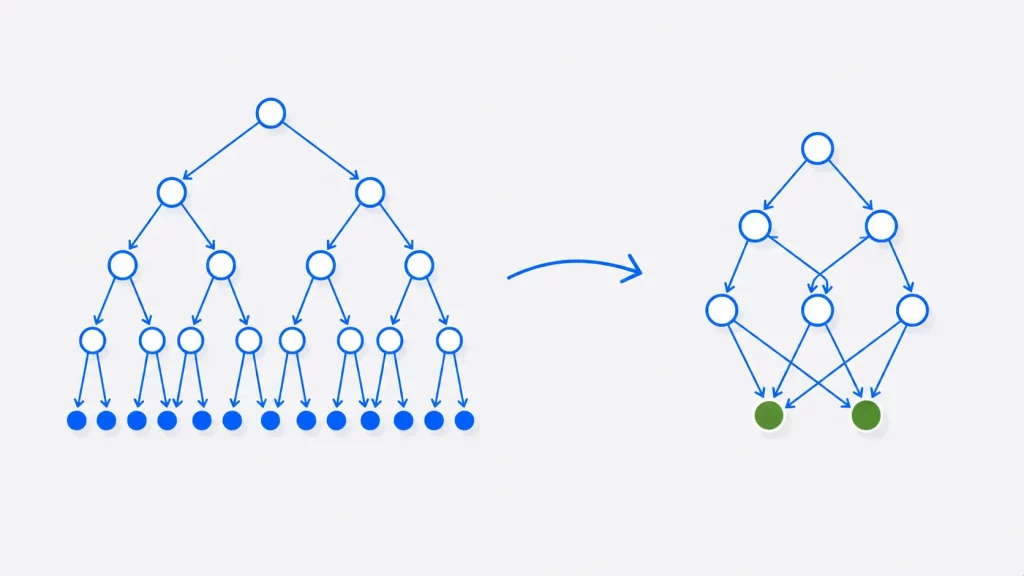
Binary Decision Diagrams compress Boolean functions into compact graphs used in verification and circuit design. This guide covers reduction rules, ROBDDs, a C example, and applications.