

Agile Best Practices for High-Performing Software Teams (What the Evidence Says)
Not “integrate frequently” but three or fewer branches, merged daily, no code freezes. The practices with evidence behind them, and their limits.

Agile transformed the software industry by replacing rigid, plan-heavy development processes with something far more practical — short delivery cycles, continuous feedback, working software over documentation, and teams that adapt quickly when requirements change. Today Agile is not just a methodology — it is the default way professional software teams work, and understanding it is essential for anyone building or contributing to modern software projects.
MYCPLUS is building a dedicated Agile resource covering the practices, frameworks and techniques that make Agile work in real development teams. This section covers the core Agile frameworks — Scrum for structured iterative delivery, Kanban for continuous flow and work-in-progress management, and the underlying Agile principles that make both effective. You will find practical guides to sprint planning, user story writing, backlog management and the team ceremonies that keep Agile projects moving forward.
Whether you are a developer trying to understand the Agile process your team uses, a project manager adopting Scrum for the first time, or a student learning what modern software development actually looks like in professional environments — this section gives you the honest, practical Agile guidance that textbooks rarely provide.
Agile practices work best alongside strong DevOps workflows — together they form the backbone of how modern software teams build and ship software reliably. Browse all Software Development guides for the complete professional development picture.
Building on 18 years of trusted software development resources — MYCPLUS is expanding its Agile section with practical guides covering Scrum, Kanban, sprint planning and the real-world Agile practices that modern development teams rely on to deliver working software consistently.
Not “integrate frequently” but three or fewer branches, merged daily, no code freezes. The practices with evidence behind them, and their limits.
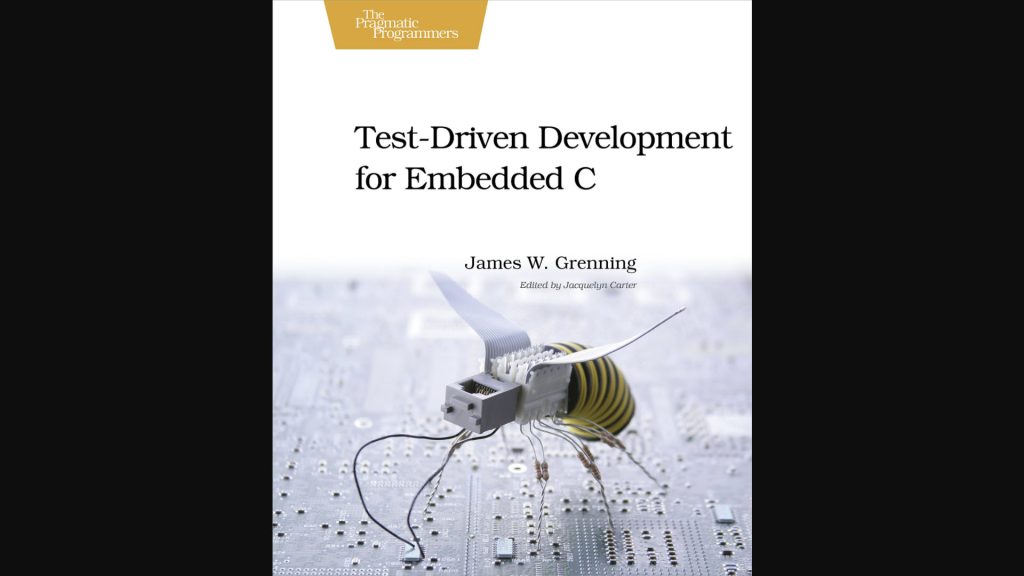
TDD is a modern programming practice C developers need to know. It’s a different way to program—unit tests are written in a tight feedback loop with the production code, assuring your code does what you think. You get valuable feedback every few minutes. You find mistakes before they become bugs. You get early warning of design problems. You get immediate notification of side effect defects. You get to spend more time adding valuable features to your product.
How Google Tests Software offers a rare glimpse into Google’s testing methodologies, blending theory with practical insights. This review explores its key features, strengths, weaknesses, and target audience, making it a valuable resource for anyone in software development.