
Vigenère Cipher in C++: How It Works, and How to Break It
Three centuries as the indecipherable cipher, and 1.6 milliseconds to break. Working C++ for both directions, plus the attack that recovers the key.
C++ is one of the most powerful and widely used programming languages in the world. Built on the foundation of C, it adds object-oriented programming, generic programming through templates, and the rich Standard Template Library — making it the language of choice for game development, systems programming, high-frequency trading, real-time applications, and performance-critical software.
MYCPLUS has been one of the web’s longest-running C++ programming resources, publishing tutorials, source code examples and practical guides since 2004. This section covers everything from the absolute basics of C++ syntax through to modern C++ features introduced in C++11, C++14, C++17 and beyond. You will find clear explanations of classes, inheritance, polymorphism and encapsulation, practical STL container and algorithm examples, and real-world source code that demonstrates how C++ is used in professional software development.
Whether you are a student learning C++ for the first time, a C programmer making the transition to object-oriented development, or an experienced developer exploring modern C++ features like smart pointers, move semantics and lambda expressions — this section has the resources you need to level up your C++ skills.
Why MYCPLUS: One of the web’s longest-running C++ resources — trusted since 2004 with hundreds of tutorials, examples and source code projects built for real learning.
Three centuries as the indecipherable cipher, and 1.6 milliseconds to break. Working C++ for both directions, plus the attack that recovers the key.

Four lines, one line of output, and more going on underneath than any tutorial admits. A tested walkthrough from source file to running binary.
Two keywords, one difference that matters — and it is the one short explanations skip. Tested examples, captured errors, and when to use each.
Archived on 1 June 2026, read-only, 797 issues frozen. It still compiles clean on GCC and fails outright on current MSVC. Here is what to do about it.
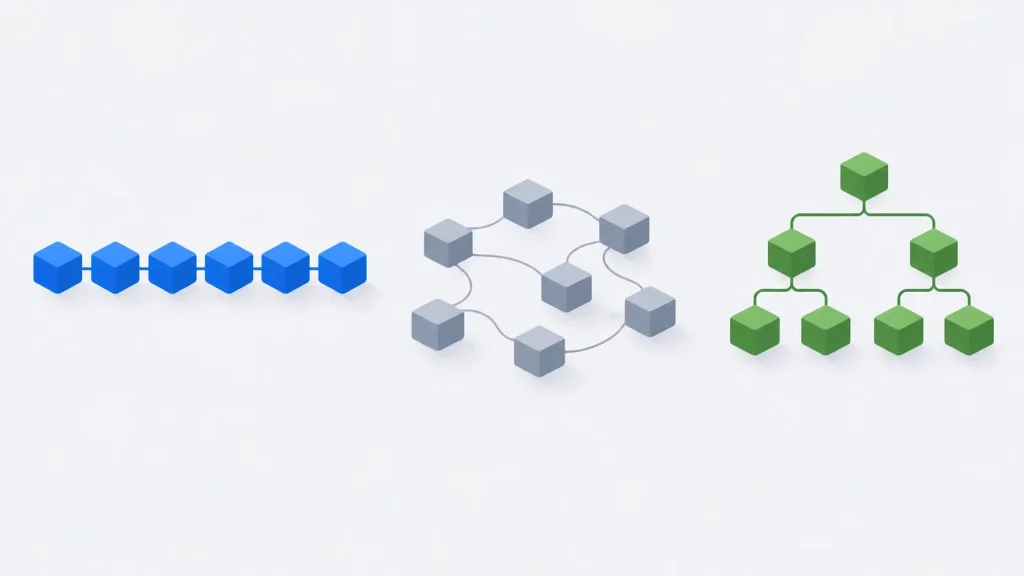
The complexity table says list wins. Measured, vector was 30 times faster with the same search. A selection guide for the C++ container library.
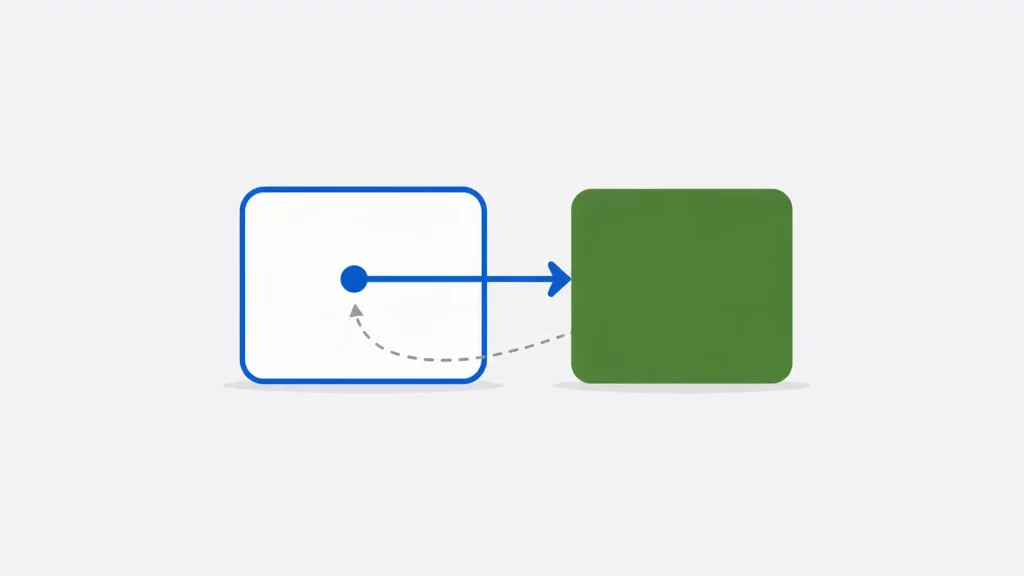
A unique_ptr is 8 bytes — exactly the same as a raw pointer. Pointers from declaration to ownership, with every claim compiled and measured.
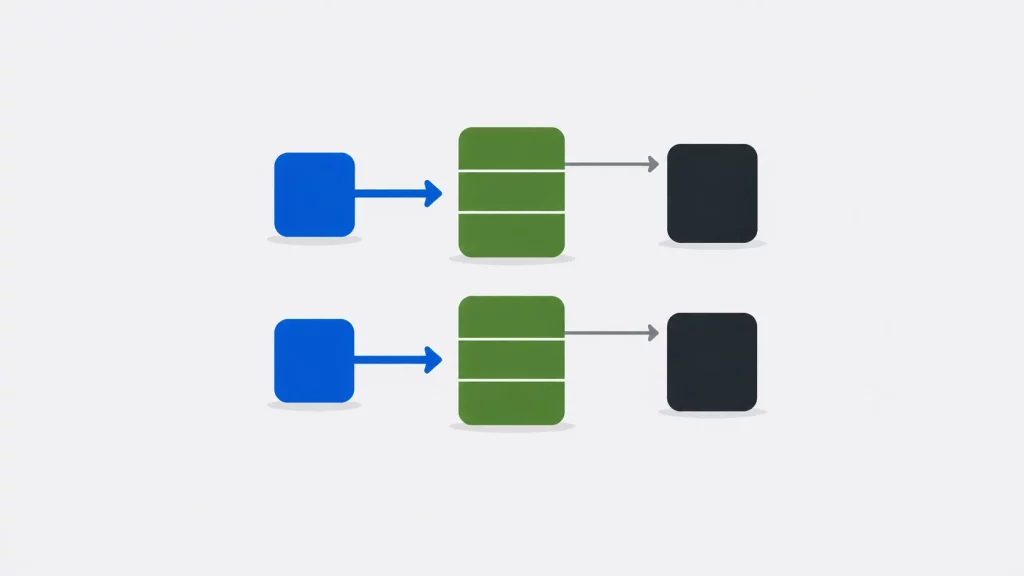
One virtual function grew a class from 4 bytes to 16. Three kept it at 16. What vtables cost, measured, plus the destructor rule nobody mentions.
C++17 was ratified in 2017, not proposed. The features that changed everyday C++, each compiled and run, plus the one that can make code slower.
Forget WSAStartup and every call fails with 10093. A modern Winsock2 tutorial: dual-stack TCP, RAII, and the six real Windows differences.
ONNX Runtime from Python beat LibTorch from C++. Four runtimes measured, and what the C++ advantage in ML inference actually consists of.

One definition, three functions in the binary. A measured guide to templates, from deduction through concepts and the errors they produce.
Fifty places to find C and C++ source code, grouped by purpose: language reference, real production projects, curated libraries, and graded practice.