
Abstraction in Object-Oriented Programming: Abstract Classes and Interfaces in C++, Java and Python
How abstract classes, interfaces and Python protocols separate what code does from how, with a testable clock example in C++, Java and Python.
How abstract classes, interfaces and Python protocols separate what code does from how, with a testable clock example in C++, Java and Python.

One base class and two subclasses written in C++, Java and Python, the five types of inheritance, and why a subclass counted six tags when three were added.

What changes when a C++ class has two bases: offsets, ambiguous names, a duplicated base in the diamond, and who constructs a virtual base class.

How C++ inheritance works and where it fails quietly: default private bases, hidden overloads, a missing virtual destructor, and arrays of derived types.
One virtual function grew a class from 4 bytes to 16. Three kept it at 16. What vtables cost, measured, plus the destructor rule nobody mentions.
The principle of inheritance is available with several modern programming languages and is handled slightly differently with each. C++ allows you to inherit all or part of the members and methods of a class, modify some, and add new ones not available in the parent class. You have complete flexibility, and as usual, the method used with C++ has been selected to result in the most efficient code execution.
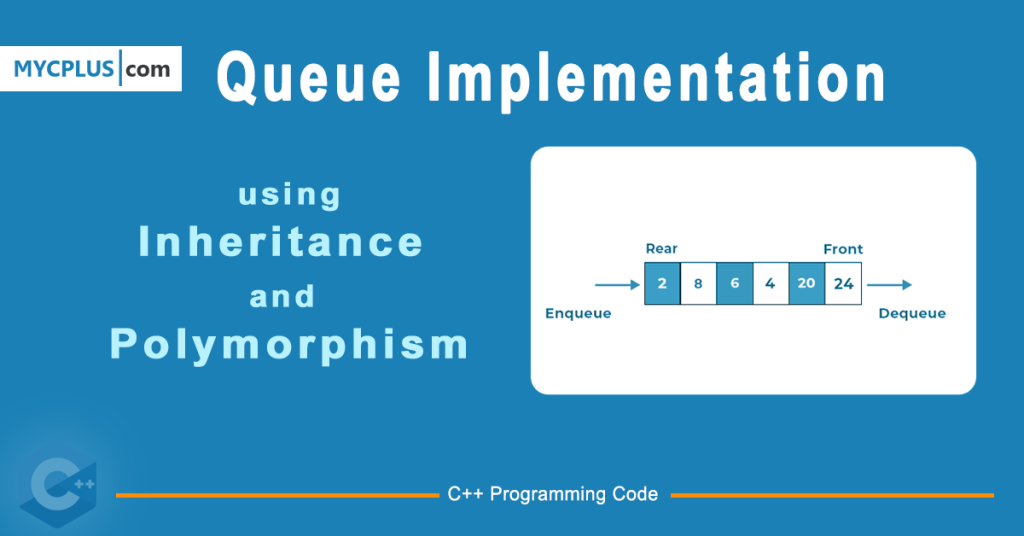
Following is the source code of simple queue implementation with the help of Inheritance and Polymorphism i.e. Late Binding.

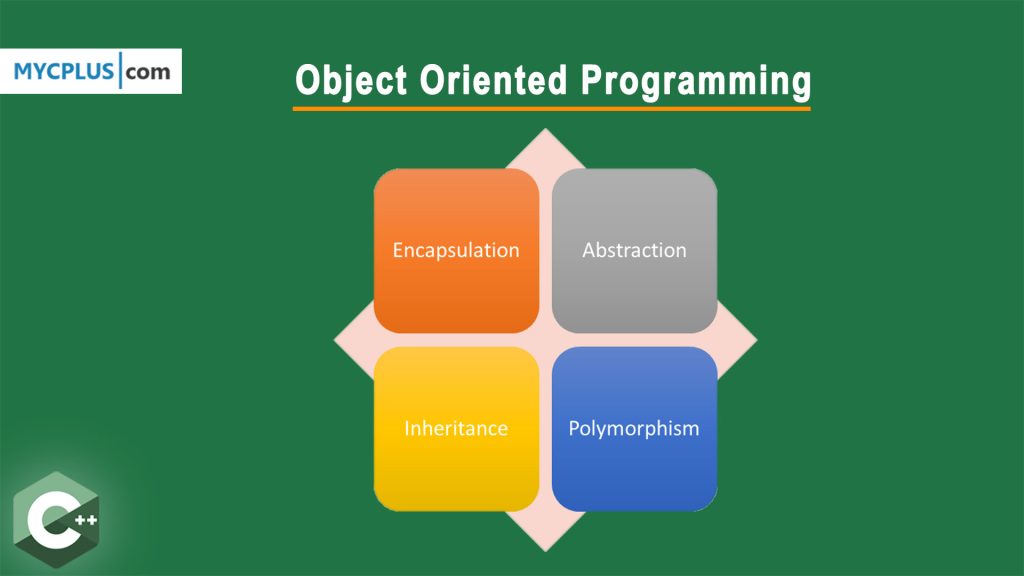
How OOP differs from procedural code, what its four pillars mean, and the techniques that keep object-oriented code easy to change, in three languages.