
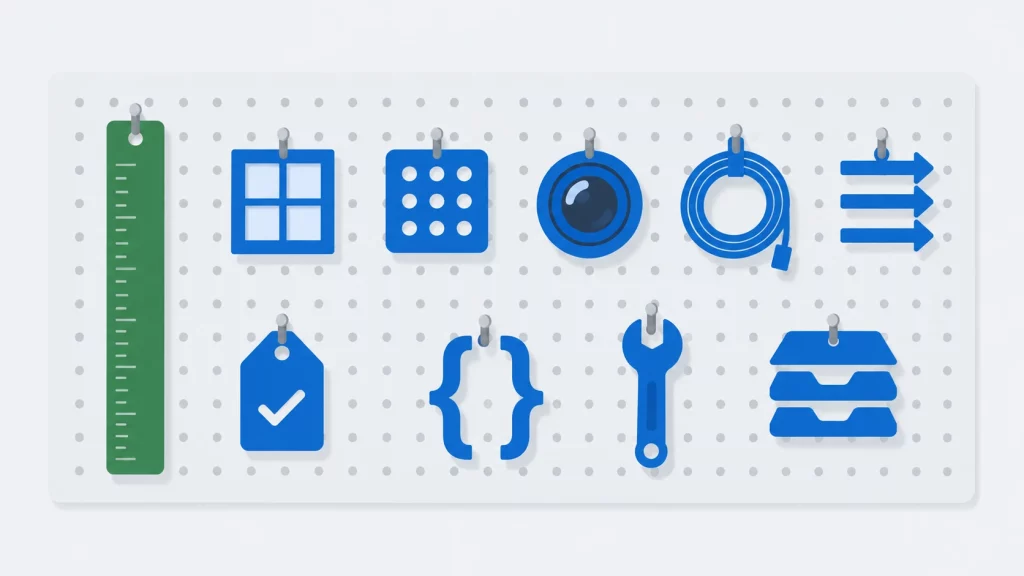
10 C++ Libraries Every Student Should Know, With a Tested Example of Each
The standard library, Boost, Qt, Eigen, libcurl, oneTBB, OpenCV, Catch2, POCO and {fmt}: one tested program each, and what each costs to build.
The standard library, Boost, Qt, Eigen, libcurl, oneTBB, OpenCV, Catch2, POCO and {fmt}: one tested program each, and what each costs to build.

Wouter van Oortmerssen’s Cube engine let players edit maps live. Here’s how Cube, Cube 2: Sauerbraten and the Tesseract fork differ, and which games still run on them.

Cocos2d isn’t one engine but a family — the Python original, the famous C++ Cocos2d-x (now deprecated), and the rewritten Cocos Creator that replaced it. Here’s the untangled version history, the genuinely Cocos-built games (Geometry Dash yes, FarmVille no), current 2026 status, and how it stacks up against Unity and Godot for 2D.
GarageGames stopped selling Torque years ago — and the engine is still shipping commits. Here’s who maintains it now, which repository to clone, what it actually descends from, and how it compares to Godot and Unreal.
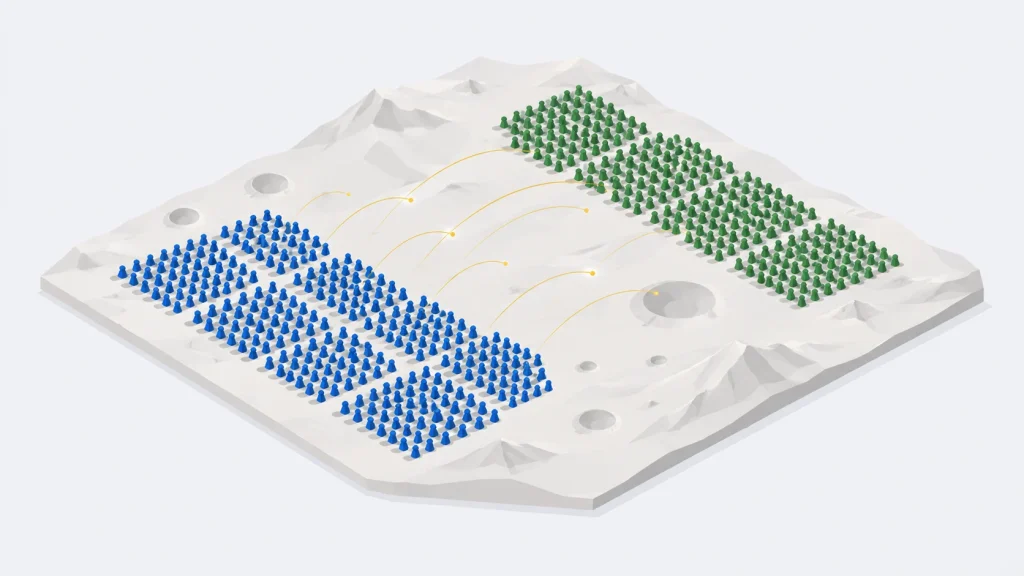
Spring began as a 3D Total Annihilation remake and grew into an RTS engine. Here’s how it works, the games built on it, and why Recoil is where development lives now.

qfusion no longer means one repository — it means three, and they have diverged. Here’s the upstream, Warsow’s fork and Warfork’s, when each was last touched, and which one to build from.
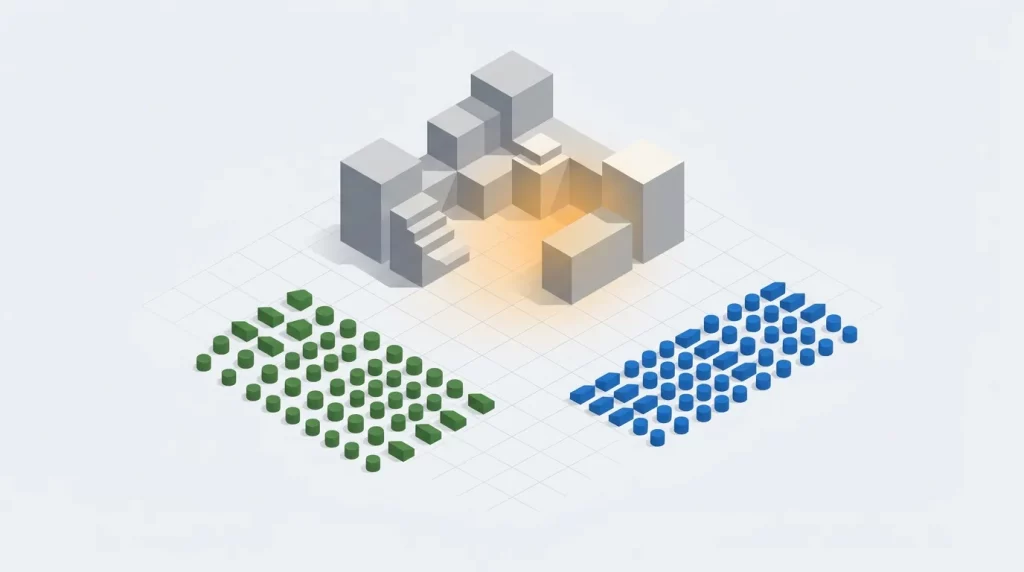
Wildfire Games’ Pyrogenesis engine powers 0 A.D. Here’s how its C++ core and JavaScript game logic work, what Release 28 changed in 2026, and where it runs.

The engine behind Toontown Online is still free, BSD-licensed and maintained. Here’s how Panda3D’s C++ core and Python layer work, with a tested example and the games built on it.
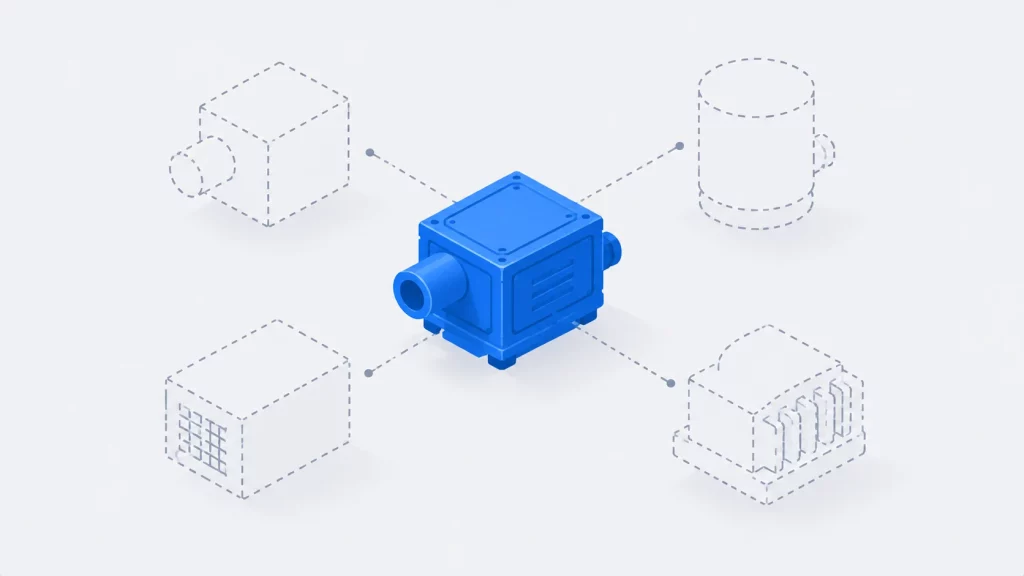
OGRE draws things. Physics, audio and gameplay are your problem — which is exactly why it shows up inside other people’s engines and in robotics. Here’s the OGRE 1.x versus OGRE-Next split, and which to pick.

Moai gave indie studios a C++ core with Lua on top, and powered several notable games before development stopped. Here’s the verified status — including the date of the last commit — and the Lua engines to move to.
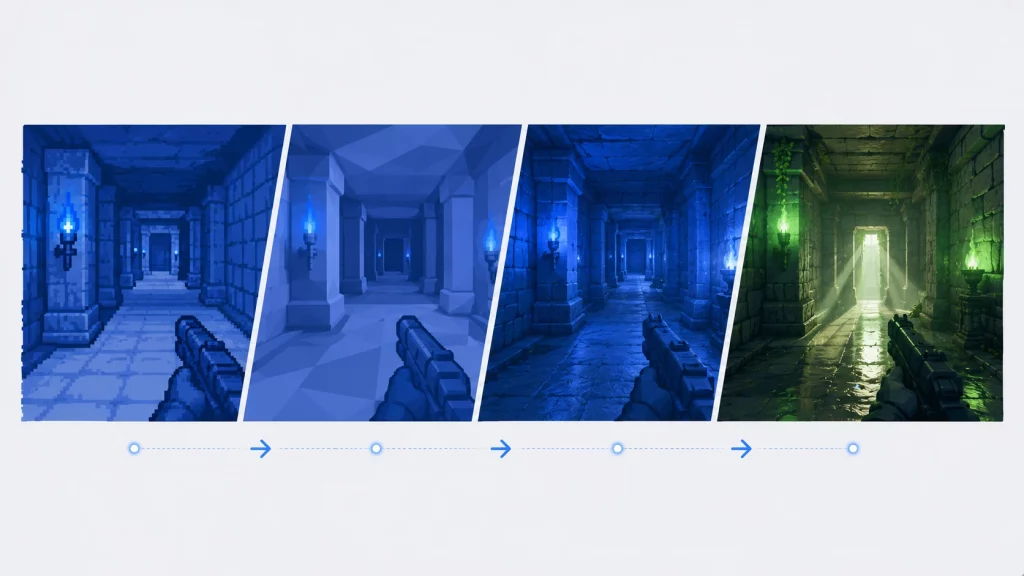
id Tech built the FPS genre: Doom, Quake, and thirty years of Carmack-grade engineering, now at id Tech 8. Every version, every game, all in one place.
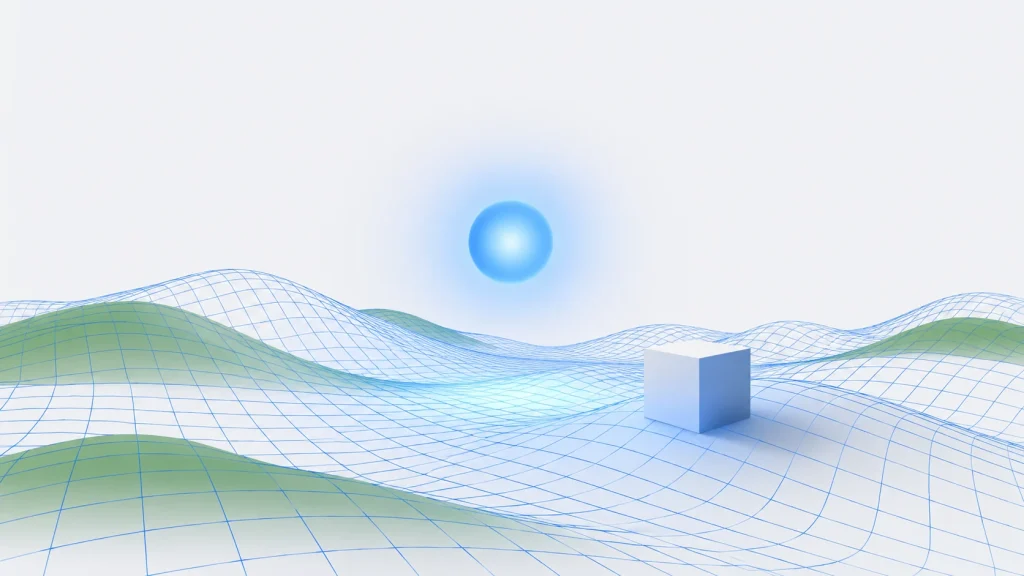
Irrlicht is a small, open-source C++ 3D engine that still runs inside Luanti and SuperTuxKart. Here’s what it includes, a working example, and whether to use it in 2026.