
C++ Program to simulate Cache Coherence mechanism Graphically
This C++ program simulates the cache coherence problem graphically. In computer architecture, cache coherence is the uniformity of shared resource […]
C++ is one of the most powerful and widely used programming languages in the world. Built on the foundation of C, it adds object-oriented programming, generic programming through templates, and the rich Standard Template Library — making it the language of choice for game development, systems programming, high-frequency trading, real-time applications, and performance-critical software.
MYCPLUS has been one of the web’s longest-running C++ programming resources, publishing tutorials, source code examples and practical guides since 2004. This section covers everything from the absolute basics of C++ syntax through to modern C++ features introduced in C++11, C++14, C++17 and beyond. You will find clear explanations of classes, inheritance, polymorphism and encapsulation, practical STL container and algorithm examples, and real-world source code that demonstrates how C++ is used in professional software development.
Whether you are a student learning C++ for the first time, a C programmer making the transition to object-oriented development, or an experienced developer exploring modern C++ features like smart pointers, move semantics and lambda expressions — this section has the resources you need to level up your C++ skills.
Why MYCPLUS: One of the web’s longest-running C++ resources — trusted since 2004 with hundreds of tutorials, examples and source code projects built for real learning.
This C++ program simulates the cache coherence problem graphically. In computer architecture, cache coherence is the uniformity of shared resource […]
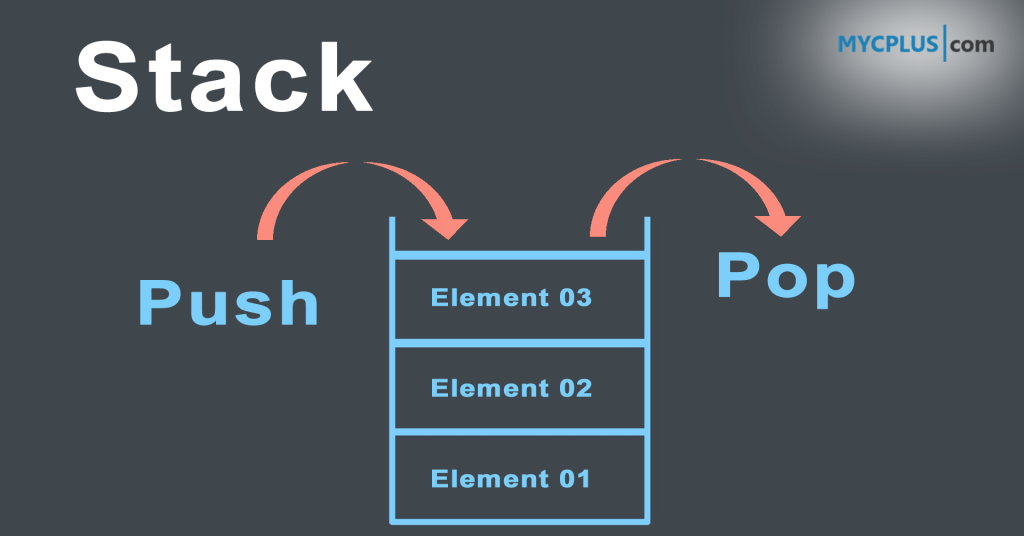
In this post we are going to write C++ program to implement stack data structure using Templates in C++. Stack
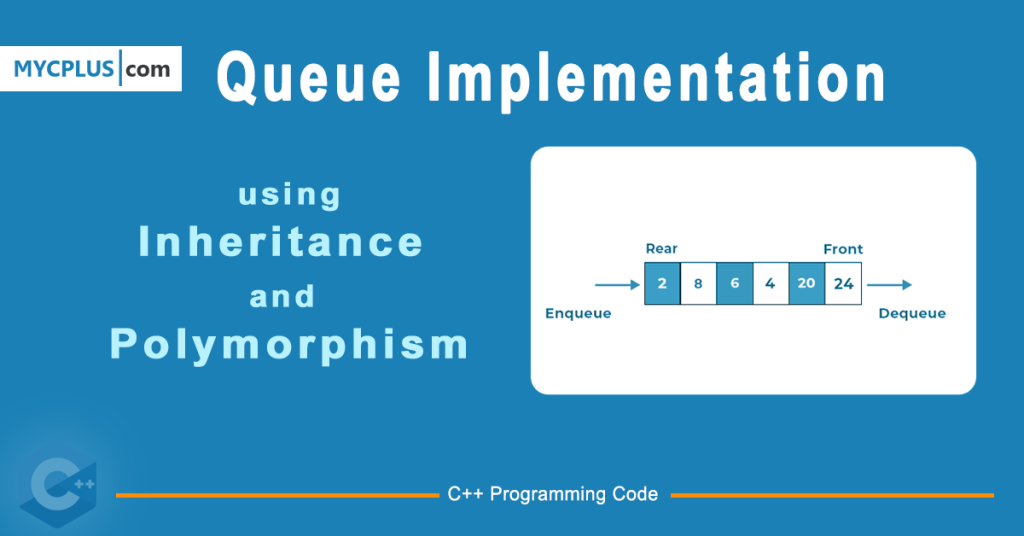
Following is the source code of simple queue implementation with the help of Inheritance and Polymorphism i.e. Late Binding.

Container classes are the solution to a specific kind of code reuse problem. They are building blocks used to create
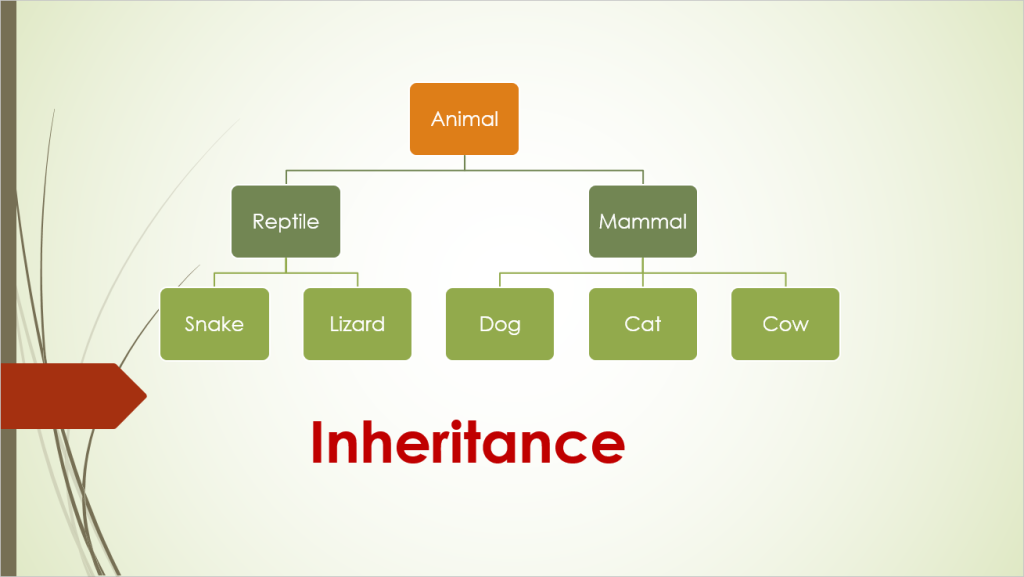
This is a simple C++ Program to demonstrate Inheritance. Simpler methods in the classes have been changed to inline code to shorten the file considerably. In a practical programming situation, methods that are this short should be programmed inline since the actual code to return a simple value is shorter than the code required to send a message to a non-inline method.
Common Text Transformation Library, CTTL for short, is a set of C++ classes and functions to understand and modify text
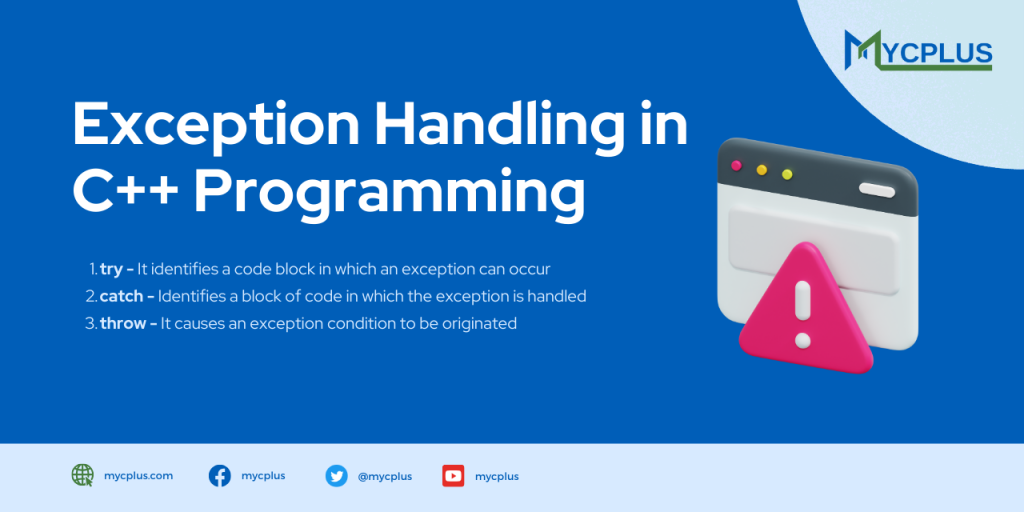
Exceptions are the way of flagging unexpected conditions or errors that have occurred in C++ program. C++ Language provides a good mechanism to tackle these conditions. The exception mechanism uses three keywords: try, catch and throw.
Algorithms are are at the core of computing. One intriguing approach is Genetic Algorithms (GAs), which draw inspiration from natural selection and genetics. These algorithms excel at solving optimization and search problems by mimicking evolutionary processes. When it comes to putting these ideas into code, C++ stands out as a powerful and versatile language.
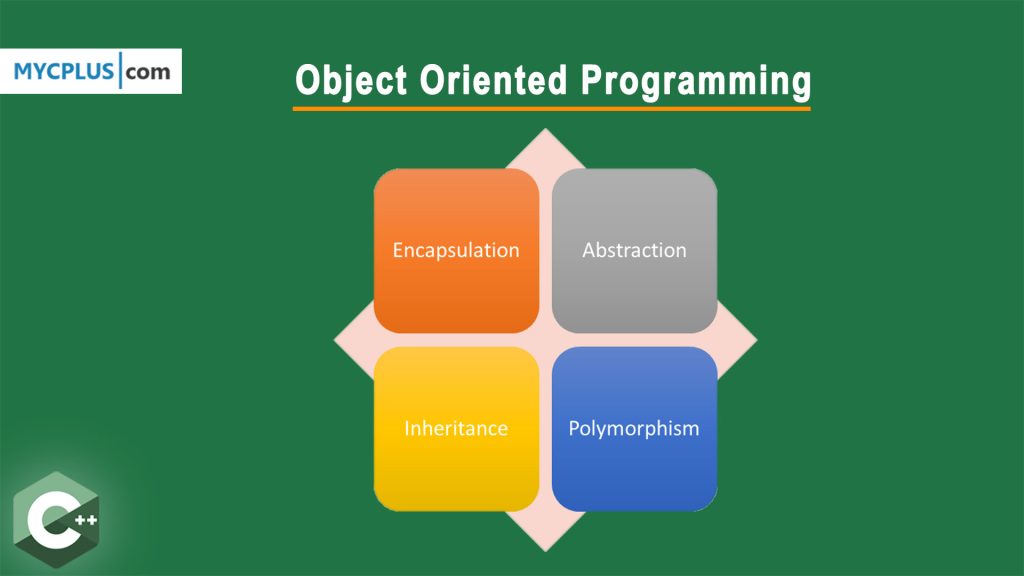
Object- Oriented Programming (OOP) is an approach to program organization and development that attempts to eliminate some of the pitfalls of conventional programming methods by in incorporating the best of structured programming features with several powerful new concepts.

A constructor is a special method that is created when the object is created or defined. This particular method holds the same name as that of the object and it initializes the instance of the object whenever that object is created. The constructor also usually holds the initialization of the different declared member variables of its object.
As opposed to a constructor, a destructor is called when a program has finished using an instance of an object.

Everyone knows that memory management is a difficult and dangerous chore in C++. This series of three articles will show you that the conventional wisdom is not true. When approached correctly, C++’s seemingly archaic memory-management scheme actually provides an opportunity to create spectacular programs – programs that would not be possible with more modern languages that handle memory automatically.