
Abstraction in Object-Oriented Programming: Abstract Classes and Interfaces in C++, Java and Python
How abstract classes, interfaces and Python protocols separate what code does from how, with a testable clock example in C++, Java and Python.
How abstract classes, interfaces and Python protocols separate what code does from how, with a testable clock example in C++, Java and Python.

How private state and checking methods keep an object valid, why a getter can leak it, and how Python gets encapsulation from properties and convention.

One base class and two subclasses written in C++, Java and Python, the five types of inheritance, and why a subclass counted six tags when three were added.

What changes when a C++ class has two bases: offsets, ambiguous names, a duplicated base in the diamond, and who constructs a virtual base class.

How C++ inheritance works and where it fails quietly: default private bases, hidden overloads, a missing virtual destructor, and arrays of derived types.
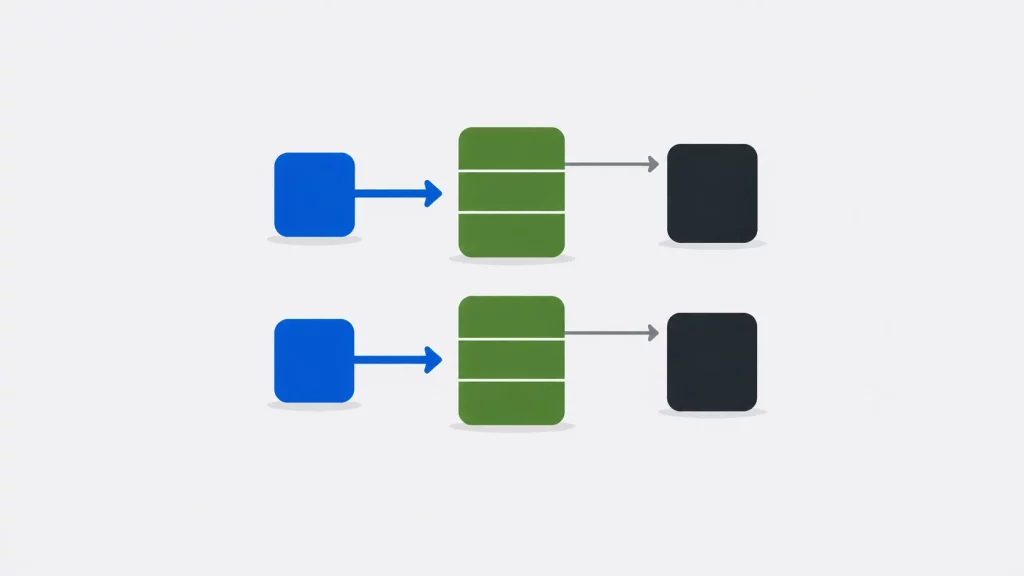
One virtual function grew a class from 4 bytes to 16. Three kept it at 16. What vtables cost, measured, plus the destructor rule nobody mentions.
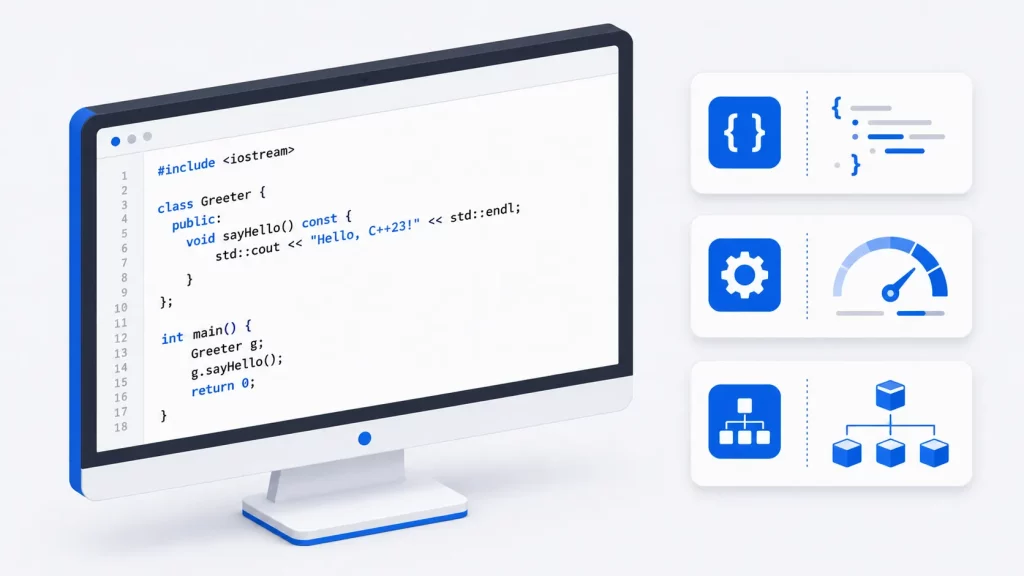
C++ powers the software where speed matters most, from game engines to trading systems. This guide takes you from your first program to modern C++, one concept at a time.

C++ is one of the fastest, most reputable and effective languages in the programming world. In this article, you will learn about the top mistakes people make and how to eliminate them so that your C/C++ homework is bold and clear.
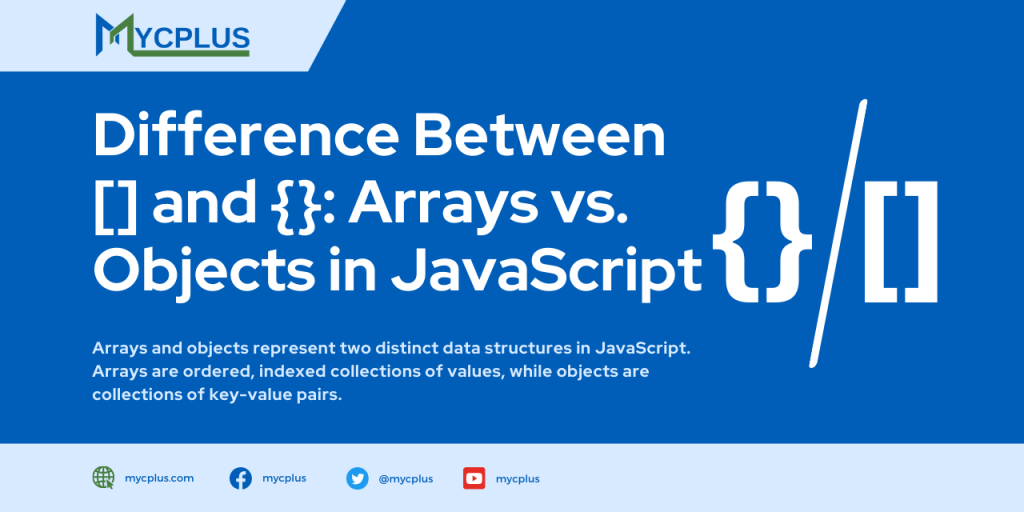
In JavaScript, we use braces {} for creating an empty object and brackets [] for creating an empty array. I find the Developer console in Mozilla Firefox or Google Chrome more convenient to print out any object and study the details.

I have compiled a list of repeatedly asking C++ interview questions here. Some of them are very important C++ questions
The goal of these columns is to explore object-orientation through practical object-oriented programming. This time, we look at C++, but in the future we will explore other areas of object-orientation. Learning an object-oriented language-a whole new way of programming-will pave the way for many exciting topics down the road.
This is a simple C++ Program to demonstrate Function Name Overloading. An example of function name overloading within a C++