
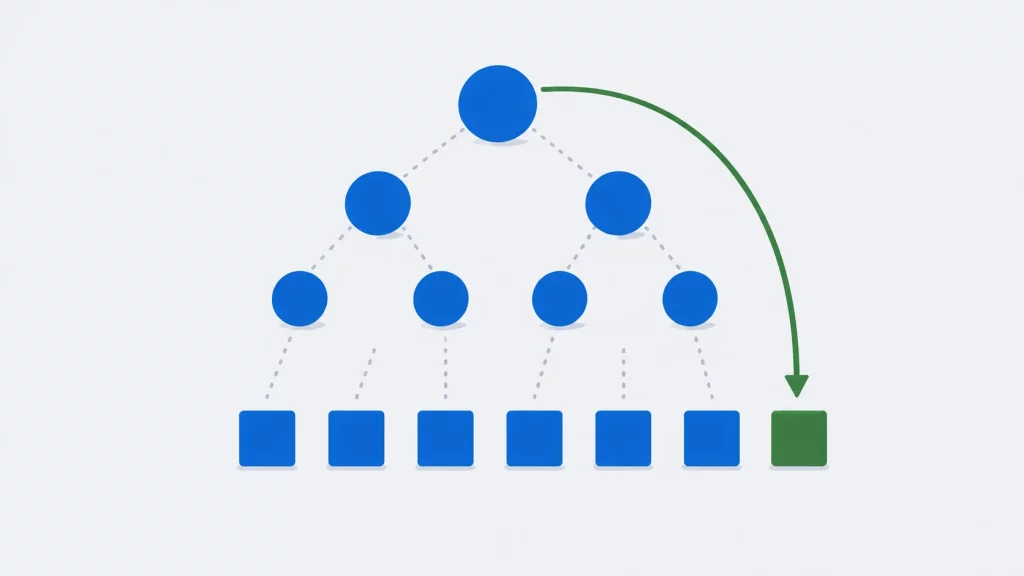
Heap Sort in C, C++, Java, Python and C#: Heaps, Sift-Down and Real Costs
Heap sort is O(n log n) in place on every input. How the heap lives in an array, code in five languages, and what the guarantee costs against quicksort.
Heap sort is O(n log n) in place on every input. How the heap lives in an array, code in five languages, and what the guarantee costs against quicksort.
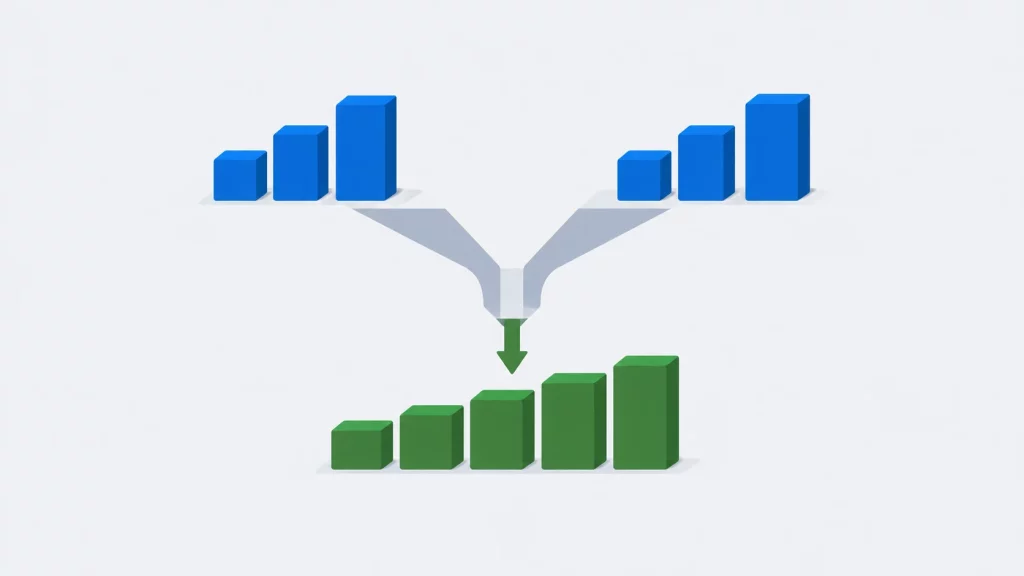
Merge sort is stable and O(n log n) on every input. Code in five languages, measured comparisons and allocations, and four mistakes that compile.

Selection sort always makes n(n − 1)/2 comparisons and at most n − 1 swaps. Code in five languages, measured counts, and three mistakes that sort.
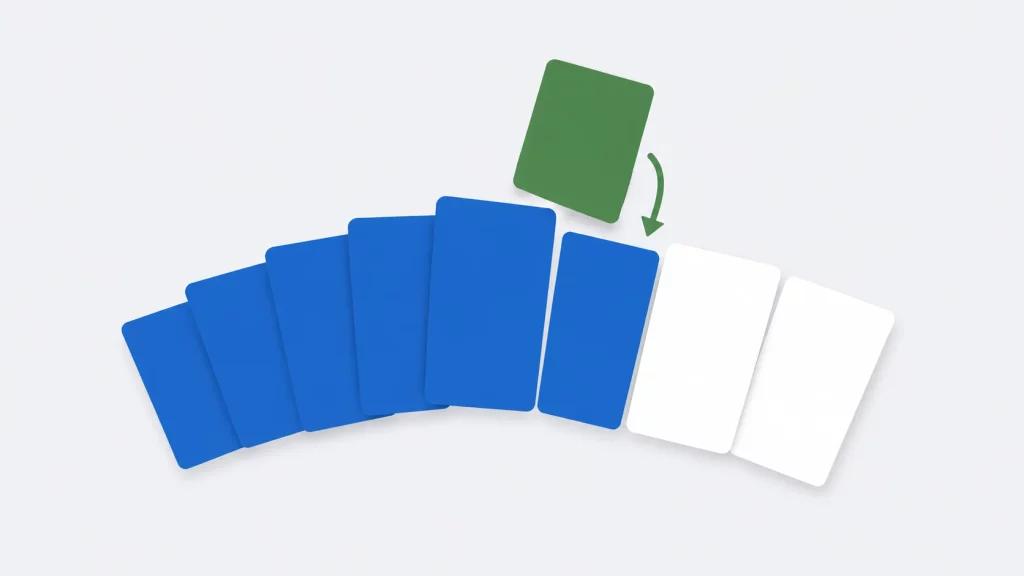
Insertion sort moves one element per out-of-order pair. A traced example, code in five languages, and measurements that show what that costs.
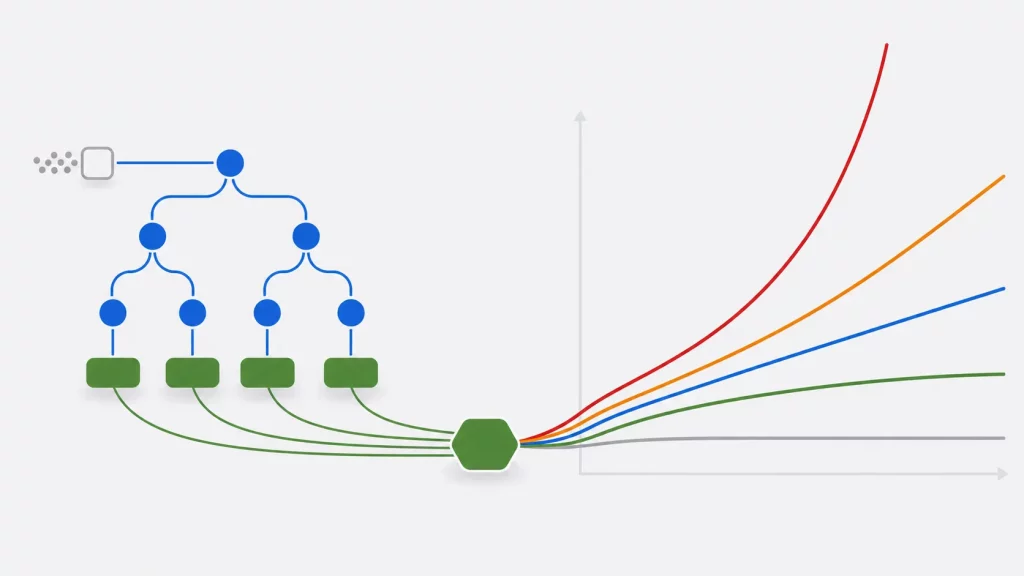
At n = 1,000,000, O(log n) takes 20 steps and O(n squared) takes a trillion. The ten families that matter, with complexity for each.

Data structures are fundamental concepts for any software application and programming in general. It is an incredibly valuable skill set to serve you in your career. That’s why it is a great idea to start learning it in college to have time for practice and in-depth research.
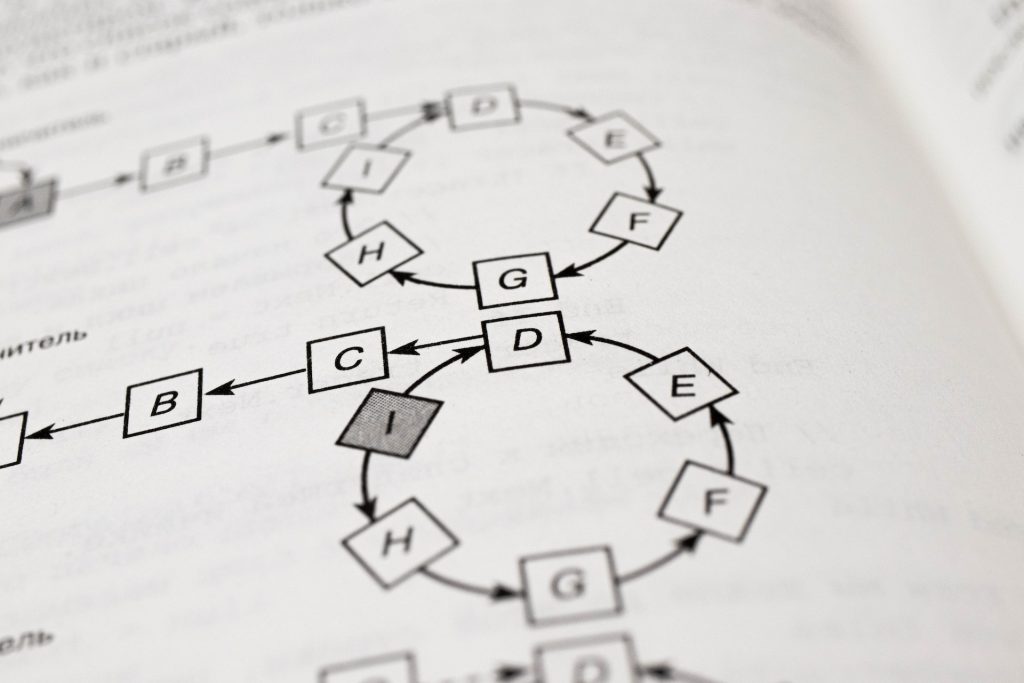
Algorithmic logic is crucial for computer science. It might sound complex for a beginner, but it is manageable upon further inspection. It is based on the daily logic people use whether they look for the best assignment help website or the best flight ticket aggregator. Hopefully, this guide will help you start with mastering algorithms.
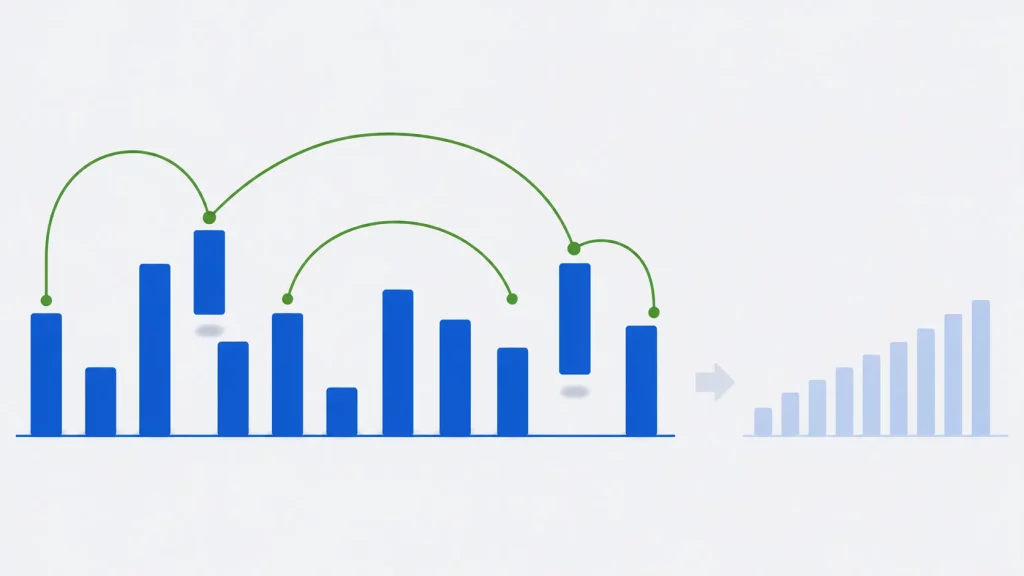
Shell Sort improves insertion sort by sorting far-apart elements first. See how it works, why gap sequences matter, and tested code in five languages.
In a lot of programs my gensort-utility turned out to be very useful. It consists simply of the header file
The big sort routine implements a way to sort huge amounts of data using C programming language. It sorts the data that do not fit into main memory by using a multi-phase sorting on files. It is a implementation from the book “Algorithms and data structures” by Niklaus Wirth. Additionally, this routine recognizes small amounts of data that do fit into memory and resorts to a in-place quicksort.
In this article, we explore different sorting techniques applied to strings in Java. We will look into the implementation of the direct insertion sorting algorithm and more advanced techniques such as the Merge Sort and Quick Sort algorithms. Each approach offers unique advantages by providing Java developers with flexibility in choosing the most suitable method based on the specific requirements of their applications.
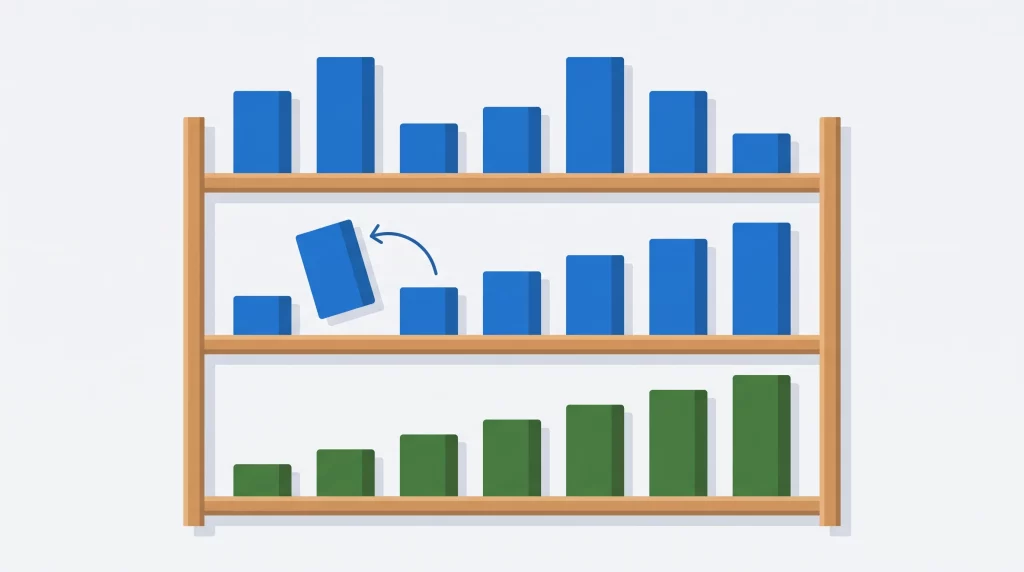
Complexity, stability and measured comparison counts for seven sorting algorithms, plus qsort, std::sort and std::stable_sort on the same data.