
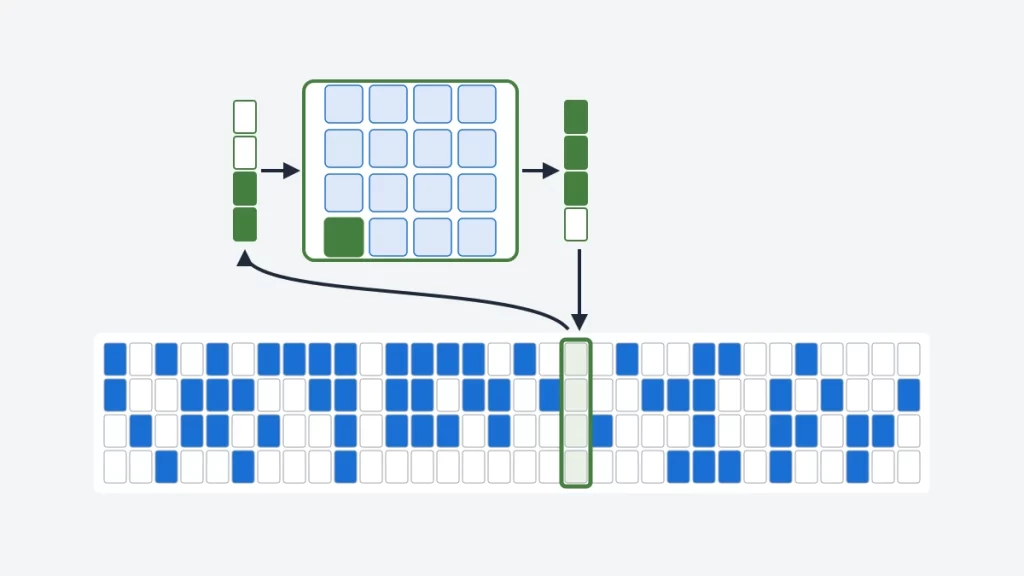
Serpent Cipher Explained: How It Works, With Code in C, C++, Java, Python and C#
The AES finalist with a 32-round safety margin: how Serpent works, why two correct versions disagree, and four mistakes that a round-trip test misses.
The AES finalist with a 32-round safety margin: how Serpent works, why two correct versions disagree, and four mistakes that a round-trip test misses.
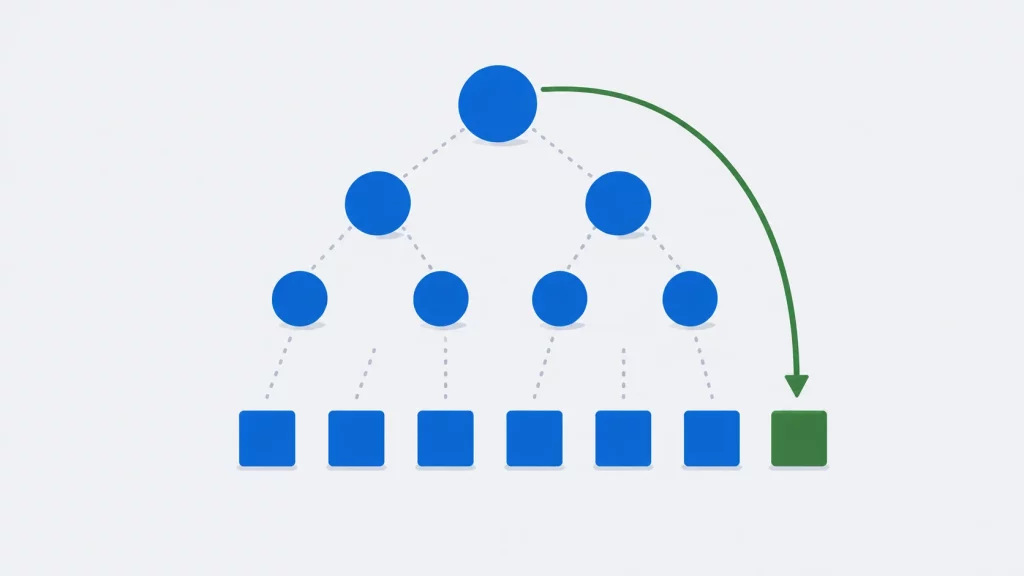
Heap sort is O(n log n) in place on every input. How the heap lives in an array, code in five languages, and what the guarantee costs against quicksort.
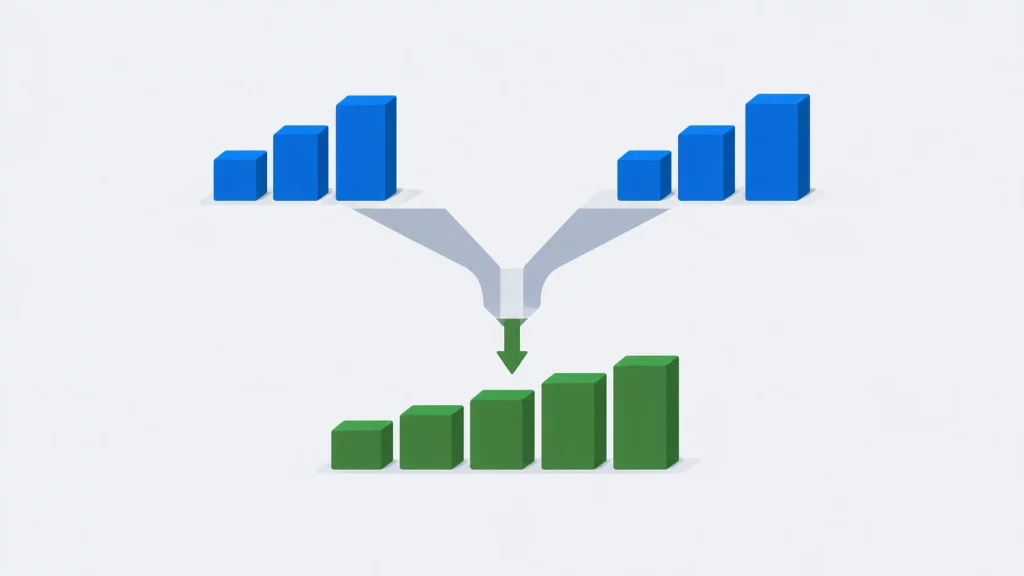
Merge sort is stable and O(n log n) on every input. Code in five languages, measured comparisons and allocations, and four mistakes that compile.

Selection sort always makes n(n − 1)/2 comparisons and at most n − 1 swaps. Code in five languages, measured counts, and three mistakes that sort.
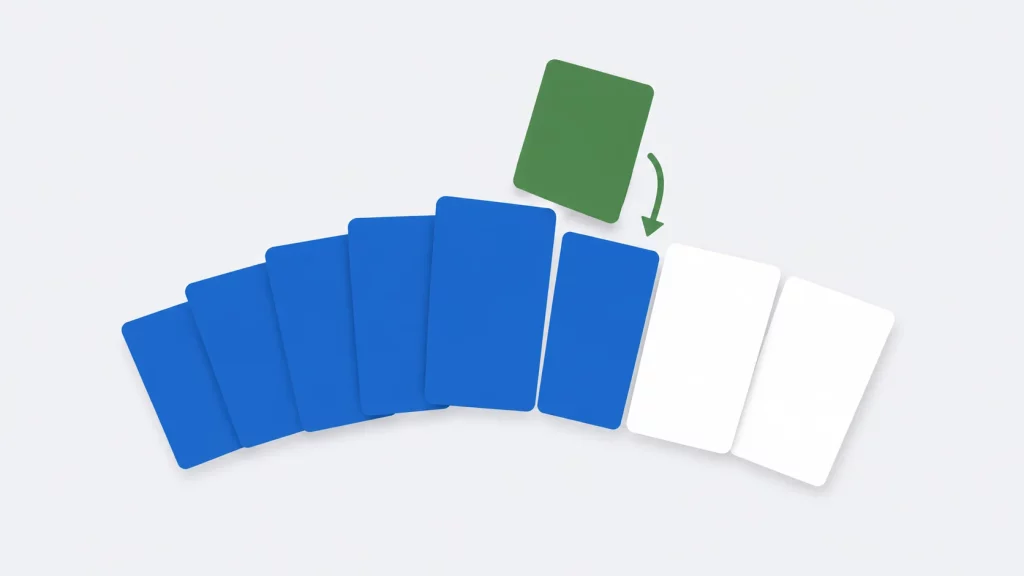
Insertion sort moves one element per out-of-order pair. A traced example, code in five languages, and measurements that show what that costs.
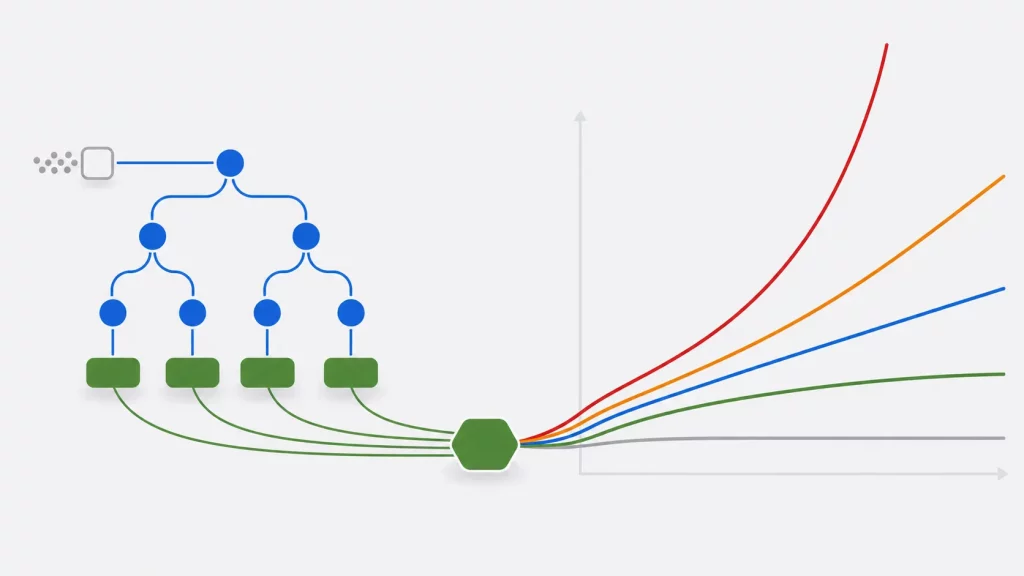
At n = 1,000,000, O(log n) takes 20 steps and O(n squared) takes a trillion. The ten families that matter, with complexity for each.
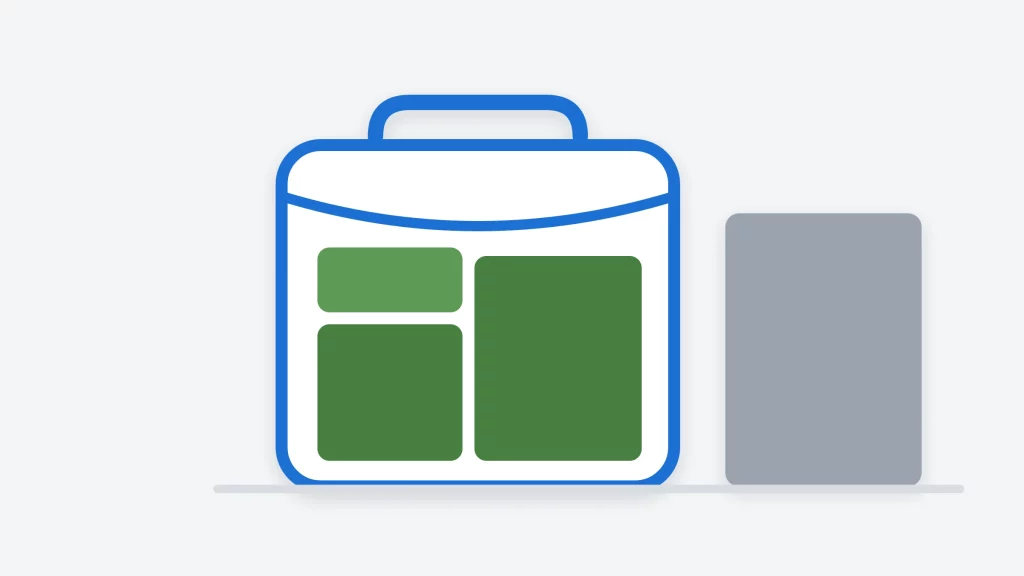
0/1 knapsack in C and C++: the DP recurrence, item recovery, why greedy and an upward loop give wrong answers, and the fractional variant, all tested.
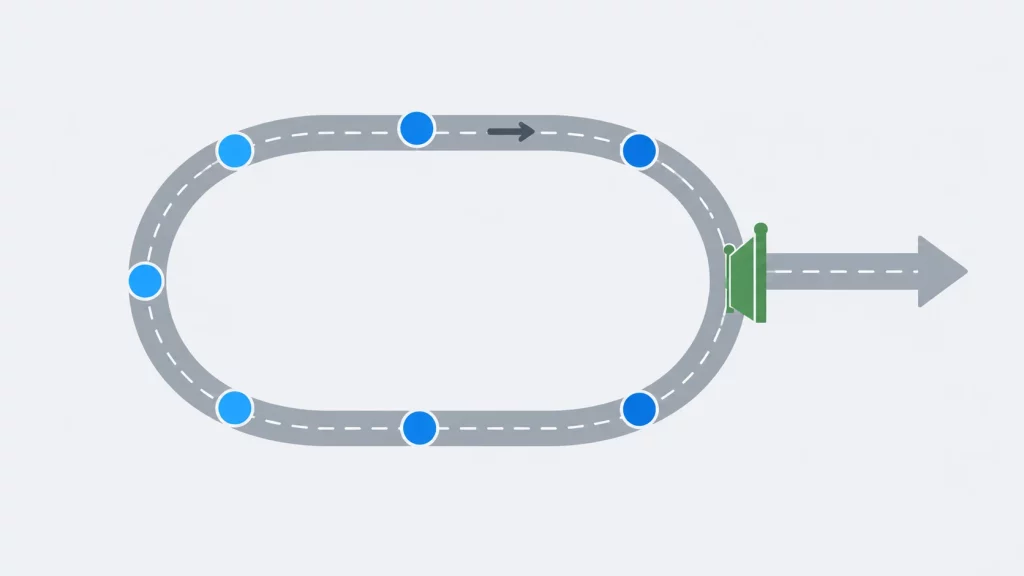
How for, while and do-while loops work in C, when to use each, how to leave nested loops, and the loop bugs compilers do not catch.

Data structures are fundamental concepts for any software application and programming in general. It is an incredibly valuable skill set to serve you in your career. That’s why it is a great idea to start learning it in college to have time for practice and in-depth research.
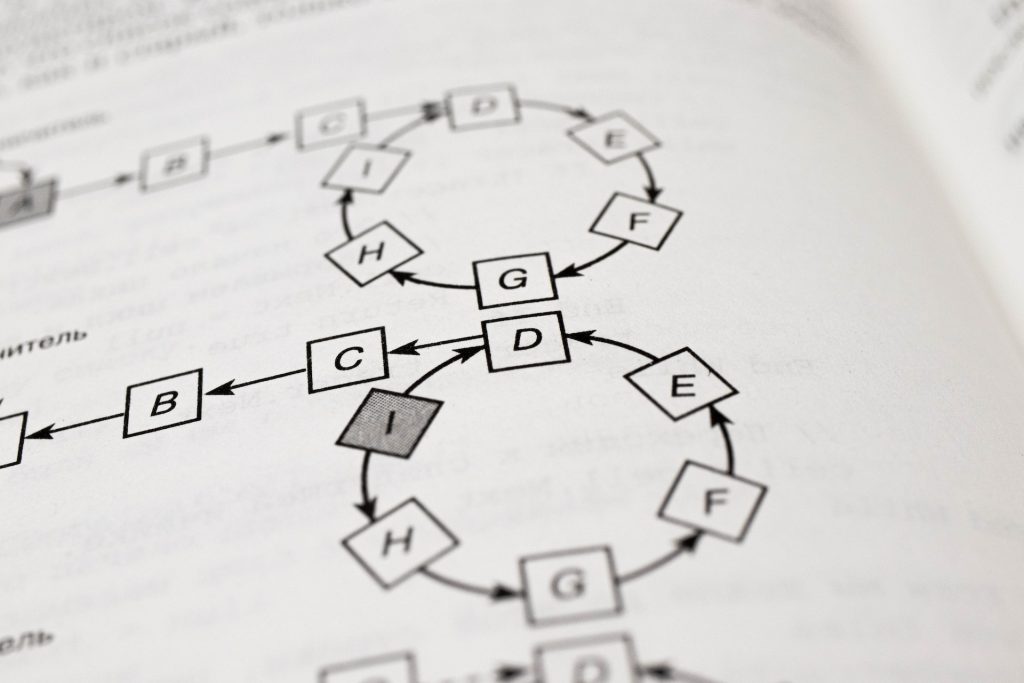
Algorithmic logic is crucial for computer science. It might sound complex for a beginner, but it is manageable upon further inspection. It is based on the daily logic people use whether they look for the best assignment help website or the best flight ticket aggregator. Hopefully, this guide will help you start with mastering algorithms.
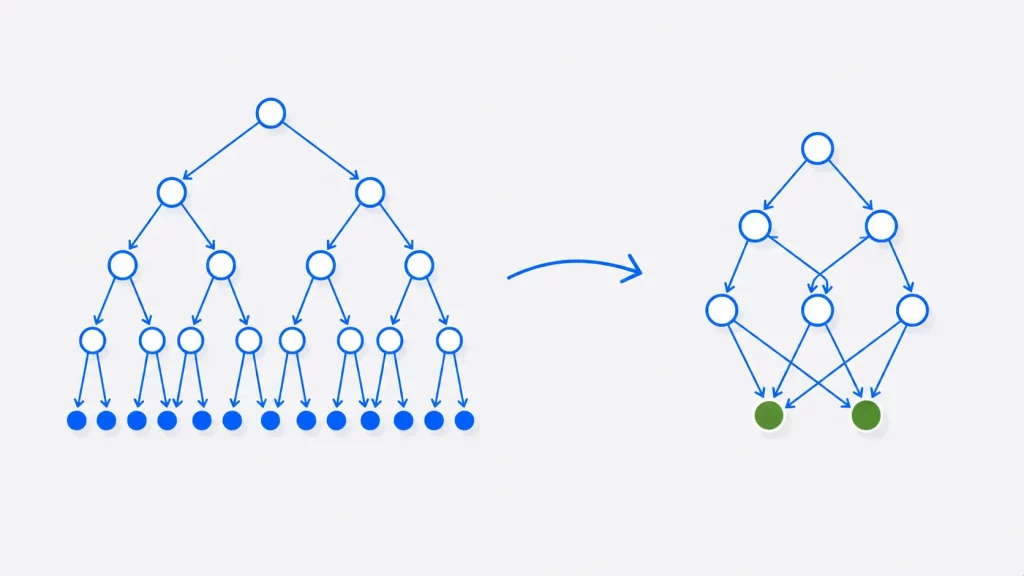
Binary Decision Diagrams compress Boolean functions into compact graphs used in verification and circuit design. This guide covers reduction rules, ROBDDs, a C example, and applications.
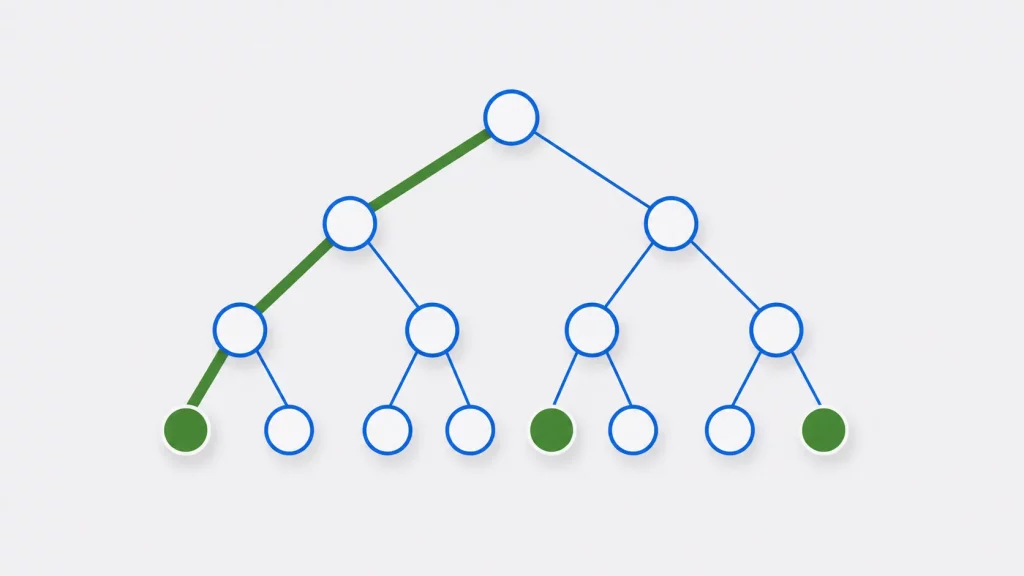
Prefix lookups that scale with the prefix, not the dictionary — and the memory bill that pays for them, measured on 76,226 words.