

Shell Sort Algorithm: C, C++, Java, Python & C# Code
Shell Sort improves insertion sort by sorting far-apart elements first. See how it works, why gap sequences matter, and tested code in five languages.
Shell Sort improves insertion sort by sorting far-apart elements first. See how it works, why gap sequences matter, and tested code in five languages.
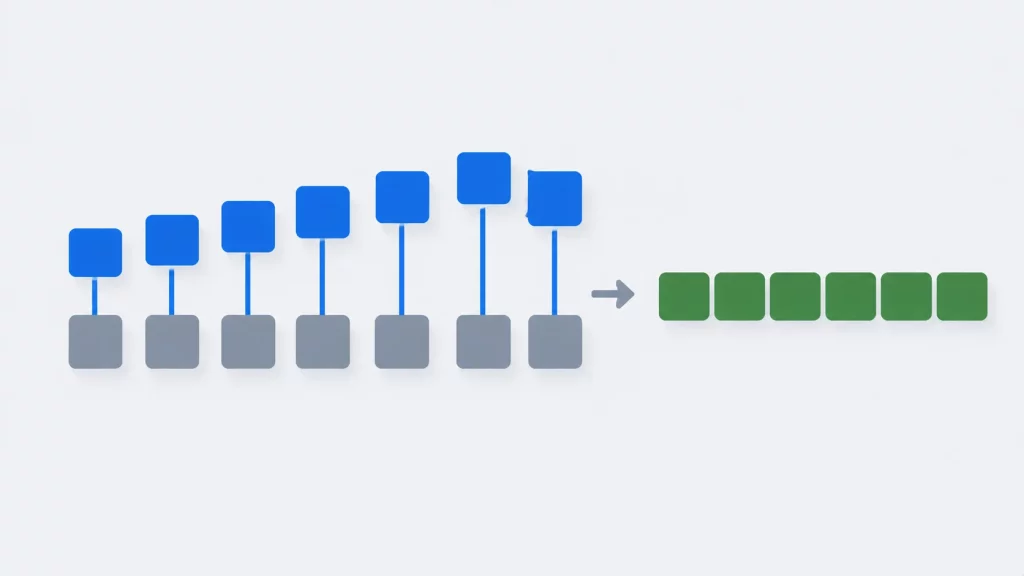
Three centuries as the indecipherable cipher, and 1.6 milliseconds to break. Working C++ for both directions, plus the attack that recovers the key.

The coding interview platform provided by several kinds of organizations is considered to be the best possible way of recruiting people who are the best fit for the organization. At the time of hiring the people for technical jobs, it is very much important to judge their technical skills and the first barrier to entry in this particular concept can be termed as the technical or coding interview.
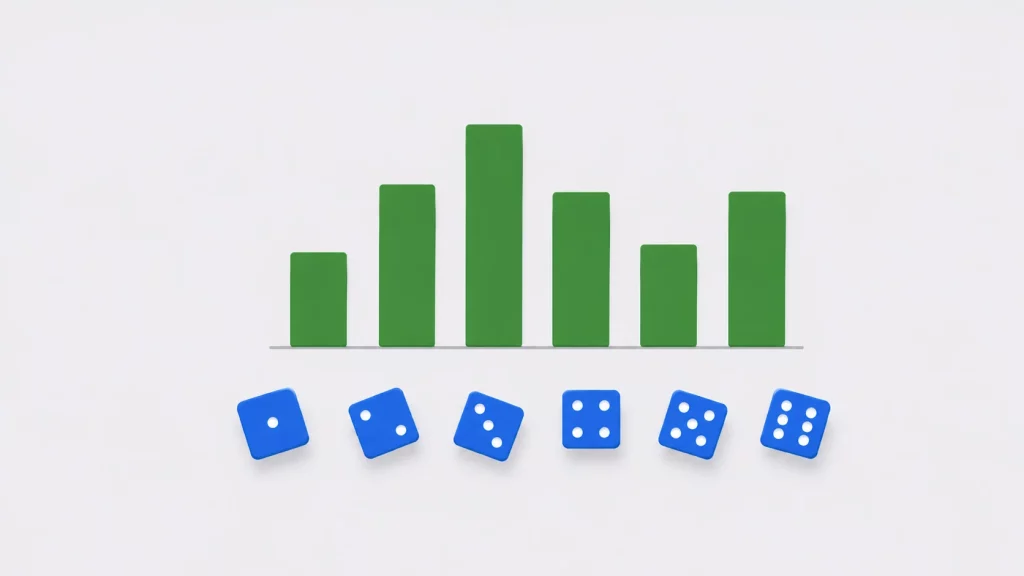
We measured rand() over 20 million samples. When modulo bias matters, when it does not, and why C++ random is both safer and faster.
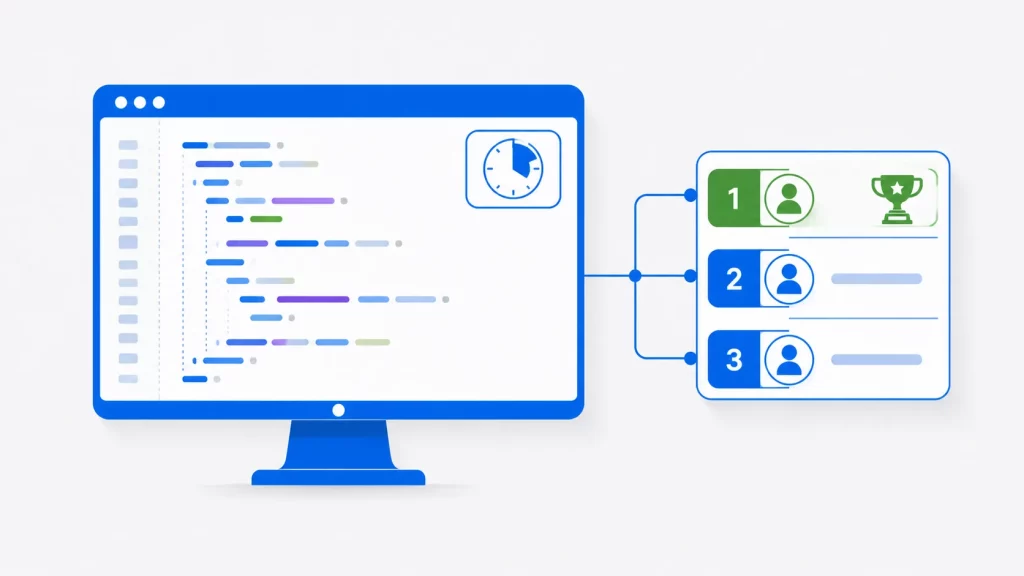
Coding competitions are the fastest way to sharpen your problem-solving skills. Here are the best competitive programming platforms and contests to enter in 2026, for every level.
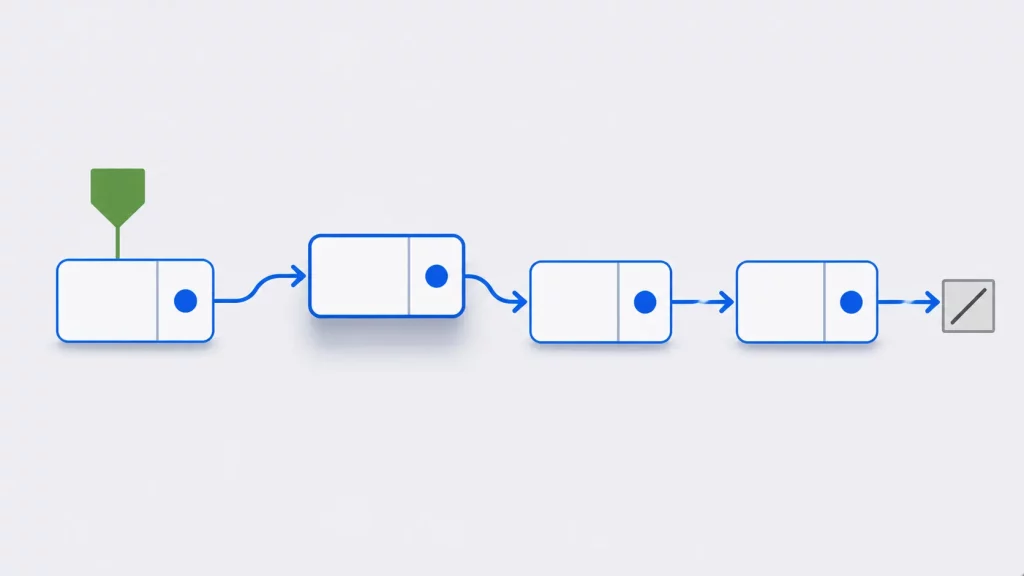
A linked list in C chains heap-allocated nodes through pointers. Build one completely: all operations, complexity analysis and a tested full program.

Stanford Engineering Everywhere (SEE) offers few computer science courses to students online and at no charge. Programming Abstractions course covers advanced programming topics such as recursion, algorithmic analysis, and data abstraction using the C++ programming language, which is similar to both C and Java.
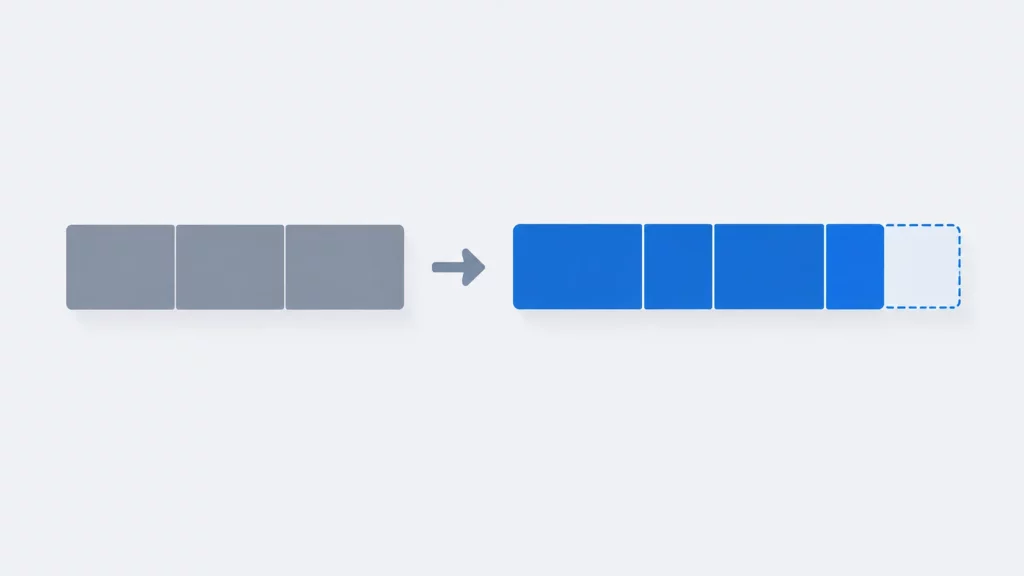
The most copied base64 implementation in C has a heap over-read in its own example. Here is a correct one, checked against the RFC 4648 test vectors.
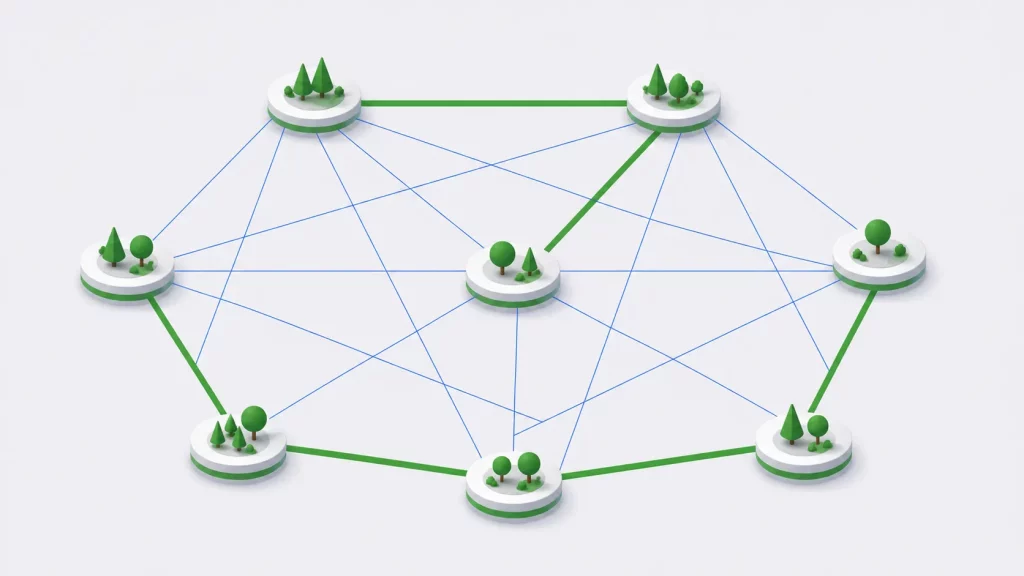
Kruskal’s algorithm builds a minimum spanning tree by sorting edges and rejecting cycles with union-find. Tested C, C++, and Python code included.
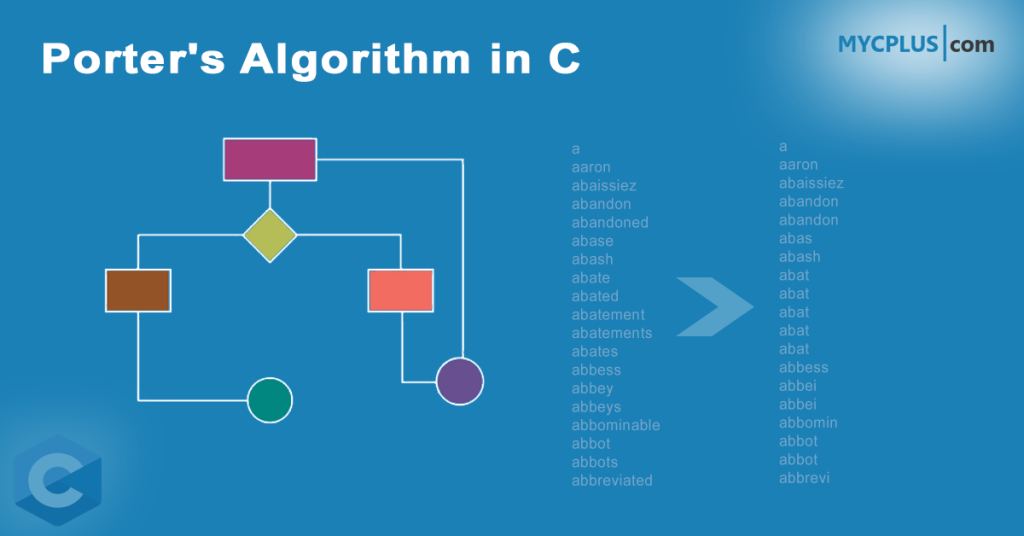
Originally written in 1979 at Computer Laboratory, Cambridge (England), it was reprinted in 1997 in the book “Readings in Information Retrieval”. Initially it was written in BCPL language. Here is the list of implementations in other programming languages including C, Java and Pearl implementations done by author himself.
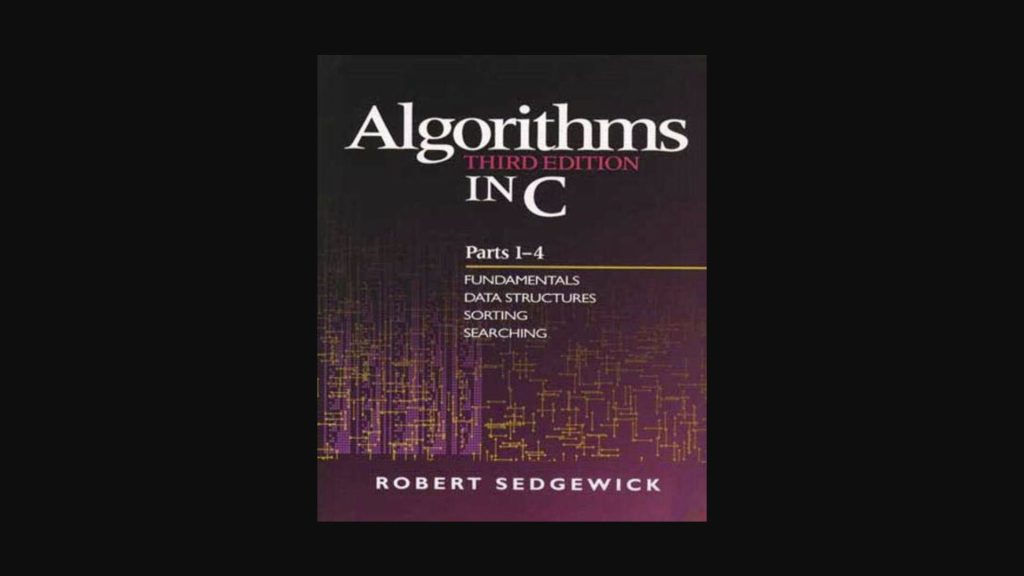
These algorithms are represented in terms of compact implementations in C so that readers can both understand their fundamental properties and implement them in real applications. The method of the analysis of algorithms is quite carefully designed. When appropriate, analytic results are described to explain why certain algorithms are preferred. In some cases, the practical algorithms’ relationship being discussed to purely theoretical results is also described.
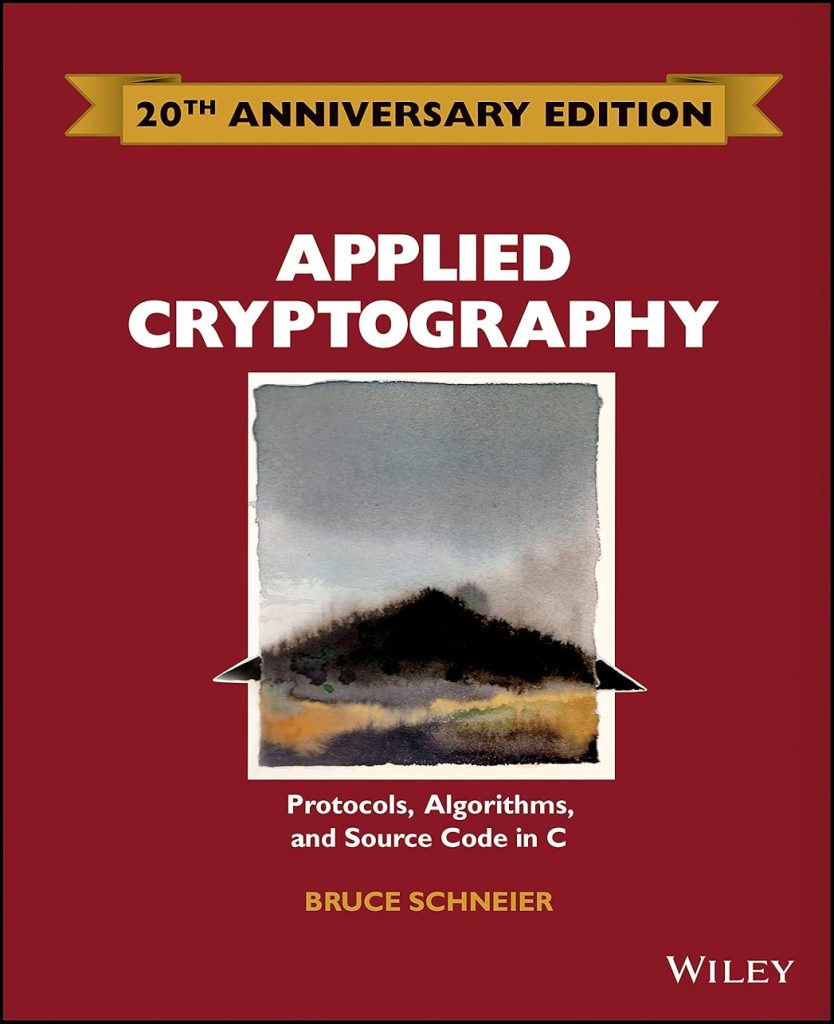
Master cybersecurity with Applied Cryptography! Explore protocols, algorithms, and real-world applications in this must-have guide for tech professionals and enthusiasts. Get your copy now!