
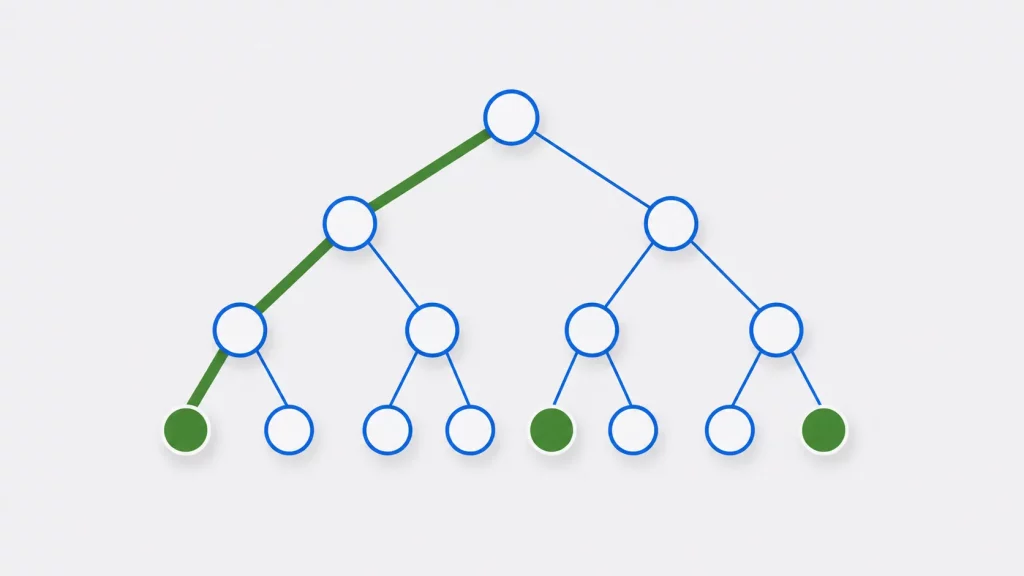
Trie Data Structure Explained — Implementation in C++ with Applications
Prefix lookups that scale with the prefix, not the dictionary — and the memory bill that pays for them, measured on 76,226 words.
Prefix lookups that scale with the prefix, not the dictionary — and the memory bill that pays for them, measured on 76,226 words.
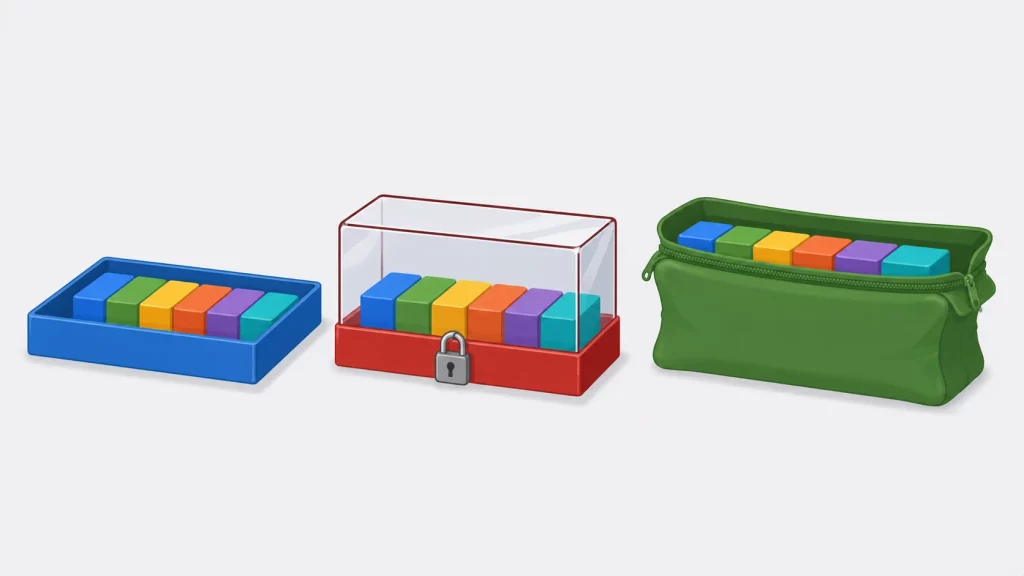
Why writing to one of these two identical-looking declarations crashes, what array decay does to sizeof, and what std::string changes.

Why == silently fails on C strings, how to read strcmp’s return value correctly, and the safe input pattern the comparison depends on.
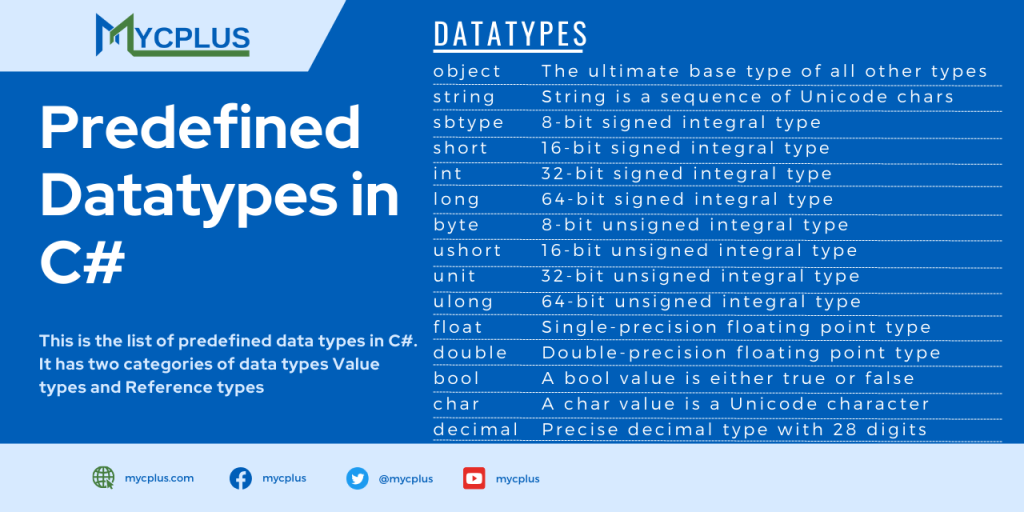
Here we will see the data types available in C#. Before examining the data types in C#, first we will try to understand the C# have two categories of data types. Value types and Reference types. Value type data type is that which stores the value directly in the memory. Its just like int, float and double. But reference types variables only store the reference of the memory where the actual value is.
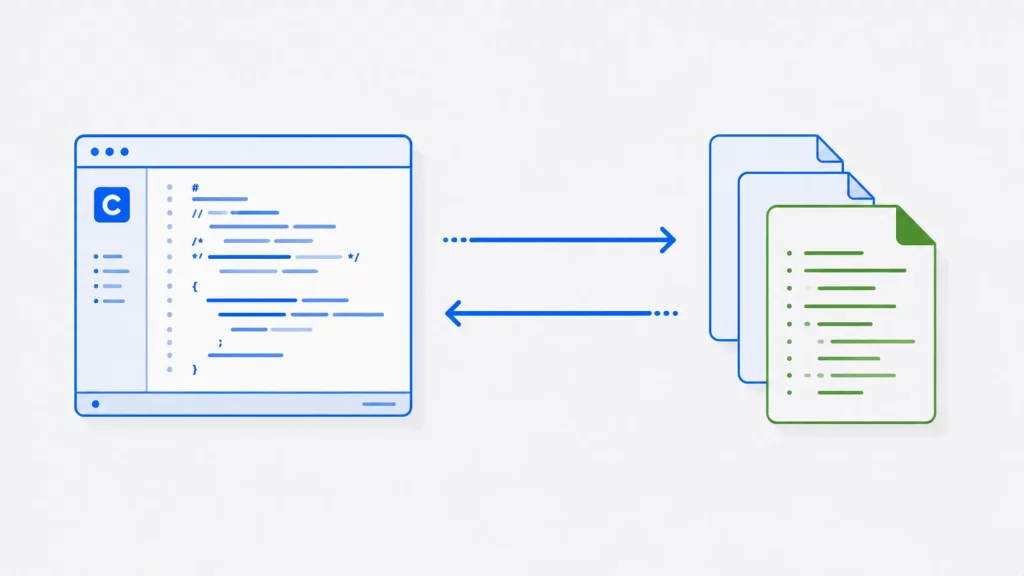
File handling lets your C programs store and read data on disk. This complete guide covers every core function, file modes, binary files, and error handling — with tested examples.
While grasping the fundamentals of encapsulation is crucial, delving into advanced concepts and patterns elevates code design and maintainability further in C++. In this article, we will explore sophisticated aspects of encapsulation that go beyond the basics and provides you with a deeper understanding of its applications and impact on software development.
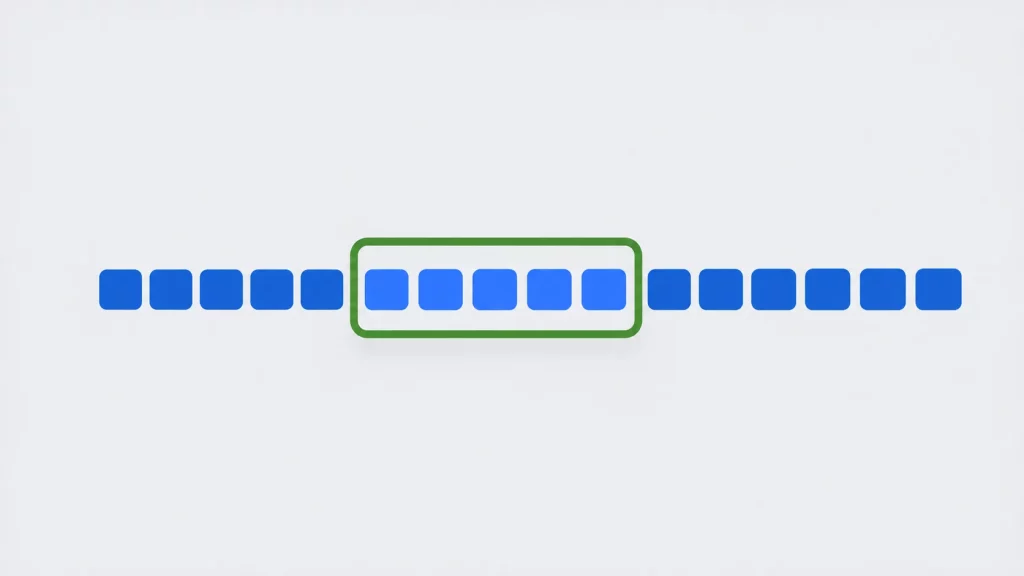
Fifteen characters cost nothing; sixteen cost a heap allocation. A measured guide to std::string, string_view, and where the copies come from.
In this article, we explore different sorting techniques applied to strings in Java. We will look into the implementation of the direct insertion sorting algorithm and more advanced techniques such as the Merge Sort and Quick Sort algorithms. Each approach offers unique advantages by providing Java developers with flexibility in choosing the most suitable method based on the specific requirements of their applications.
Standard C++ not only incorporates all the Standard C libraries (with small additions and changes to support type safety), it
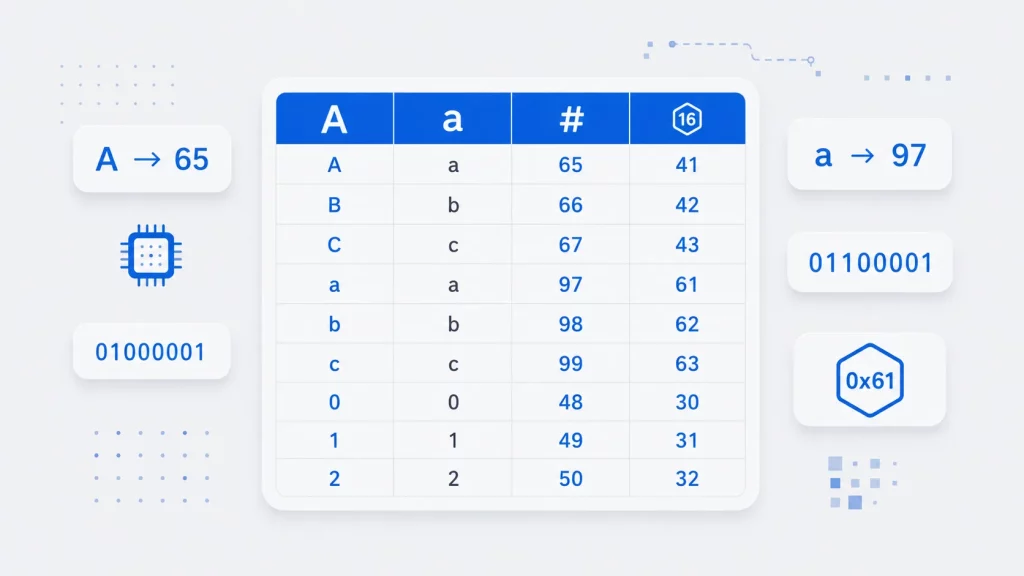
The ASCII table maps every character your computer displays to a number. Here are all 128 codes in decimal, hex, octal and binary — plus what each one means.

This C program finds the longest common sub-sequence between two strings. It implements the most famous dynamic programming algorithm. Dynamic programming is a computational technique used to solve complex problems by breaking them down into smaller subproblems and solving each subproblem only once, storing the solution to each subproblem and using it to solve larger problems.
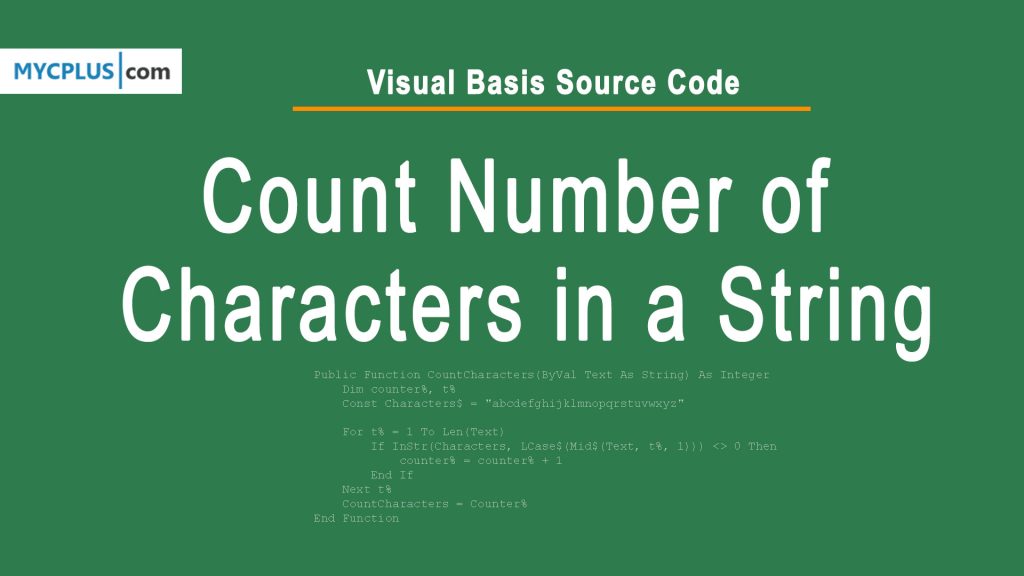
This is a visual basic 6.0 source code to count the number of characters in a string. This function can be useful in Text editors or where you want to tell the user that how many characters have been inputted in the text field. You can also define which characters to count and which do not.