
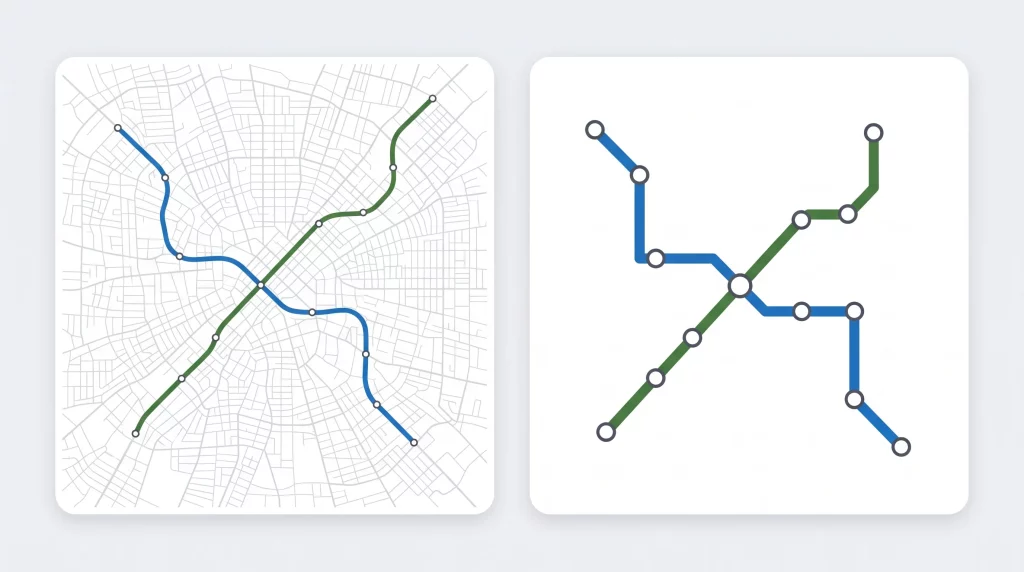
Abstraction in Object-Oriented Programming: Abstract Classes and Interfaces in C++, Java and Python
How abstract classes, interfaces and Python protocols separate what code does from how, with a testable clock example in C++, Java and Python.
How abstract classes, interfaces and Python protocols separate what code does from how, with a testable clock example in C++, Java and Python.

How private state and checking methods keep an object valid, why a getter can leak it, and how Python gets encapsulation from properties and convention.

One base class and two subclasses written in C++, Java and Python, the five types of inheritance, and why a subclass counted six tags when three were added.
“Puzzles for Programmers and Pros” is a treasure trove of brain-teasing challenges designed to enhance logical thinking and coding skills. Whether you’re a beginner or a seasoned pro, this book offers a unique blend of fun and learning.

What programming languages power Google, Meta, Amazon and TikTok in 2026? The verified stacks, layer by layer — and which language to learn for each.

Shark 3-D is a versatile software program and game engine launched by Spinor to create interactive virtual 3D worlds. This game engine uses Python and C++ programming languages for its development. This incredible software program is used for the development of Video Games and the creation of films, broadcasting graphics, animated series, and 3D industry applications.

There are several scenarios where we need different types of JSON validation. In this article, we will cover the following. Here, we will have a look at how to validate incoming JSON data. To check if all required fields are present in the JSON and validate the data.
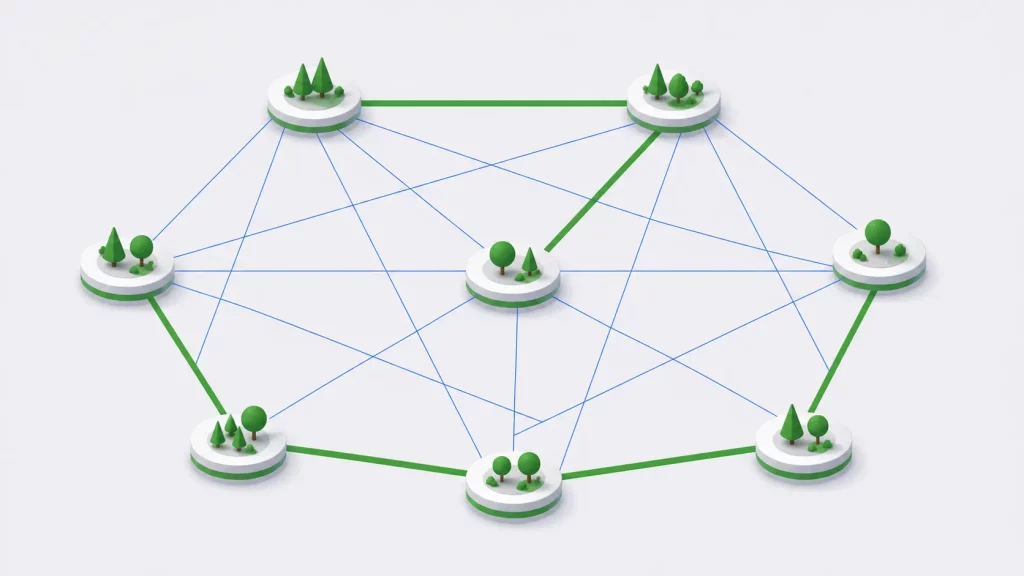
Kruskal’s algorithm builds a minimum spanning tree by sorting edges and rejecting cycles with union-find. Tested C, C++, and Python code included.
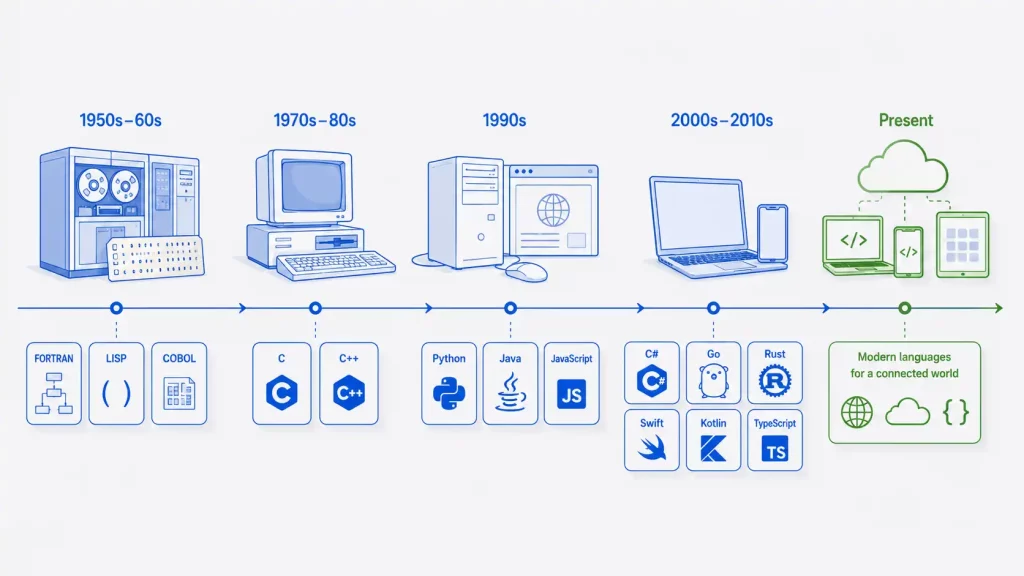
Every programming language was created to solve a problem. This is the history behind the major languages — who invented C, Python, Java, Rust and more, when, and why.
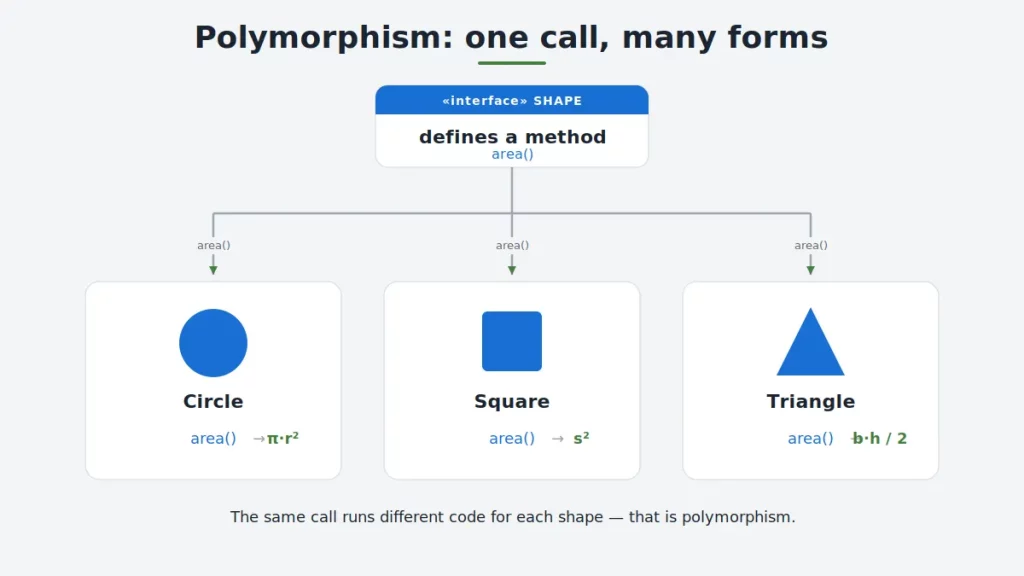
How one call runs different code for different objects: overloading, overriding, virtual functions, generics and duck typing in C++, Java and Python.

Why q = p1 copies an object in C++ but shares it in Java and Python, how equality differs from identity, and how each language ends an object’s life.

One Temperature class written in C++, Java and Python, what a class stores once versus per object, and why a Python list in a class body was shared.