Programming Tutorials — C, C++, C#, Java, JavaScript, Python, PHP, and Game Development
Programming powers modern technology — from desktop software and websites to mobile apps, games and enterprise systems. Strong programming skills remain essential for developers, students and technology professionals building modern digital solutions.
MYCPLUS has been publishing programming tutorials, source code examples and practical development guides since 2004. This programming hub brings together tutorials for C, C++, C#, Java, JavaScript, PHP and Python, along with game development and real-world coding examples designed for hands-on learning.
You will find beginner-friendly programming tutorials, practical source code examples and advanced development guides covering object-oriented programming, debugging, modern programming techniques and professional software development practices. Whether you are learning your first language, improving coding skills or exploring modern development technologies, this section provides structured resources for real-world programming and software engineering.
What You’ll Learn:
- C programming fundamentals — variables, functions, pointers, memory management, file handling and procedural programming concepts
- Modern C++ development — object-oriented programming, STL, templates, smart pointers, lambda expressions and advanced C++ features
- Python programming — scripting, automation, data processing, application development and beginner-friendly programming concepts
- Java and C# development — object-oriented design, application architecture and enterprise programming fundamentals
- JavaScript and PHP programming — web development, frontend and backend programming, dynamic applications and interactive user experiences
- Game development programming — graphics programming, game engines, real-time systems and practical game development concepts using C and C++
Why MYCPLUS: One of the web’s longest-running programming resources — trusted since 2004 with hundreds of tutorials, practical coding guides, source code examples and developer learning resources designed for real-world programming skills.
Hello, world! Programs are usually written to make the text “Hello, world!” appear on a computer screen. This is also a basic sanity check for an installation of a new programming language. The first Hello World program appeared in chapter 1.1 of the first edition of Kernighan & Ritchie’s original book about C, ‘The C Programming Language’, in 1978. This is considered to be the first ever “Hello World!” program.
Coding Style Programming
A multi-paradigm programming language allows programmers to choose a specific single approach or mix parts of different programming paradigms. The power of C++ is such that it can be used to implement any paradigm. It supports procedural and class based object oriented programming as well as there is functional programming support in the modern standard library versions. The free-form nature of C++ can also be used to write obfuscated C++ which in one context can be seen as artful control over the language.
C++ Programming Coding Style OOP Programming Practices
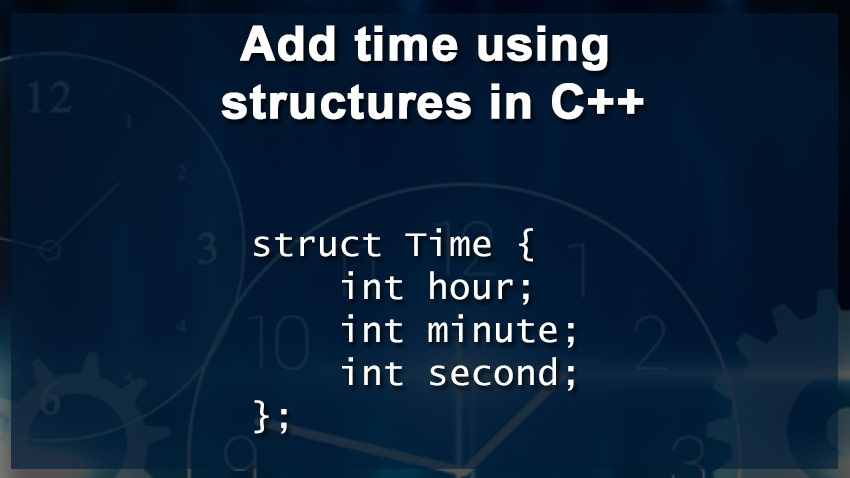
This is a C++ implementation of adding time using structures. A structure is a convenient tool for handling a group of logically related data items. Structure help to organize complex data is a more meaningful way. It is powerful concept that we may after need to use in our program Design.
C Programming Data Structures Source Code
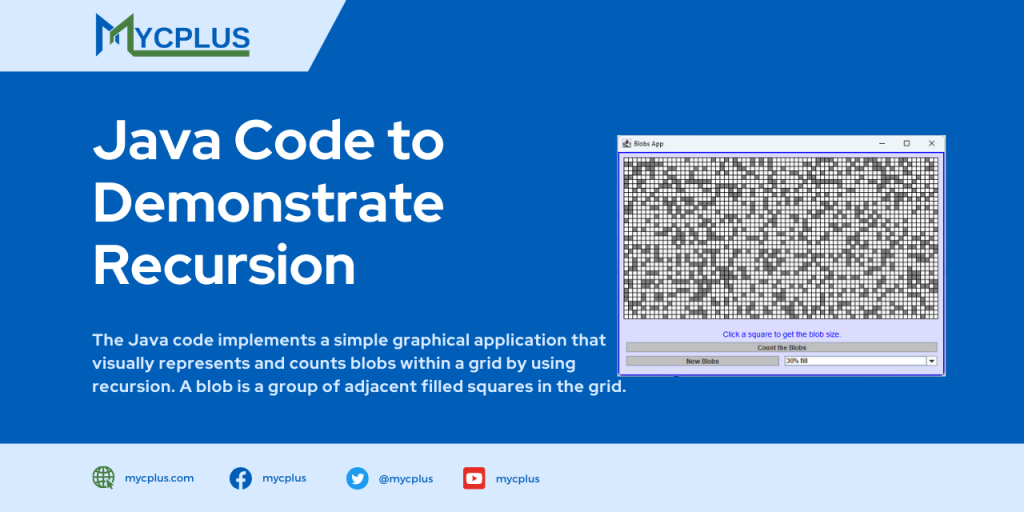
The Java code implements a simple graphical application that visually represents and counts blobs within a grid by using recursion. A blob is a group of adjacent filled squares in the grid. The application uses Java Swing for creating the graphical user interface (GUI) components. It includes buttons for generating a new set of blobs, counting the number of blobs, and a grid where users can click to get information about the blob size at that specific position. This Java code uses recursion in the getBlobSize method to calculate the size of a blob.
Algorithms Java Source Code
Learn the basics of C++ templates and how they are used in programming. This article breaks down the concept of templates, their types, and common challenges. From function templates to member function templates, discover their practical applications and potential pitfalls. Whether you’re a beginner or looking to deepen your understanding, this guide provides a straightforward explanation of C++ templates.
C++ Programming Generic Programming Inheritance
This tutorial is designed to give a working knowledge of C++ (and indirectly parts of C) as quickly as possible for people with Java programming experience and familiarity with basic programming language concepts. By working through the exercises, core C++ concepts can be learned and practiced.
C++ Programming Java Programming Practices
What is C language? The programming language C was originally developed by Dennis Ritchie of Bell Laboratories and was designed
C++ Programming
What’s the difference between a programming language, a scripting language? The main difference between a “programming language” (C, C++ etc.)
Programming Tips
What is C++? C++ is a general purpose programming language developed by Bjourne Stroustrup at Bell Laboratories during 1983-1985 as
C++ Programming
What is Java Programming Language? The Java programming language is a high-level language that can be characterized by all of
Java
This is a visual basic 6.0 source code that inverts the case of the selected text. If the upper case
Source Code Visual Basic
This is a visual basic 6.0 wav sound player class that plays any selected sound file in .wav format. It
Source Code Visual Basic