
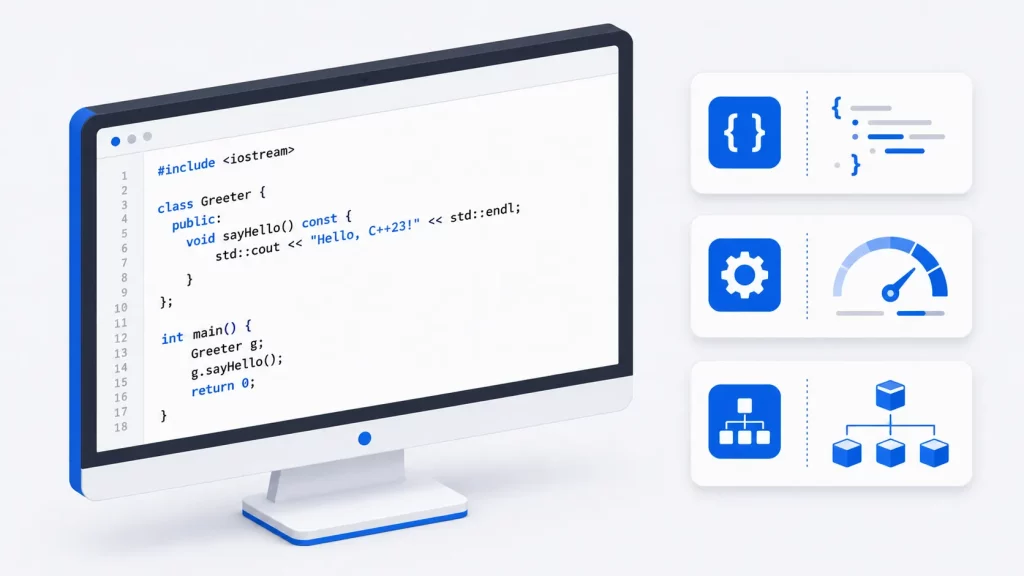
C++ Programming: Complete Beginner’s Guide to Modern C++ (2026)
C++ powers the software where speed matters most, from game engines to trading systems. This guide takes you from your first program to modern C++, one concept at a time.
C++ is one of the most powerful and widely used programming languages in the world. Built on the foundation of C, it adds object-oriented programming, generic programming through templates, and the rich Standard Template Library — making it the language of choice for game development, systems programming, high-frequency trading, real-time applications, and performance-critical software.
MYCPLUS has been one of the web’s longest-running C++ programming resources, publishing tutorials, source code examples and practical guides since 2004. This section covers everything from the absolute basics of C++ syntax through to modern C++ features introduced in C++11, C++14, C++17 and beyond. You will find clear explanations of classes, inheritance, polymorphism and encapsulation, practical STL container and algorithm examples, and real-world source code that demonstrates how C++ is used in professional software development.
Whether you are a student learning C++ for the first time, a C programmer making the transition to object-oriented development, or an experienced developer exploring modern C++ features like smart pointers, move semantics and lambda expressions — this section has the resources you need to level up your C++ skills.
Why MYCPLUS: One of the web’s longest-running C++ resources — trusted since 2004 with hundreds of tutorials, examples and source code projects built for real learning.
C++ powers the software where speed matters most, from game engines to trading systems. This guide takes you from your first program to modern C++, one concept at a time.
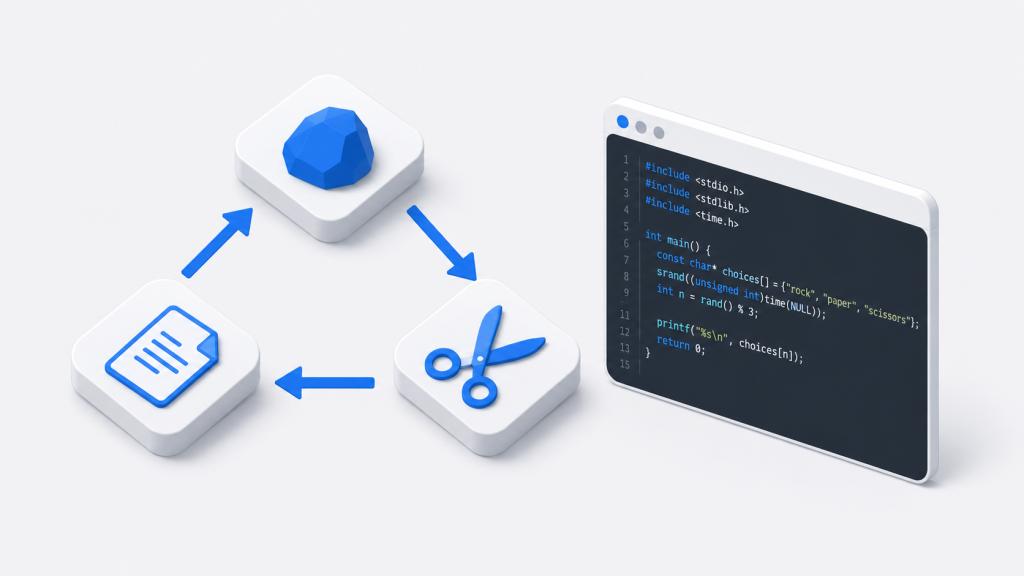
Learn to build a Rock, Paper, Scissors game in C++ with this complete tutorial. Includes working source code, modern C++ random number generation, game logic explanation, and best practices for beginners.

C++ is a diverse programming language that is widely used in various areas, from system programming to game development. Its variety of features and a robust ecosystem of libraries offer numerous opportunities for extending functionality and improving its development. Familiarizing yourself with C++ libraries can help students improve their coding skills. Here’s a detailed look at 10 C++ libraries every student should know.
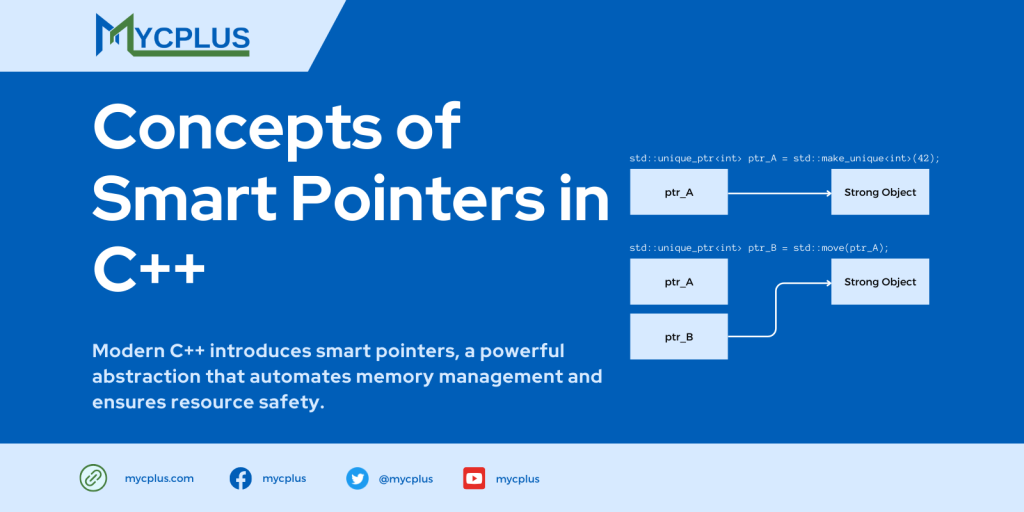
Pointers are a foundational concept in C and C++ that allows developers to manage memory and manipulate objects dynamically. However, traditional pointers come with challenges such as memory leaks, dangling pointers, and complex manual memory management. To address these issues, modern C++ introduces smart pointers, a powerful abstraction that automates memory management and ensures resource safety.

C++ is a basic programming language that is used ubiquitously to create the back end of various products. Despite lagging behind in the TIOBE rankings, his status has not changed. Most companies cannot do without it, so they always hire C++ developers on their staff. There are plenty of purposes for using the language:

Explore how C++ developers can optimize applications for 3D NAND SSDs to achieve faster performance, higher storage efficiency, and improved durability compared to traditional 2D NAND-based drives.
Learn practical strategies for improving data access, memory management, and I/O operations for modern SSD architectures.

Although there are good tools that one can use to process and convert large and complex XML data like a converter from Sonra, there are quite a few libraries that can help in processing some simple XML over C++.
Discover the enduring relevance of C++ in modern programming. From its origins in C to advanced features like smart pointers and lambda expressions, C++ continues to power high-performance software, game development, and system programming worldwide.
This a database management project that demonstrate the database operations. The operations include add, edit and delete the records. User can also search the records.
First hint of object oriented programming using C++. #include <iostream.h> #include <string.h> main() { int index; float distance; char letter;
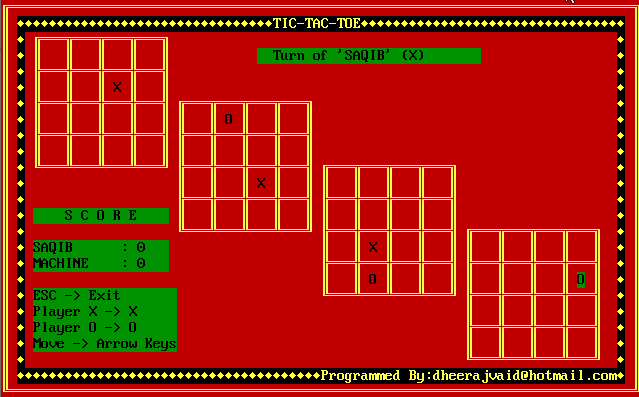
This is an enhanced version of Tic-Tac-Toe (TTT) game by adding one more row and column. Actually I have played this newer version of Tic-Tac-Toe (TTT) game on a video game. So, when I learnt C/C++ programming, it was my wish to program this game myself using C/C++.
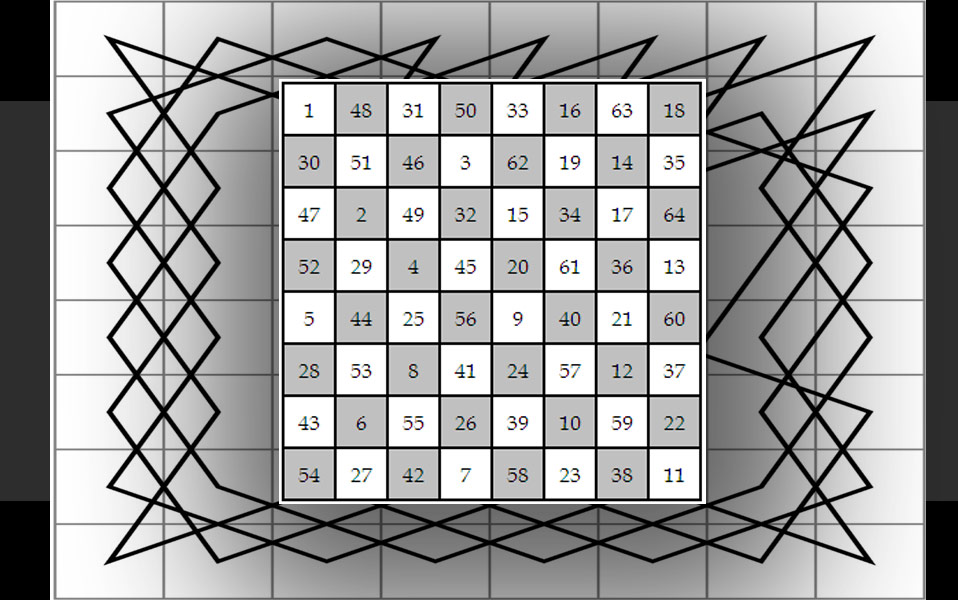
This C++ program is tour of knight on 64 square of chess board. The goal is to place a knight on an empty chess board and then move the knight to each of the remaining 63 squares while only visiting each square once. If on visiting the last square the knight is able to hop to the square on which it first started it is known as a closed tour (and so the knight could resume the exact same sequence of moves to complete another tour) while if the knight is unable to hop to the original square, it is known as an open tour.