Game Development Tutorials — Game Engines Explained, from Unreal and id Tech to Open-Source C++

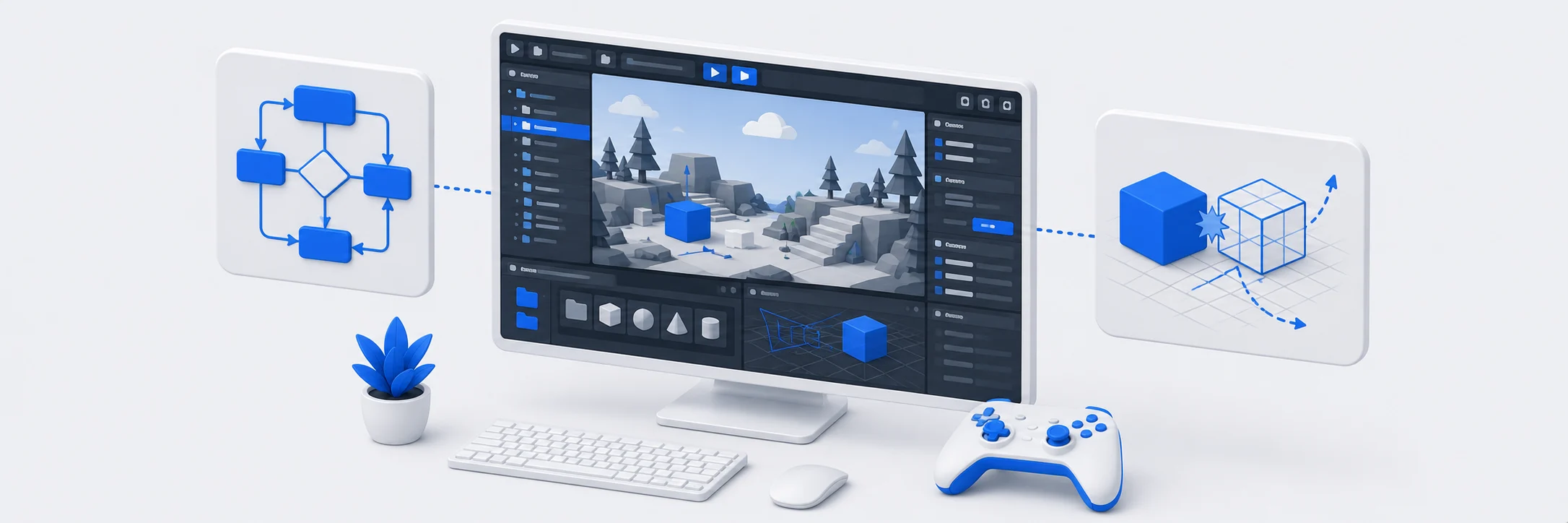
Illustration of a game engine editor showing a low-poly 3D scene on a monitor, with a game loop flowchart, cube collision diagram and game controller for game development

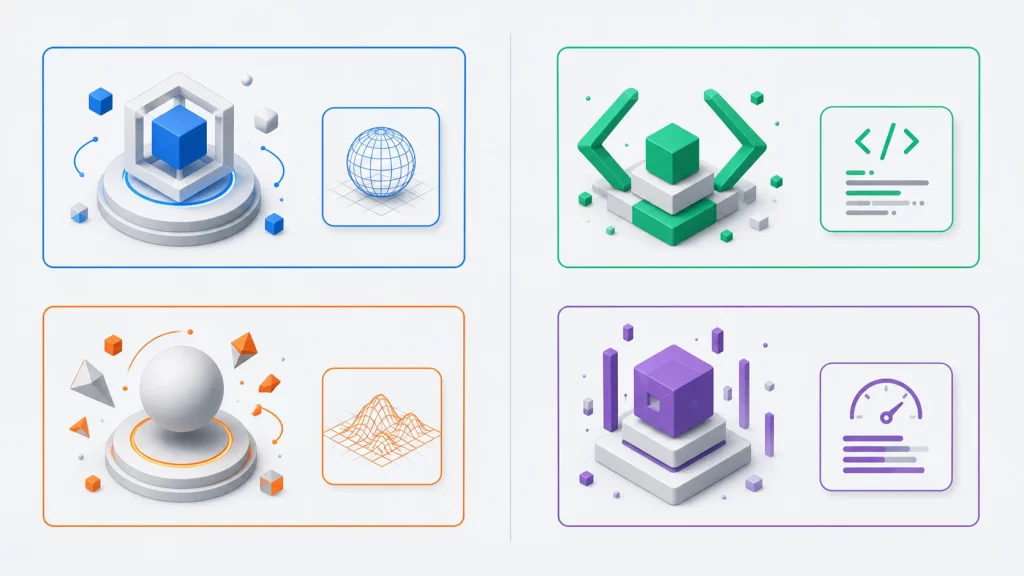
Every game runs on an engine: the renderer, physics, audio, scripting and tools that turn code and assets into something playable. Studios have built their own engines to push their games forward, and those engines have shaped whole genres. The early first-person shooter grew out of id Tech, grand strategy runs on Clausewitz, and open-world action games run on Anvil. If you know how engines work, you understand how games are made.

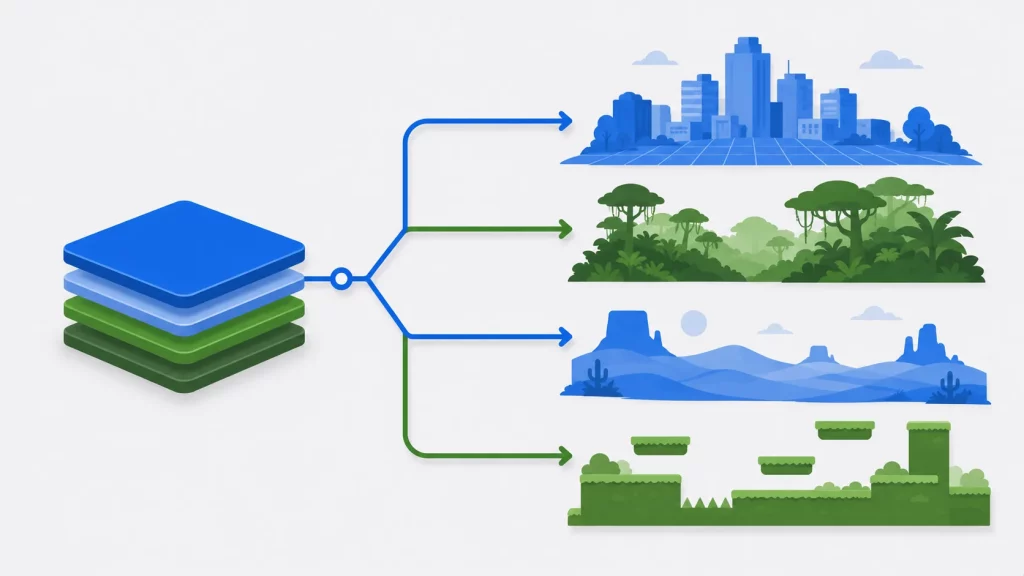
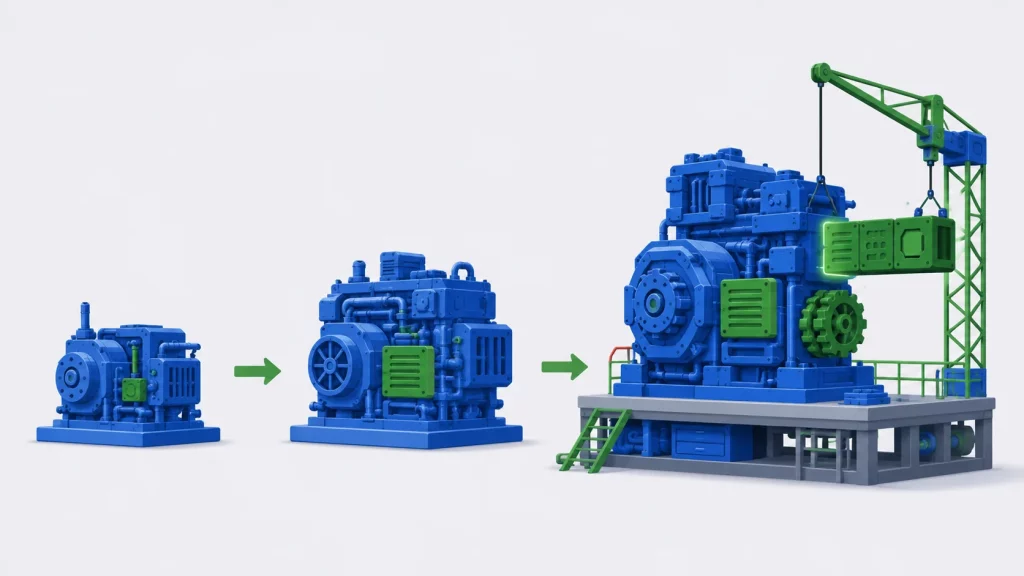
MYCPLUS has covered game development since 2004, and this section is built around in-depth game engine profiles. They cover the in-house engines of the biggest studios, the open-source C++ engines you can download and build today, and the classic and discontinued engines that came before them. Each profile covers how the engine works, the version history, a checked list of the games built on it, and where it stands in 2026, including what to use when an engine is no longer available.

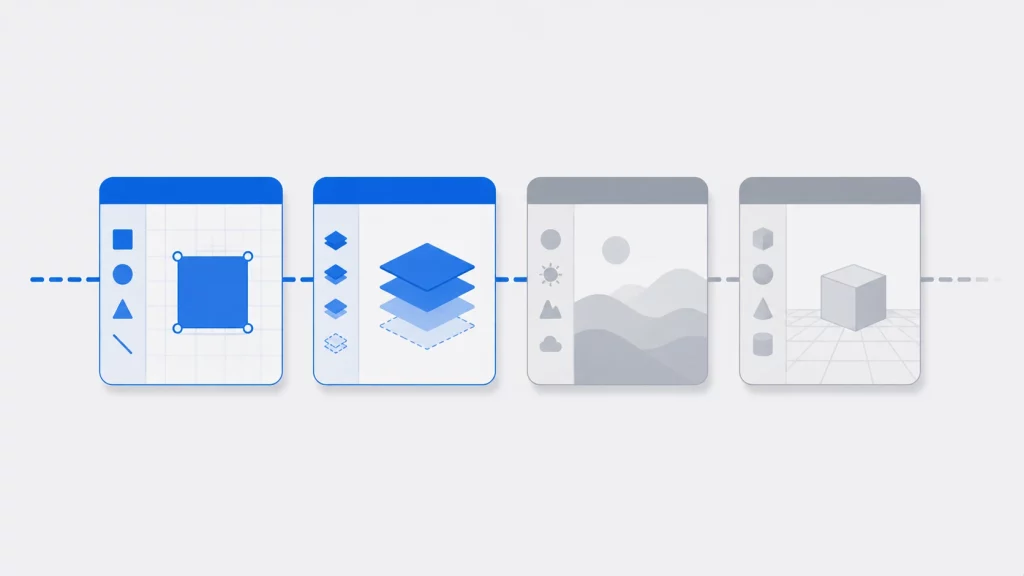
Alongside the profiles you’ll find guides to choosing an engine and a language, graphics programming with DirectX, and complete C++ game projects with tested source code. Whether you’re picking a toolset for your first game, studying engine source code or researching the technology behind a game you love, start here.

What You’ll Learn

Why MYCPLUS: One of the web’s largest collections of game engine profiles, maintained since 2004. Every profile checks its game list against named sources, corrects the myths copied elsewhere, and states each engine’s status in 2026. For the language behind most of these engines, see the C++ Programming tutorials.

Scroll to Top