Game Development Tutorials — Engines, Graphics Programming and C++ Game Development
Game development sits at the intersection of programming, mathematics, physics and creative design — making it one of the most technically demanding and rewarding fields in software engineering. Whether you want to build your first game, understand how professional game engines work under the hood, or master the graphics programming techniques that power modern AAA titles, this section gives you the technical foundation to do it.
MYCPLUS has been publishing game development resources since 2004, building one of the most comprehensive collections of game engine guides, C++ game programming tutorials and graphics programming articles on the web. This section covers everything from the architecture of major game engines like Unity, Unreal Engine and id Tech, through to the low-level C++ techniques that make real-time games perform at scale.
You will find in-depth articles on over 100 game engines, practical C++ programming guides for game systems, DirectX and OpenGL graphics programming tutorials, and career resources for developers building a future in the games industry. Whether you are a beginner exploring game development for the first time or an experienced programmer going deeper into engine architecture, start here.
What You’ll Learn
- Game engine architecture — how engines like Unity, Unreal, CryEngine and id Tech are structured, what makes them performant, and how to choose the right one for your project
- C++ game programming — the language features, memory management patterns and real-time programming techniques that power professional game development
- Graphics programming — DirectX and OpenGL fundamentals, rendering pipelines, 2D and 3D graphics techniques and visual optimisation for games
- Game engine deep dives — detailed technical breakdowns of over 100 game engines covering architecture, strengths, weaknesses and real-world usage
- Best programming languages for games — comparing C++, C#, Python and other languages for game development performance, tooling and industry demand
- Game development careers — how to build a portfolio, develop the right skills and move into professional game programming roles
Why MYCPLUS: One of the web’s most comprehensive game development resources — trusted since 2004 with in-depth guides on over 100 game engines, C++ game programming techniques and graphics programming tutorials built for serious developers.
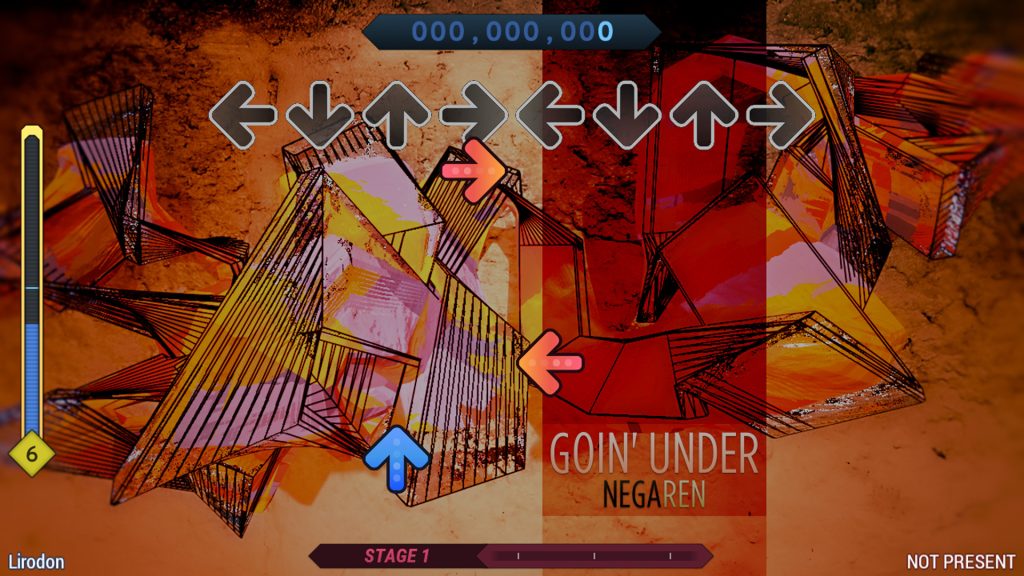
StepMania is an open-source game development engine written in C++, Assembly and Lua. It is not only a game development engine but also a cross-platform rhythm video game. StepMania was initially created as an emulator for Dance Dance Revolution, a game series of Konami arcade and has progressed since into an extendable rhythmic game development engine that has enough capability to support a number of rhythmic game options.
C Programming Game Development Game Engines
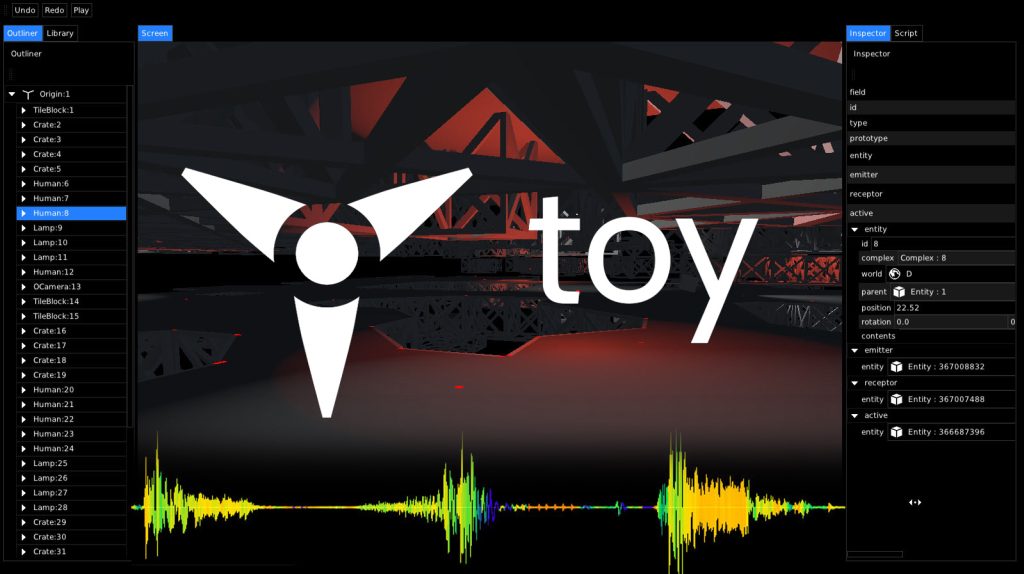
The “Toy Game Engine” is a thin and modular Game Development Engine that is developed in C++ Programming Language. The Aim of this engine is to provide the thinnest and simplest stack of technology for making games just by using simple c++ code. The Toy Game offers simple user interface, rendering maps, audio, and it provides a seamless extension of game code with no cost. It has different tools, editors, and scripting tools, to design fully functional 2d or 3d games in less time.
C Programming Game Development Game Engines
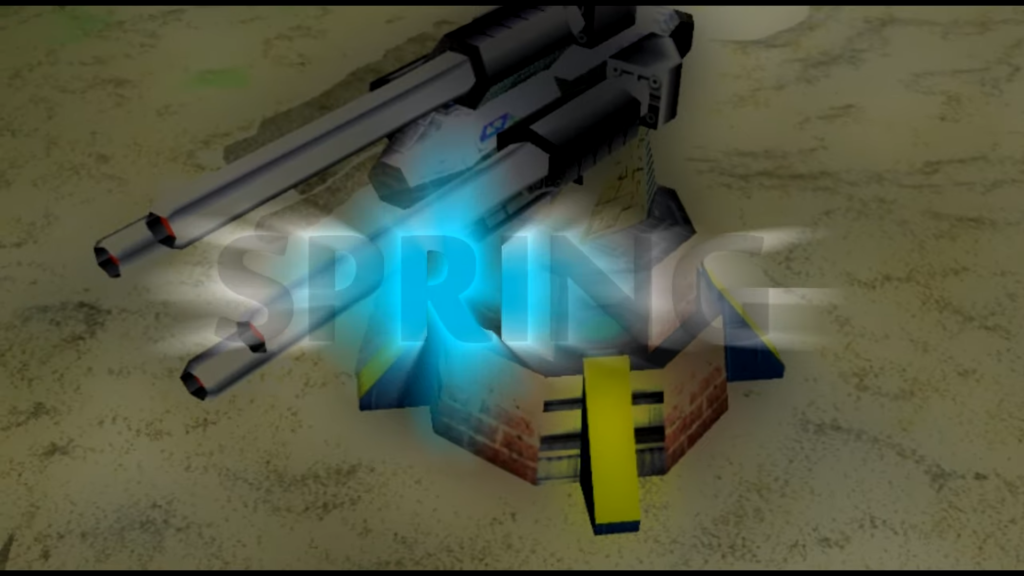
Spring is a free and multipurpose 3D Real-time Strategy (RTS) game engine. For scripting game specific code, it has extensively used “Lua” in order to make almost each aspect of the engine customizable, from AI unit to GUI, to path finding. Some part of the engine are also developed in C++. It is a cross-platform engine, which provides support for Windows, Linux and OS X. Spring is an open source software.
C Programming Game Development Game Engines
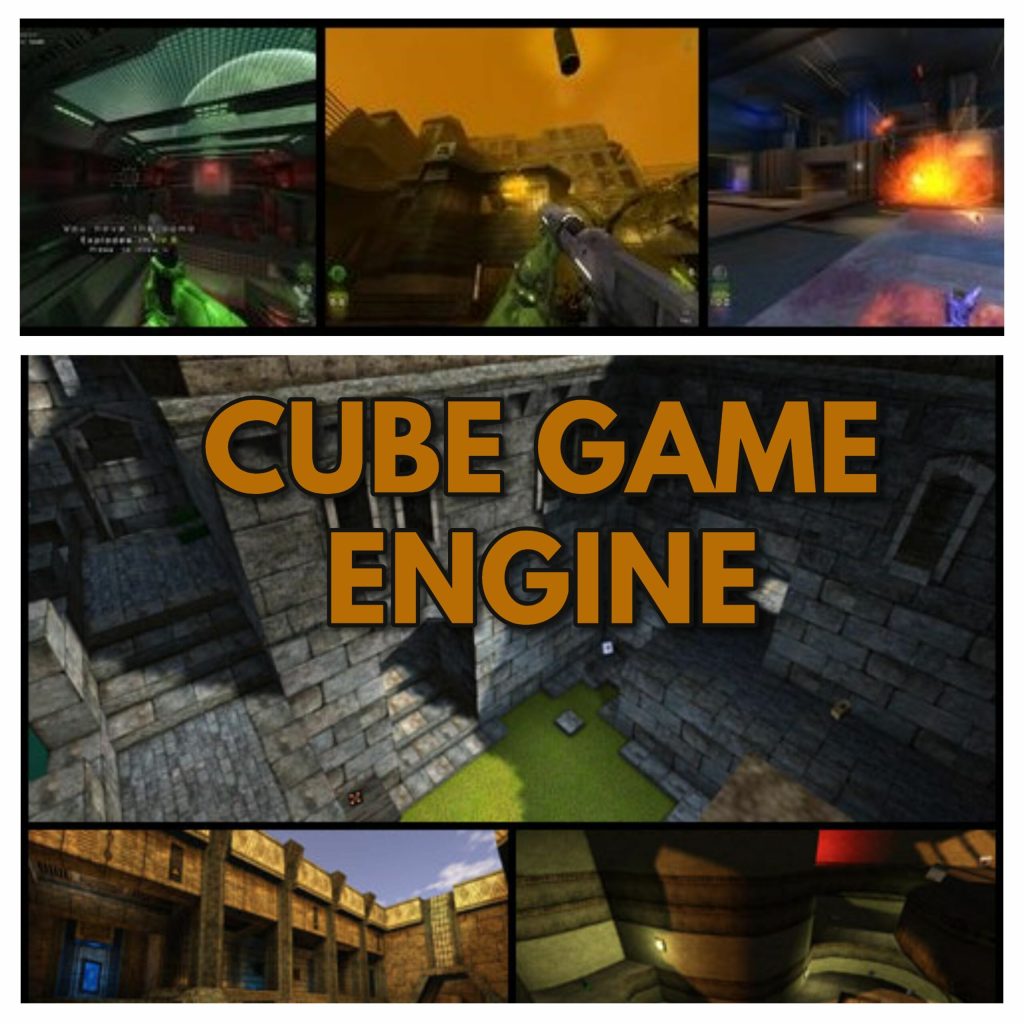
The Cube is an open-source landscape-style engine created using OpenGL and C++ that acts as an indoor FPS game engine which allows for in-game editing of geometry in a full 3D mode, which means that you may fly around the map and point or drag objects to pick or alter them while playing simultaneously with others in multiplayer.
C Programming Game Development Game Engines
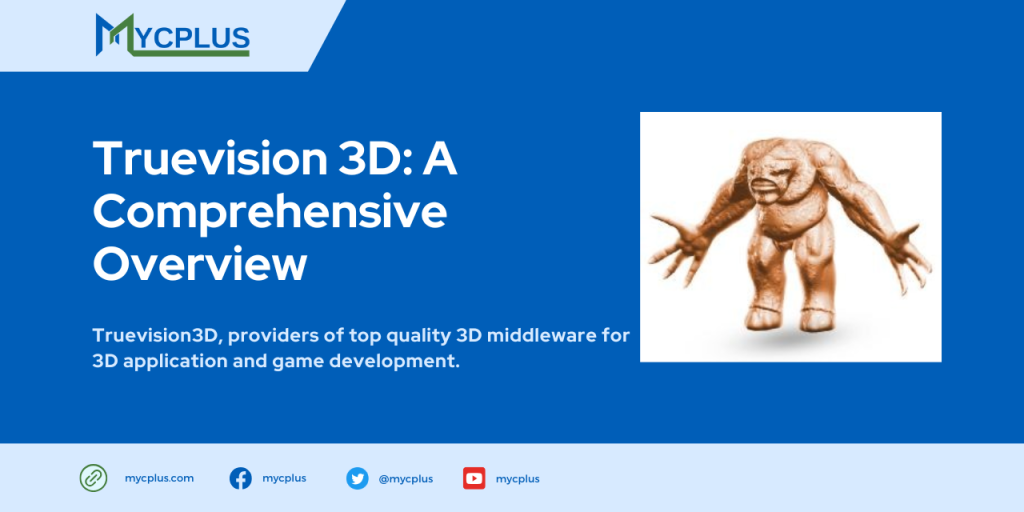
Truevision 3D is a game engine that has been a significant player in the world of 3D game development. Known for its versatility and ease of use, Truevision 3D has been utilized by both indie developers and professional studios to create a wide range of games and simulations.
C++ Programming Game Development Game Engines
Unity is a cross-platform game engine developed by Unity Technologies, first released in 2005 as a Mac OS Game Engine. The engine was initially developed to create animations and interactive content for the web, but it quickly expanded to support a variety of platforms, including desktop computers, mobile devices, and game consoles.
Game Engines
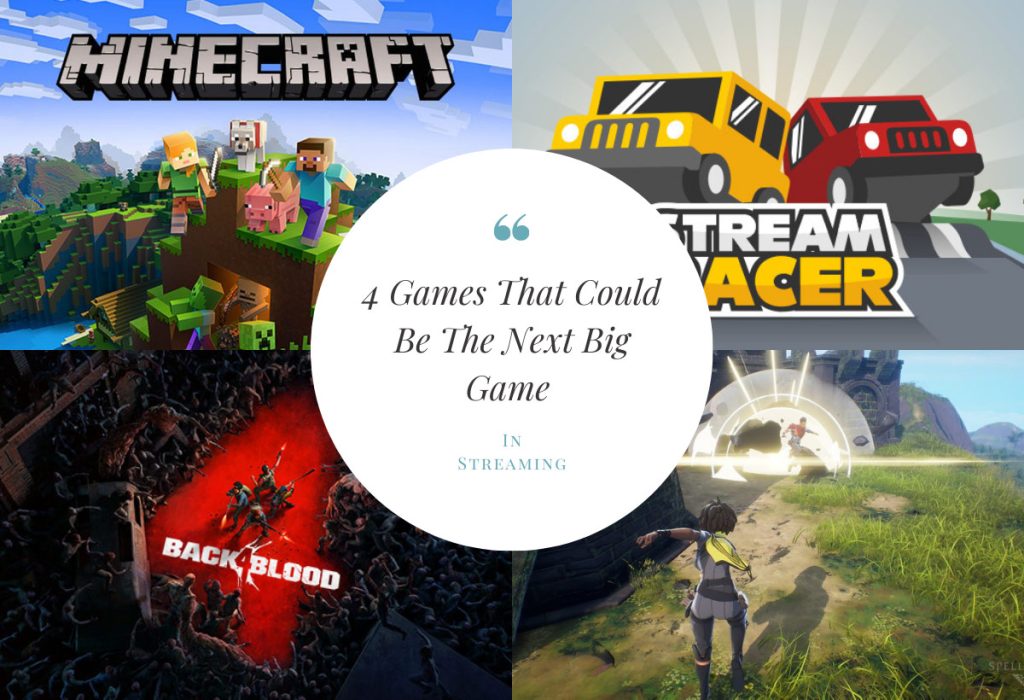
In 2020, Among Us showed us your game doesn’t have to be a revolutionary concept, be full of flashy graphics, have ray-tracing level fidelity, or even that much gameplay for that matter. It just has to be the right idea at the right time.
Gaming Graphics
Graphics is an integral part of any AAA game. The ability to deliver a realistic and immersive graphics experience is what can make or break a game, especially in the age of virtual reality (VR) and augmented reality (AR). Graphics technologies play a huge role in creating this immersive environment. As the demand for better graphics increases, game developers are adopting cutting-edge innovations in graphics technology.
C++ Programming DirectX Game Development
Shark 3-D is a versatile software program and game engine launched by Spinor to create interactive virtual 3D worlds. This game engine uses Python and C++ programming languages for its development. This incredible software program is used for the development of Video Games and the creation of films, broadcasting graphics, animated series, and 3D industry applications.
C Programming Game Development Python