
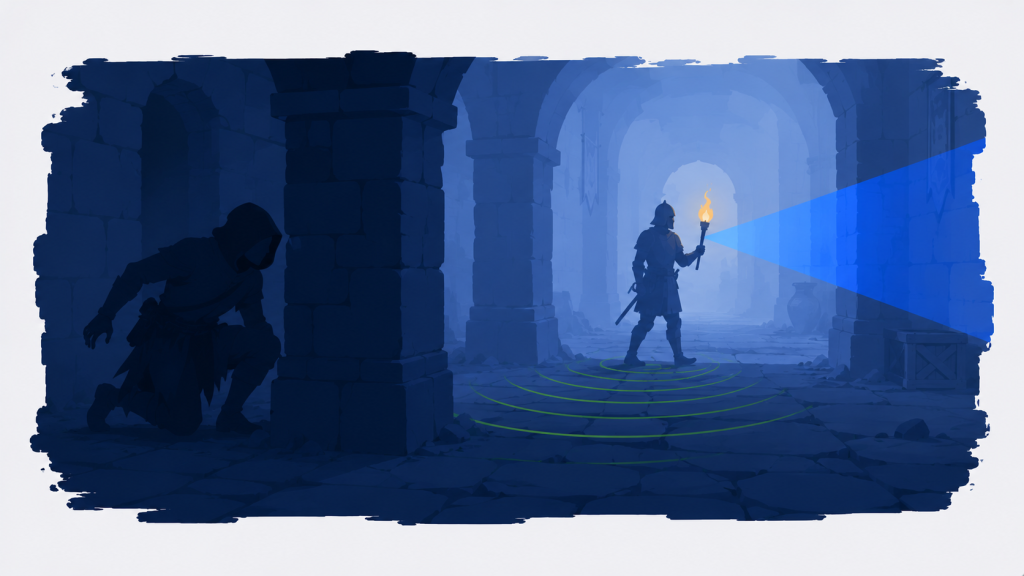
Dark Engine — Looking Glass Studios’ Engine Behind Thief and System Shock 2
Dark Engine gave Thief its shadows and System Shock 2 its scares. How Looking Glass built gaming’s smartest AI in 1998 — and why it still runs today.

Every game runs on an engine: the renderer, physics, audio, scripting and tools that turn code and assets into something playable. Studios have built their own engines to push their games forward, and those engines have shaped whole genres. The early first-person shooter grew out of id Tech, grand strategy runs on Clausewitz, and open-world action games run on Anvil. If you know how engines work, you understand how games are made.
MYCPLUS has covered game development since 2004, and this section is built around in-depth game engine profiles. They cover the in-house engines of the biggest studios, the open-source C++ engines you can download and build today, and the classic and discontinued engines that came before them. Each profile covers how the engine works, the version history, a checked list of the games built on it, and where it stands in 2026, including what to use when an engine is no longer available.
Alongside the profiles you’ll find guides to choosing an engine and a language, graphics programming with DirectX, and complete C++ game projects with tested source code. Whether you’re picking a toolset for your first game, studying engine source code or researching the technology behind a game you love, start here.
Why MYCPLUS: One of the web’s largest collections of game engine profiles, maintained since 2004. Every profile checks its game list against named sources, corrects the myths copied elsewhere, and states each engine’s status in 2026. For the language behind most of these engines, see the C++ Programming tutorials.
Dark Engine gave Thief its shadows and System Shock 2 its scares. How Looking Glass built gaming’s smartest AI in 1998 — and why it still runs today.

REDengine carried The Witcher and Cyberpunk 2077 to glory, then CD Projekt Red retired it for Unreal Engine 5. The full story of a landmark engine.

Unreal Engine powers everything from Fortnite to Game-of-the-Year winners. Here’s how UE5’s Nanite and Lumen work, the games it built, Unreal vs Unity, pricing, and how to start.

CryEngine powered Far Cry, Crysis, Hunt: Showdown, and Kingdom Come II. Every version, every game, and where Crytek’s engine really stands today.

HeroEngine powered Star Wars: The Old Republic with a pioneering cloud-based collaborative model. Here’s its history, the games built with it, its features, and its current status.

Paradox’s Clausewitz engine has powered grand strategy games since 2007. Here’s its version history, how the Jomini layer fits in, every game built with it, and its key features.

UbiArt Framework turned hand-drawn art into games like Rayman Legends and Child of Light. How Ubisoft’s 2D engine worked — and why it quietly faded.

Ubisoft’s Anvil engine has powered Assassin’s Creed since 2007. Here’s its full version history from Scimitar to Ubisoft Anvil, every game built with it, and its modern ray-tracing features.

The Dunia Engine powered the Far Cry series for over a decade. Here’s its history as a CryEngine fork, the games built with it, its standout features, and whether you can download it.

The Frostbite engine powers EA’s biggest games, from Battlefield to EA Sports FC. Here’s how DICE’s technology works, the games it drives, and why you can’t download it.

The IW Engine has powered nearly every Call of Duty for two decades. Here’s how it evolved from id Tech 3 into the technology behind the franchise.
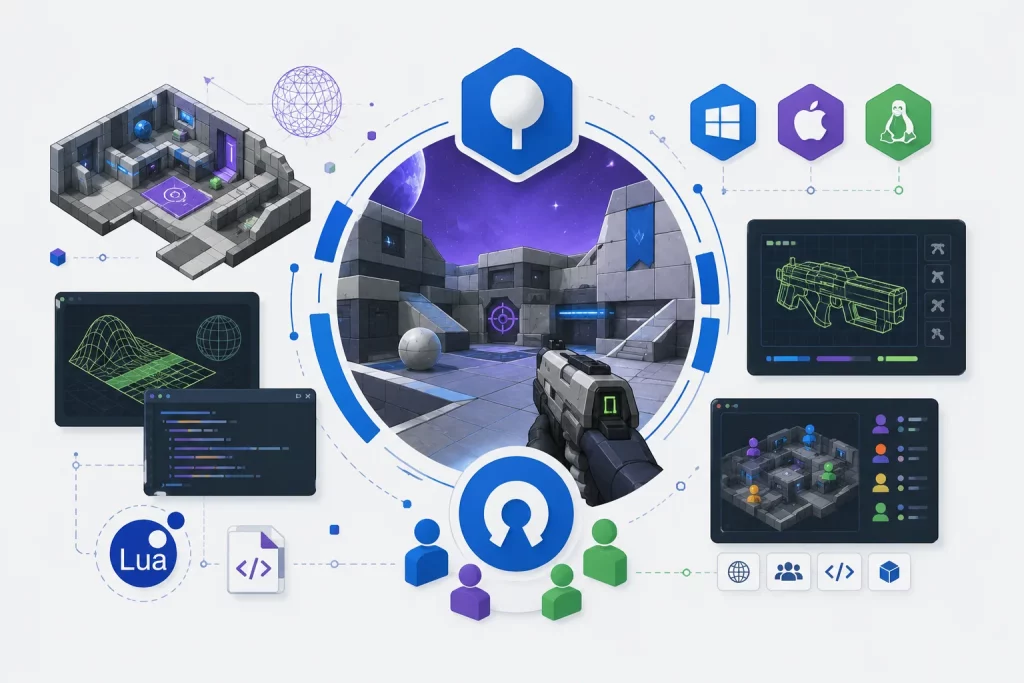
Aleph One is a cross-platform open source game engine. Aleph One is the continuation of Bungie Studios’ Marathon 2: Durandal. The project started in early 2000 when Bungie launched the source code before being acquired by Microsoft, encouraging fans to develop it further.