

Banshee 3D Game Engine: What It Became, and Why Its Repository Is Gone
The Banshee Engine repository is a dead link, so the project looks abandoned. It isn’t — it renamed twice, dropped its editor, and shipped commits this month as B3D Framework.
The Banshee Engine repository is a dead link, so the project looks abandoned. It isn’t — it renamed twice, dropped its editor, and shipped commits this month as B3D Framework.

We measured rand() over 20 million samples. When modulo bias matters, when it does not, and why C++ random is both safer and faster.

Ubisoft’s Anvil engine has powered Assassin’s Creed since 2007. Here’s its full version history from Scimitar to Ubisoft Anvil, every game built with it, and its modern ray-tracing features.

A profile of Adventure Game Studio: how the free engine works, what changed in AGS 3.6 and 4.0, the commercial games built on it, and when to pick another tool.

In 2021, 4A Games removed the rasterised lighting path from Metro Exodus entirely — every light is ray traced, with no fallback. Here’s the engine behind the Metro series, and why you can’t download it.

C++17 was ratified in 2017, not proposed. The features that changed everyday C++, each compiled and run, plus the one that can make code slower.
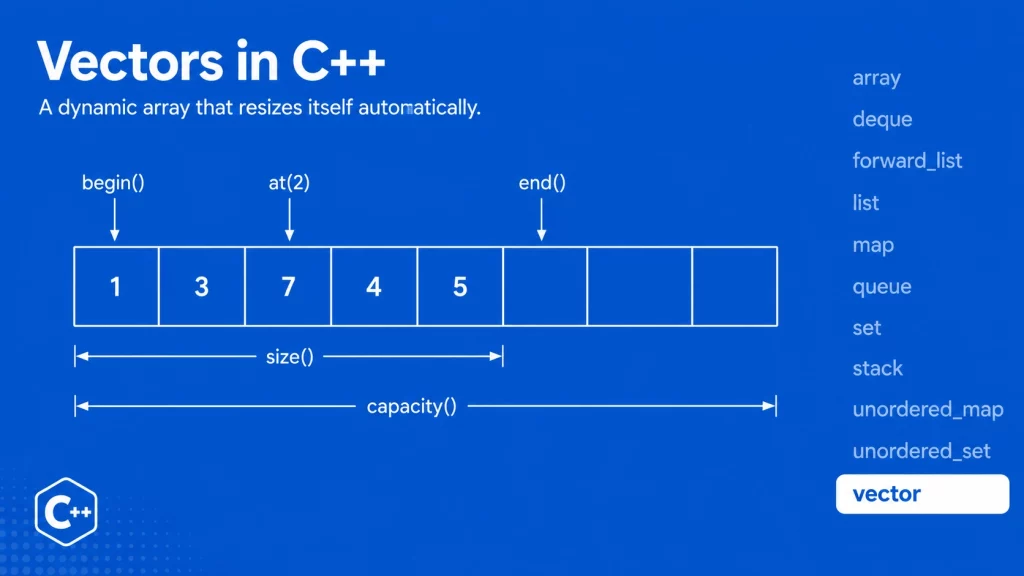
std::vector is the workhorse container of modern C++. This guide covers every core operation, performance tips like reserve(), 2D vectors, and when to use it over arrays and lists.

Coding competitions are the fastest way to sharpen your problem-solving skills. Here are the best competitive programming platforms and contests to enter in 2026, for every level.
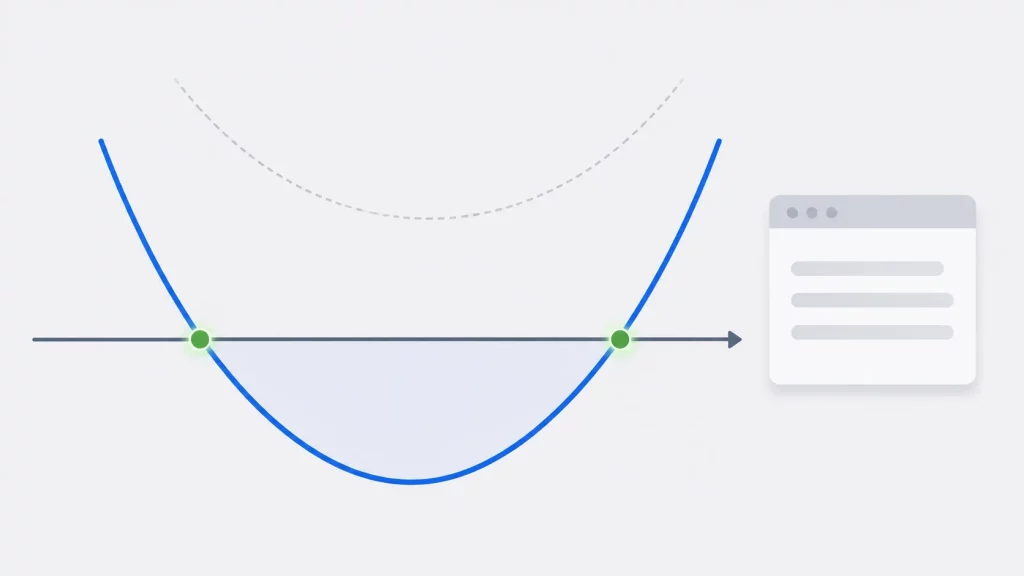
A complete quadratic equation solver with tested code in five languages: discriminant cases, complex roots, edge cases and floating-point precision.

Four lines, one line of output, and more going on underneath than any tutorial admits. A tested walkthrough from source file to running binary.

File handling in C++ uses the stream classes ifstream, ofstream and fstream. Tested examples cover reading, writing, errors, binary files and C++17.

The ternary operator (?:) picks between two values in one expression. Tested examples: nesting, constexpr, auto, performance, and C vs C++ rules.