Application Structure
Let’s begin by looking at the structure of a C# application. Every C# application contains certain elements. The application begins […]
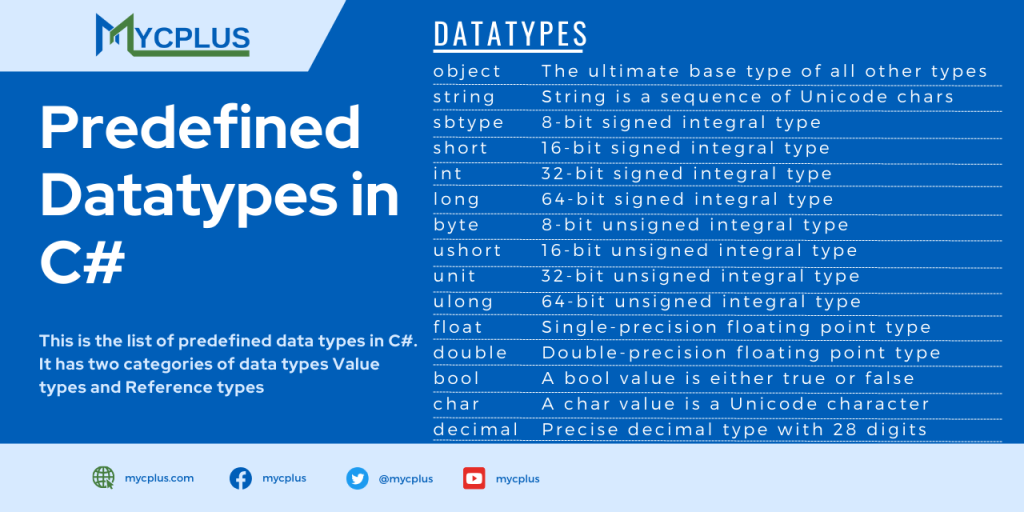
Here we will see the data types available in C#. Before examining the data types in C#, first we will try to understand the C# have two categories of data types. Value types and Reference types. Value type data type is that which stores the value directly in the memory. Its just like int, float and double. But reference types variables only store the reference of the memory where the actual value is.
The real nuts and bolts of a programming languages is that which controls the flow of a program called statements.
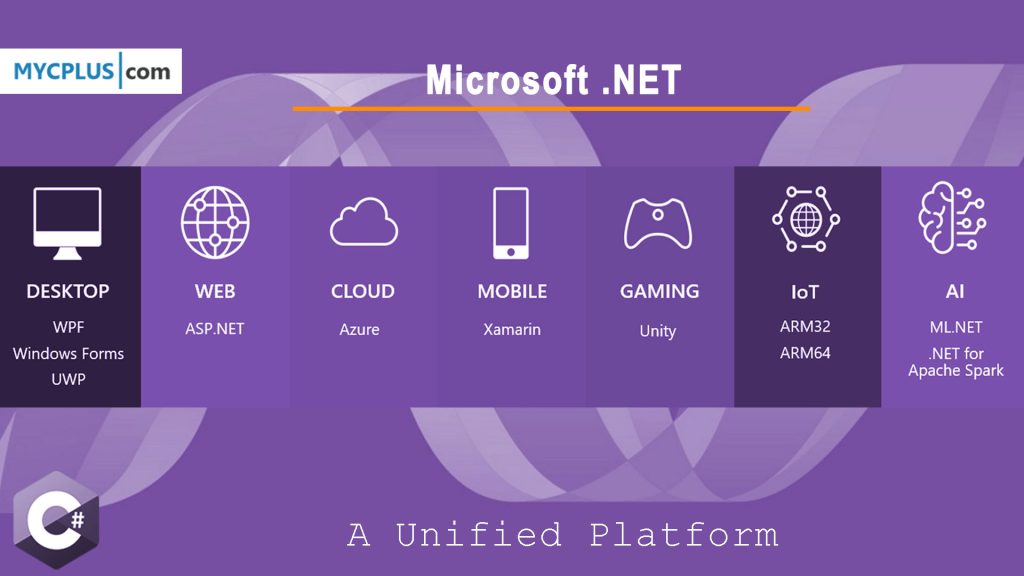
The Microsoft .NET, more commonly known as simply the .NET Framework, is a software development platform created by Microsoft. The
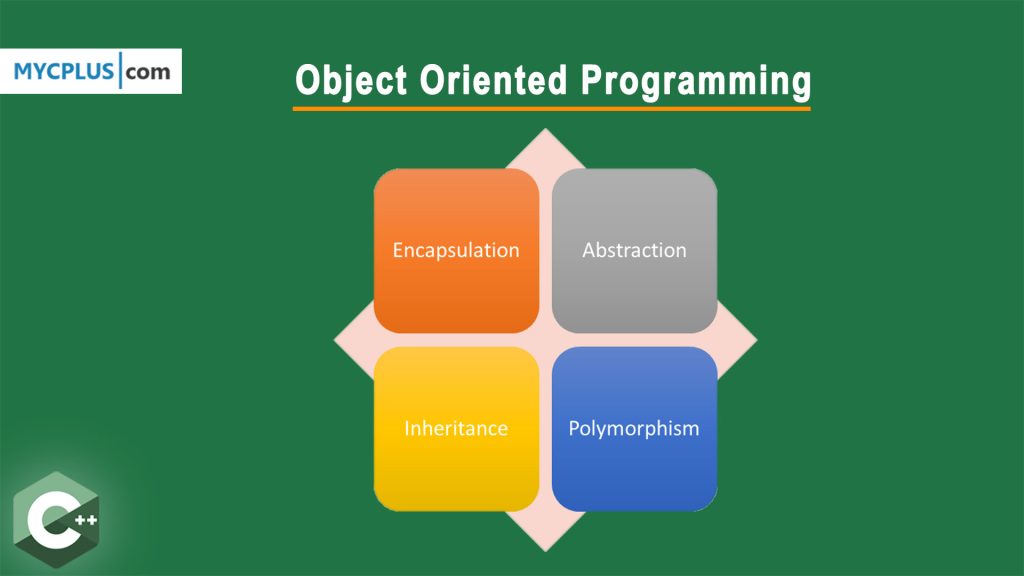
Any program which uses these five methodologies or any of it, we can call that program object oriented. They are Encapsulation, Data Hiding, Overloading, Polymorphism, Inheritance. Any programming language which supports all of these features and facilitate the programmer in developing the program in these methodologies is called Object Oriented Programming Language i.e. C++, Java, C#.
The basic idea behind the Object Oriented Programming is that it deals with the objects. In real life everything is an object and every object has properties and functionality.
If we say that a particular programming language is Object Oriented then it means, the programming language must have the
In real life inheritance is what we acquire from our parents. For example our lifestyle, way of talking etc… In
The STL (Standard Template Library) was originally a third-party library from HP and later SGI, before its incorporation into the C++ standard. The standard does not refer to it as “STL”, as it is merely a part of the standard library, but many people still use that term to distinguish it from the rest of the library (input/output streams [known as IOstreams], internationalization, diagnostics, the C library subset, etc.).
As opposed to a constructor, a destructor is called when a program has finished using an instance of an object.
A constructor is a special method that is created when the object is created or defined. This particular method holds the same name as that of the object and it initializes the instance of the object whenever that object is created. The constructor also usually holds the initialization of the different declared member variables of its object.
The 1998 C++ standard consists of two parts: the core language and the C++ standard library; the latter includes most