Programming Tutorials

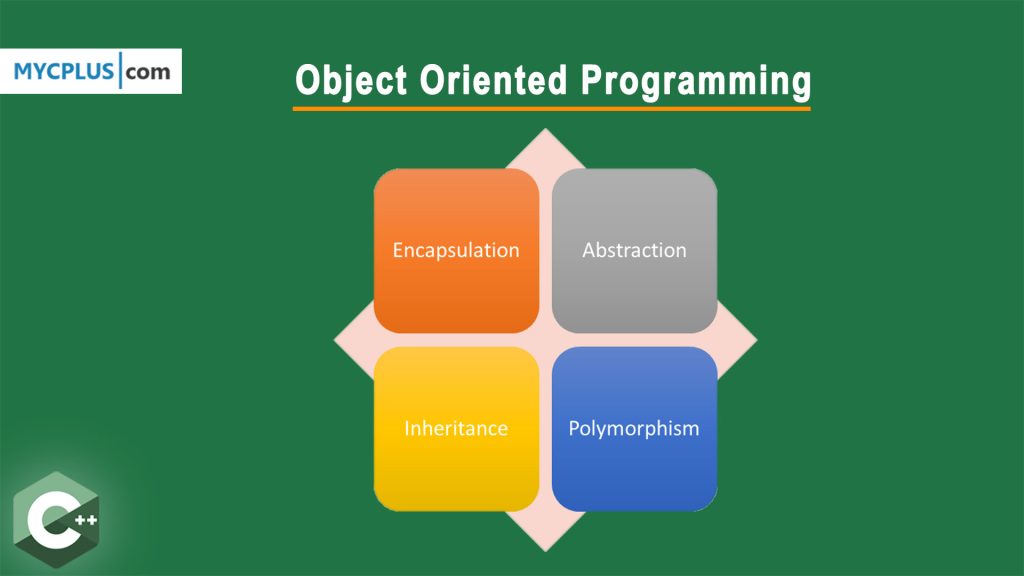
Object Oriented Programming

Polymorphism: Object Oriented Programming (OOP)

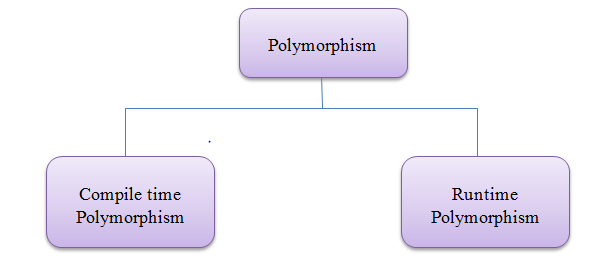
In OOP terms, polymorphism represents the ability to resolve a reference to an object’s method at run time. Specifically, different objects could make a call to a Draw or Print method, and these methods would act differently with each object; the process can take different forms behind a common interface. One of the benefits of polymorphism is that because the interface is common to objects, any object is able to respond differently to some common set of tasks, and objects are independent of each other.

Predefined Datatypes in C#

Predefined Datatypes in C#

Here we will see the data types available in C#. Before examining the data types in C#, first we will try to understand the C# have two categories of data types. Value types and Reference types. Value type data type is that which stores the value directly in the memory. Its just like int, float and double. But reference types variables only store the reference of the memory where the actual value is.

The C++ Standard Library

STL: The C++ Standard Template Library

The STL (Standard Template Library) was originally a third-party library from HP and later SGI, before its incorporation into the C++ standard. The standard does not refer to it as “STL”, as it is merely a part of the standard library, but many people still use that term to distinguish it from the rest of the library (input/output streams [known as IOstreams], internationalization, diagnostics, the C library subset, etc.).

Microsoft .NET

All About Microsoft .NET

The Microsoft .NET, more commonly known as simply the .NET Framework, is a software development platform created by Microsoft. The

Basics of Encapsulation in C++

Understanding the Basics of Encapsulation in C++

Encapsulation is a fundamental concept in Object Oriented Programming (OOP) that involves bundling data (attributes) and methods (functions) into a single unit known as a class. This encapsulated unit acts as a self-contained module which enhances code organization and promotes a more intuitive and manageable structure for programmers.

Functions in C++

Functions in C++ Programming

Functions are the building blocks of any programming language. In C++, a function is a block of code that performs a specific task. Think of it as a mini-program within your main program, designed to execute a particular operation. Functions are like building blocks that help break down complex problems into manageable chunks, making your code more readable and modular.

Scroll to Top