Programming Tutorials

Types of Polymorphism in C++

Polymorphism in C++

Simply speaking, polymorphism is the ability of something to be displayed in multiple forms. Let’s take a real life scenario; a person at the same time can perform several duties as per demand, in the particular scenario. Such as, a man at a same time can serve as a father, as a husband, as a son, and as an employee. So, single person possess different behaviors in respective situations. This is the real life example of polymorphism. Polymorphism is one of the important features of Object Oriented Programming (OOP).

Advanced C++ Inheritance Techniques

Advanced C++ Inheritance Techniques for Effective Object-Oriented Programming

In Object Oriented Programming Inheritance is the process by which objects of one class acquire the properties and functionality of objects of another class. In the last tutorial on inheritance in C++ we developed a model using modes of transportation to illustrate the concept of inheritance. In this article we will use that model to illustrate some of the finer points of inheritance and what it can be used for.

Arrays in C Programming

Arrays in C Programming

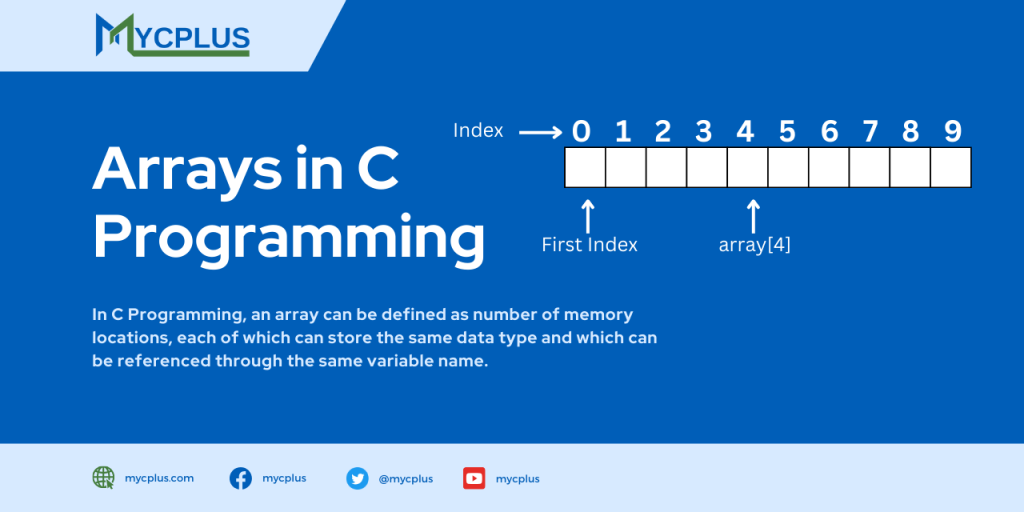
In C Programming, an array can be defined as number of memory locations, each of which can store the same data type and which can be referenced through the same variable name. Arrays can be of two types i.e. One Dimensional Array (such as lists) and Multidimensional Arrays (such as tables or matrices).

Conditional Statements in C

Conditional Statements – Decision Statements – if, else

C programs are executed in a sequence, but we can control the execution of program by using any control mechanism by which we can compare things and come to a decision. This involves using some operations called Relational Operators, conditional statements called if-else and loops. We have fundamental operators to compare two values.

Working with Pointers

Working with Pointers in C

A pointer is a variable that represents the location of a data item, such as a variable or an array element. Pointers are used frequently in C, as they have a number of useful applications. For example, pointers can be used to pass information back and forth between a function and its reference point. Pointers provide a way to return multiple data items from a function via function arguments to
be specified as arguments to a given function.
Union in C Programming

Union in C Programming

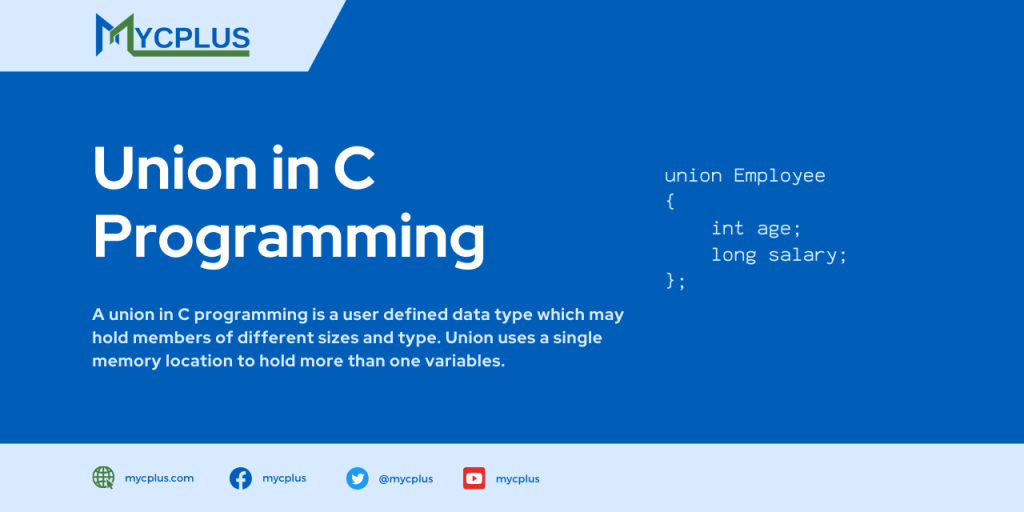
A union in C programming is a user defined data type which may hold members of different sizes and type. Union uses a single memory location to hold more than one variables. However, only one of its members can be accessed at a time and all other members will contain garbage values. A structure is a convenient tool for handling a group of logically related data items. Structure help to organize complex data is a more meaningful way. It is powerful concept that we may after need to use in our program Design.

graphics.h Reference

256-Color VGA Programming in C

This tutorial covers many topics in VGA programming in the C programming language. Tutorial assumes that the programmers have a comprehensive understanding of C and should also have a familiarity with DOS and BIOS function calls and interrupts. Knowledge of trigonometry and geometry would also be helpful.

DirectX

Microsoft DirectX Programming: DirectX Components

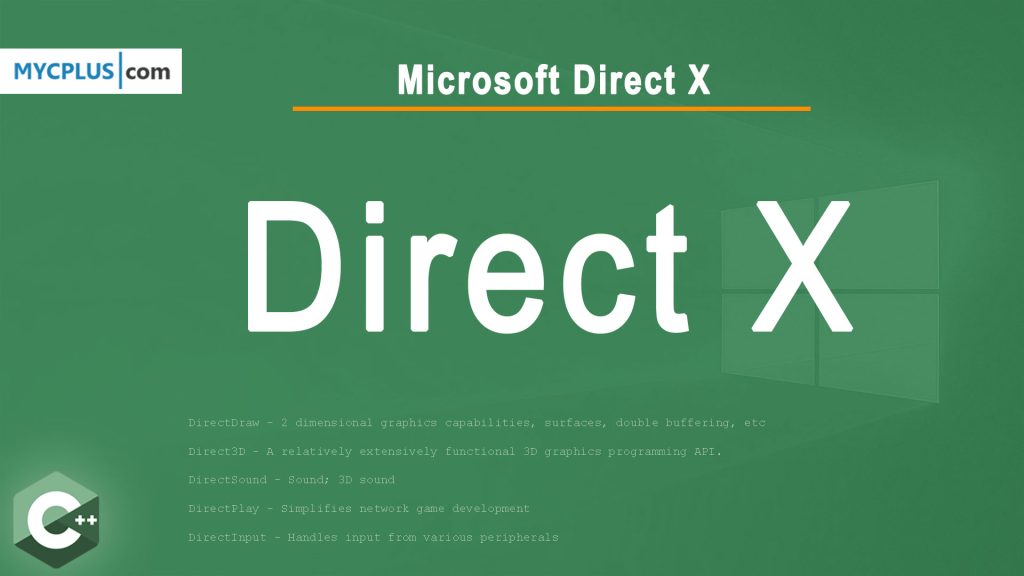
Microsoft DirectX is a set of application programming interfaces (APIs) for multimedia-related tasks, such as gaming, video playback, and graphics rendering. DirectX provides a standardized way for software developers to access hardware resources like graphics cards, sound cards, and input devices.

DirectX

Direct3D Retained mode sample

Over here I’ll shove in some basics, like coordinate systems, world and object coordinate systems, etc. For now I’ll assume you’re at least a little familiar with 3D programming. Blah blah blah, differences between immediate and retained mode, etc etc.

DirectX

Direct X and its Components

One of the main purposes of DirectX is to provide a standard way of accessing many different proprietary hardware devices. DirectX is comprised of application programming interfaces (APIs) that are grouped into two classes: The DirectX Foundation layer and The DirectX Media layer. These APIs enable programs to directly access many of your computer”s hardware devices.

Scroll to Top