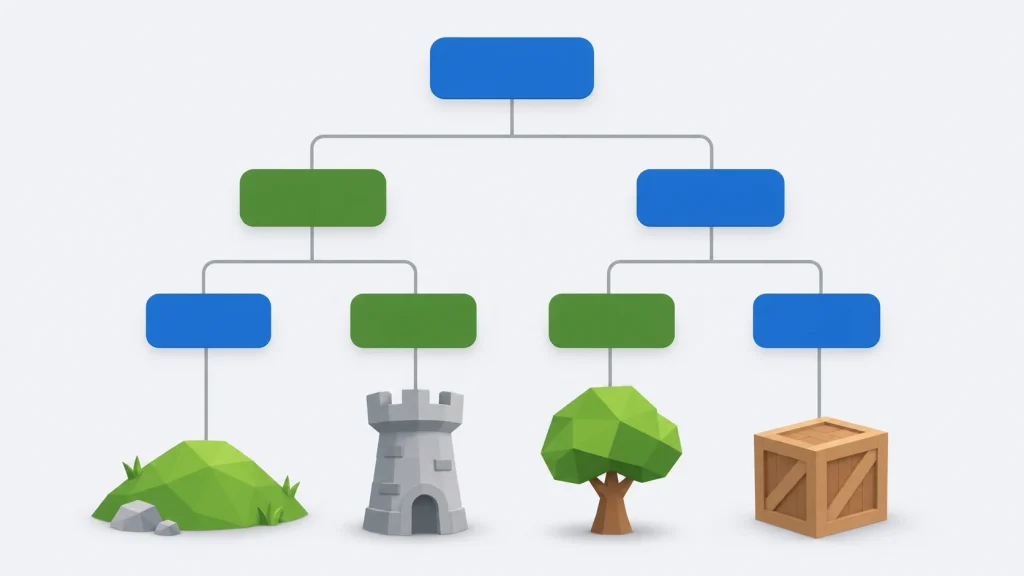
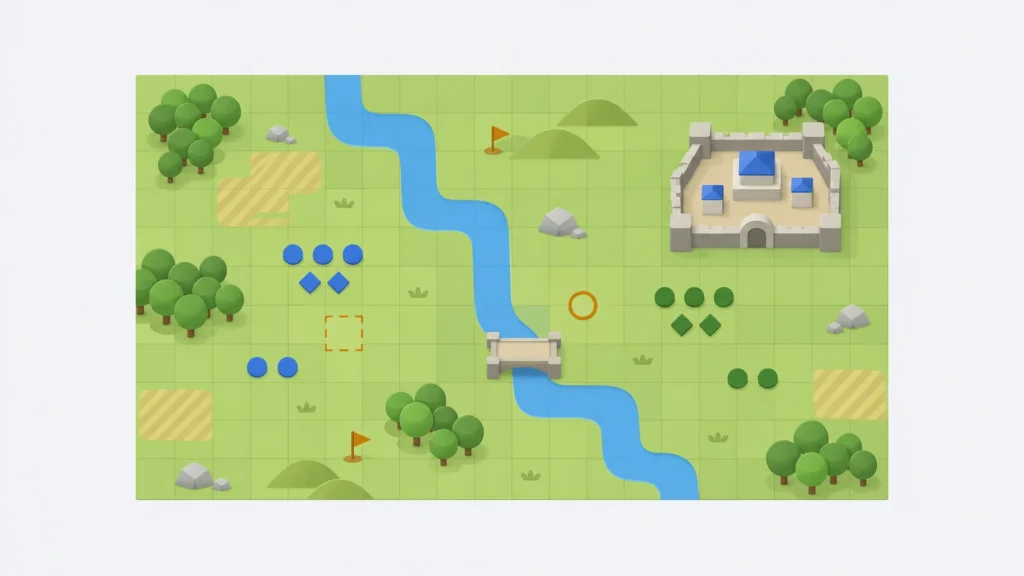
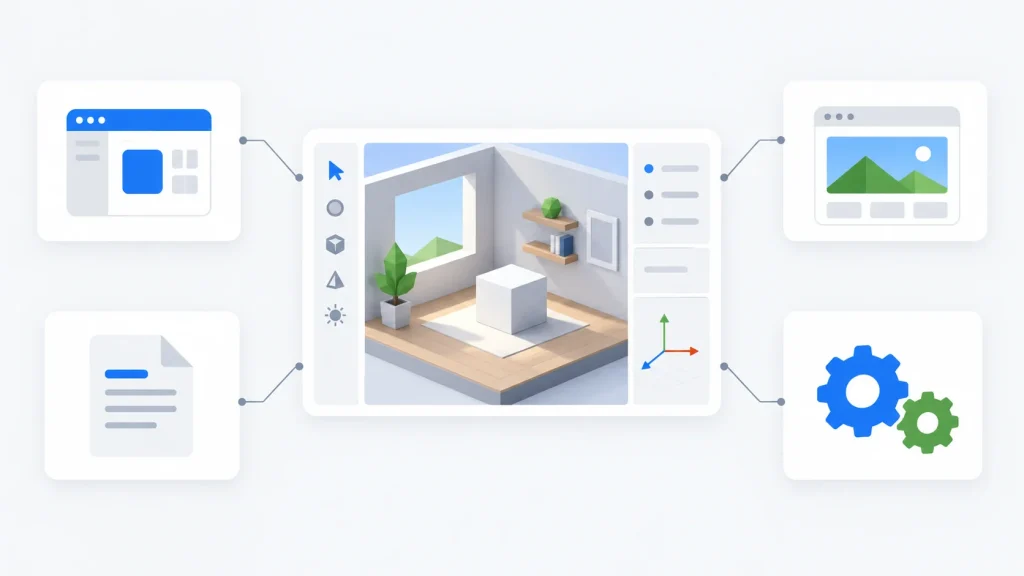
A game engine is the software layer every game is built on: the renderer, physics, audio, input, scripting and tools that turn assets and code into something playable. Knowing how engines are built — and why some lasted decades while others vanished — is one of the fastest ways to understand real-time C++ programming.
MYCPLUS has been documenting game engines since 2004. This section profiles commercial, open-source and historical engines one at a time. Each one gets a look at its architecture, its scripting model, its license, and a checked list of the games actually built on it, so you don’t have to rely on the attributions copied around the web.
Every profile covers the engine’s status in 2026: whether it’s still maintained, which fork carries it forward, and what to use instead if it has gone. Whether you’re picking an engine for a project, studying engine source code or researching a classic game, start here.
What You’ll Learn
Why MYCPLUS: Engine profiles that check every game attribution against a named source, correct the myths repeated elsewhere, and state each engine’s 2026 status, from the site that has covered game development since 2004. For graphics programming and C++ game code, see the Game Development hub.