

Best C++ Game Engines and Games Made in C++ (100+ Engines, 2026)
C++ runs under the hood of nearly every landmark game. This directory maps 100+ engines, and the famous games each one powered, to help you choose the right one.
C++ runs under the hood of nearly every landmark game. This directory maps 100+ engines, and the famous games each one powered, to help you choose the right one.

Moai gave indie studios a C++ core with Lua on top, and powered several notable games before development stopped. Here’s the verified status — including the date of the last commit — and the Lua engines to move to.

Snowdrop is the in-house C++ engine behind The Division, Avatar: Frontiers of Pandora and Star Wars Outlaws. Here’s the verified game list, the technology, and a straight answer on downloading it.

Brian Barnes’s dim3 was an Apple staff pick and one of the friendliest ways to build a 3D game on a Mac. Here’s what it did, why development stopped after 2014, and what its creator builds now.

Cocos2d isn’t one engine but a family — the Python original, the famous C++ Cocos2d-x (now deprecated), and the rewritten Cocos Creator that replaced it. Here’s the untangled version history, the genuinely Cocos-built games (Geometry Dash yes, FarmVille no), current 2026 status, and how it stacks up against Unity and Godot for 2D.

The Creation Engine is Bethesda Game Studios’ proprietary C++ engine behind Skyrim, Fallout 4, Fallout 76 and Starfield — a Gamebryo fork rewritten almost beyond recognition over fifteen years. Here’s the verified version history, the newly announced Creation Engine 3 powering The Elder Scrolls VI and Fallout 5, and why Bethesda keeps saying no to Unreal.

Bork3D was a commercial C++ engine from two-person studio Bork 3D LLC, powering early iPhone and iPad games before being open-sourced in full — engine, game and art — in 2015. Here’s its verified history, the games actually built on it, and why the dormant codebase is still worth reading.
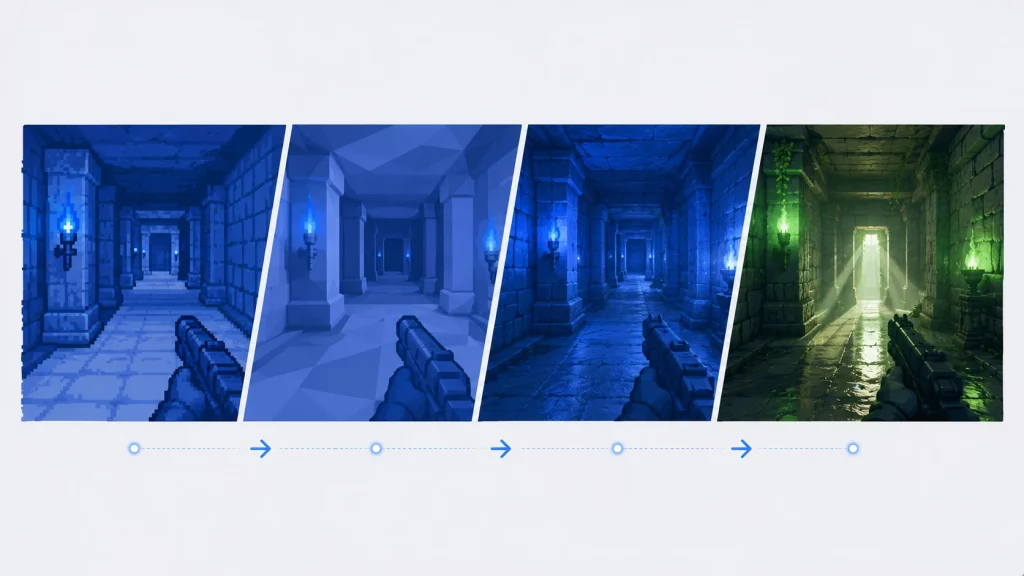
id Tech built the FPS genre: Doom, Quake, and thirty years of Carmack-grade engineering, now at id Tech 8. Every version, every game, all in one place.

PhyreEngine quietly powered Journey, Gravity Rush, and Falcom’s RPGs. How Sony’s free engine worked, who used it, and where it stands today.
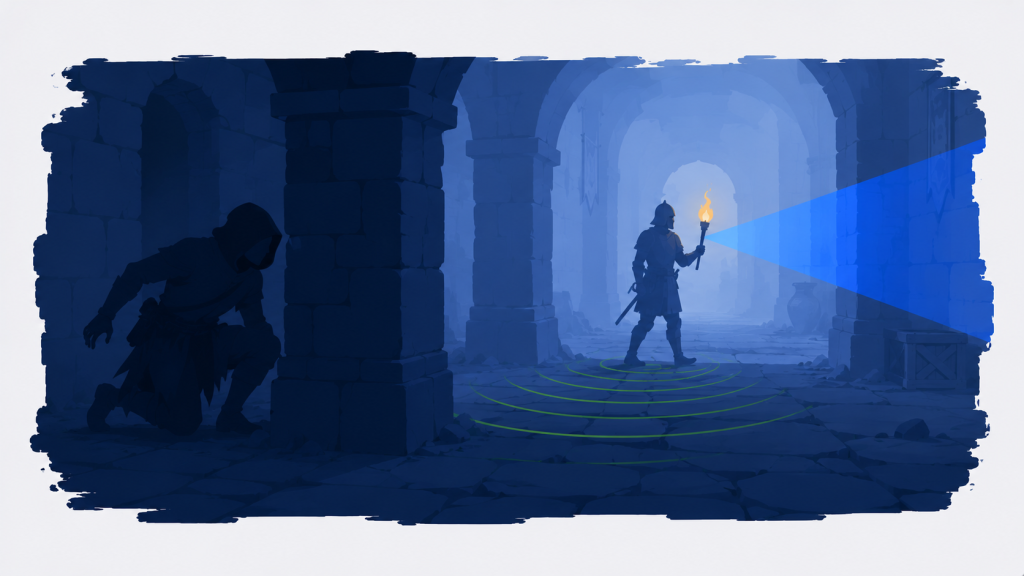
Dark Engine gave Thief its shadows and System Shock 2 its scares. How Looking Glass built gaming’s smartest AI in 1998 — and why it still runs today.

REDengine carried The Witcher and Cyberpunk 2077 to glory, then CD Projekt Red retired it for Unreal Engine 5. The full story of a landmark engine.

Unreal Engine powers everything from Fortnite to Game-of-the-Year winners. Here’s how UE5’s Nanite and Lumen work, the games it built, Unreal vs Unity, pricing, and how to start.