
Game Engine Guides — Architecture, History and the Games Built on Them

Flat blue illustration of a wireframe cube on stacked engine layers, a tactical tile grid with pawns and a branching tree of engine blocks, representing game engine architecture and engine lineages

A game engine is the software layer every game is built on: the renderer, physics, audio, input, scripting and tools that turn assets and code into something playable. Knowing how engines are built — and why some lasted decades while others vanished — is one of the fastest ways to understand real-time C++ programming.

MYCPLUS has been documenting game engines since 2004. This section profiles commercial, open-source and historical engines one at a time. Each one gets a look at its architecture, its scripting model, its license, and a checked list of the games actually built on it, so you don’t have to rely on the attributions copied around the web.

Every profile covers the engine’s status in 2026: whether it’s still maintained, which fork carries it forward, and what to use instead if it has gone. Whether you’re picking an engine for a project, studying engine source code or researching a classic game, start here.

What You’ll Learn

Why MYCPLUS: Engine profiles that check every game attribution against a named source, correct the myths repeated elsewhere, and state each engine’s 2026 status, from the site that has covered game development since 2004. For graphics programming and C++ game code, see the Game Development hub.

Flight Gear Simulator

PLIB – A Suite of Portable Game Libraries

PLIB is a set of multi-platform and open source libraries for the development of games. It is written by Steve Baker in 1997. PLIB is written in C++. It supports Windows, Linux, UNIX and MacOS. PLIB is licensed under Library GNU Public License (LGPL 2.0). The latest and the stable version of PLIB is v.1.8.5 that was released in October, 2006.

Outpost

ORX – Portable 2D Game Engine

ORX is a cross platform, open source, portable, 2D oriented game engine developed by ORX Projects. This game engine is written in C/C++. It runs on Windows, Mac OS X, Linux, Android and IOS. Most stable version of ORX is released In May 10, 2020. ORX is published under a free software license called ZLIB license.

toy game engine

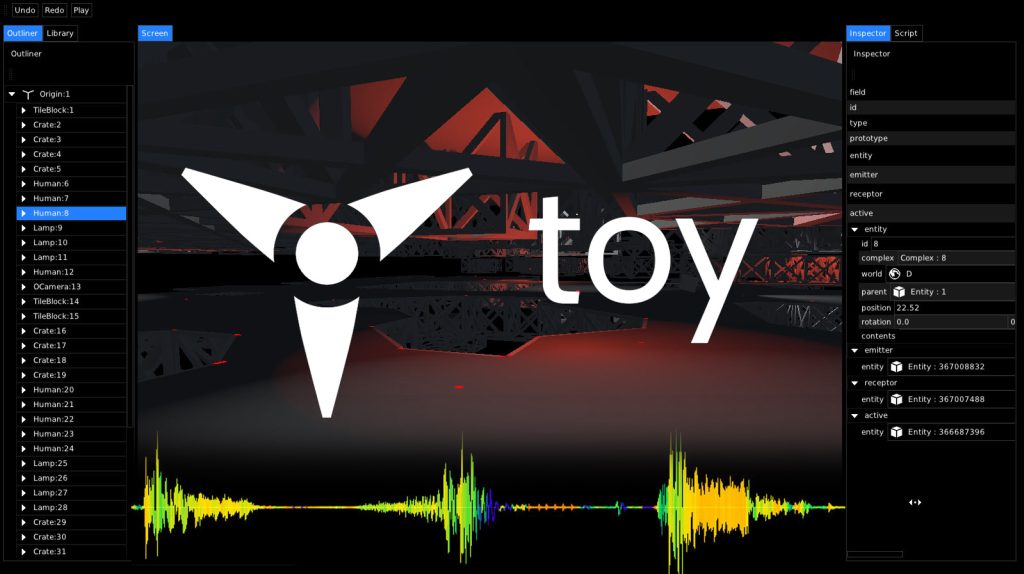
Toy Game Engine: The Thin C++ Game Engine

The “Toy Game Engine” is a thin and modular Game Development Engine that is developed in C++ Programming Language. The Aim of this engine is to provide the thinnest and simplest stack of technology for making games just by using simple c++ code. The Toy Game offers simple user interface, rendering maps, audio, and it provides a seamless extension of game code with no cost. It has different tools, editors, and scripting tools, to design fully functional 2d or 3d games in less time.

Scroll to Top