

GoldSrc: The Half-Life Engine’s History, Games and Legacy
The engine behind Half-Life and Counter-Strike: where the GoldSrc name came from, what Valve built on top of Quake, which games really used it, and its status in 2026.

A game engine is the software layer every game is built on: the renderer, physics, audio, input, scripting and tools that turn assets and code into something playable. Knowing how engines are built — and why some lasted decades while others vanished — is one of the fastest ways to understand real-time C++ programming.
MYCPLUS has been documenting game engines since 2004. This section profiles commercial, open-source and historical engines one at a time. Each one gets a look at its architecture, its scripting model, its license, and a checked list of the games actually built on it, so you don’t have to rely on the attributions copied around the web.
Every profile covers the engine’s status in 2026: whether it’s still maintained, which fork carries it forward, and what to use instead if it has gone. Whether you’re picking an engine for a project, studying engine source code or researching a classic game, start here.
Why MYCPLUS: Engine profiles that check every game attribution against a named source, correct the myths repeated elsewhere, and state each engine’s 2026 status, from the site that has covered game development since 2004. For graphics programming and C++ game code, see the Game Development hub.
The engine behind Half-Life and Counter-Strike: where the GoldSrc name came from, what Valve built on top of Quake, which games really used it, and its status in 2026.
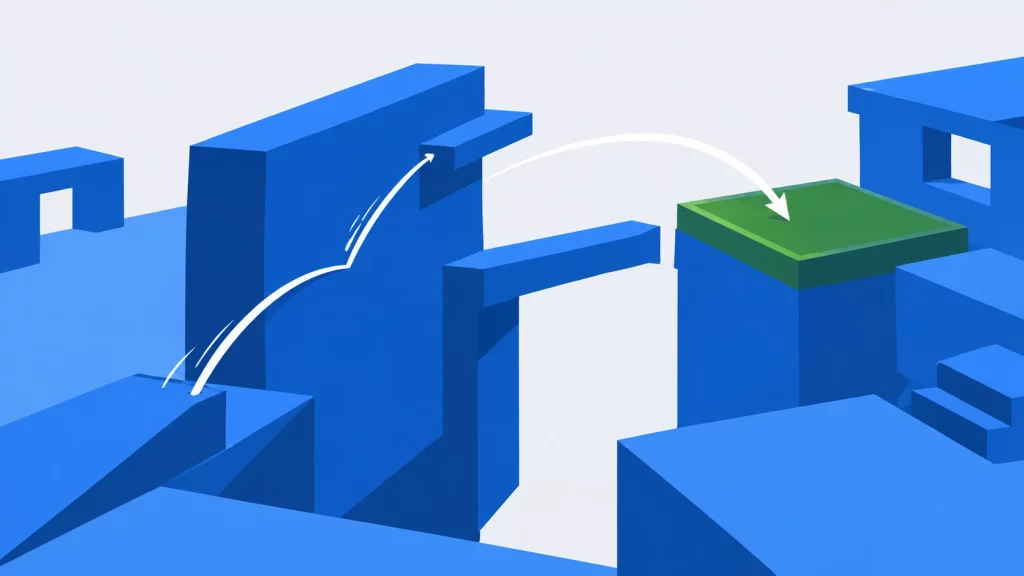
qfusion no longer means one repository — it means three, and they have diverged. Here’s the upstream, Warsow’s fork and Warfork’s, when each was last touched, and which one to build from.

Ubisoft Montpellier built Jade for one game and named it after its heroine. It ended up carrying the Prince of Persia reboot. Here’s every game verified on it — and why the Beyond Good & Evil sequel isn’t one.

Capcom turned down Unreal and built its own engine instead. Here’s every MT Framework version and what ran on it, why RE Engine replaced it, and why it was still shipping games in 2025.
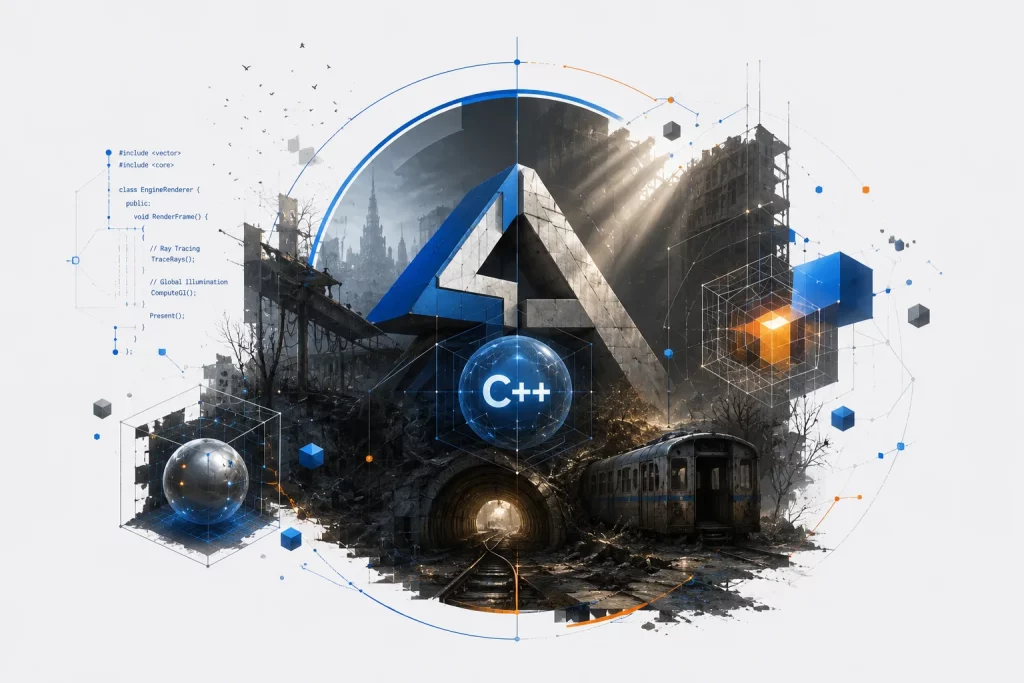
In 2021, 4A Games removed the rasterised lighting path from Metro Exodus entirely — every light is ray traced, with no fallback. Here’s the engine behind the Metro series, and why you can’t download it.

Techland’s engine, not Google’s browser. Chrome Engine 6 powered Dying Light in 2015 — but Dying Light 2 runs on something else entirely. Here’s the version-by-version map and what Techland builds on today.
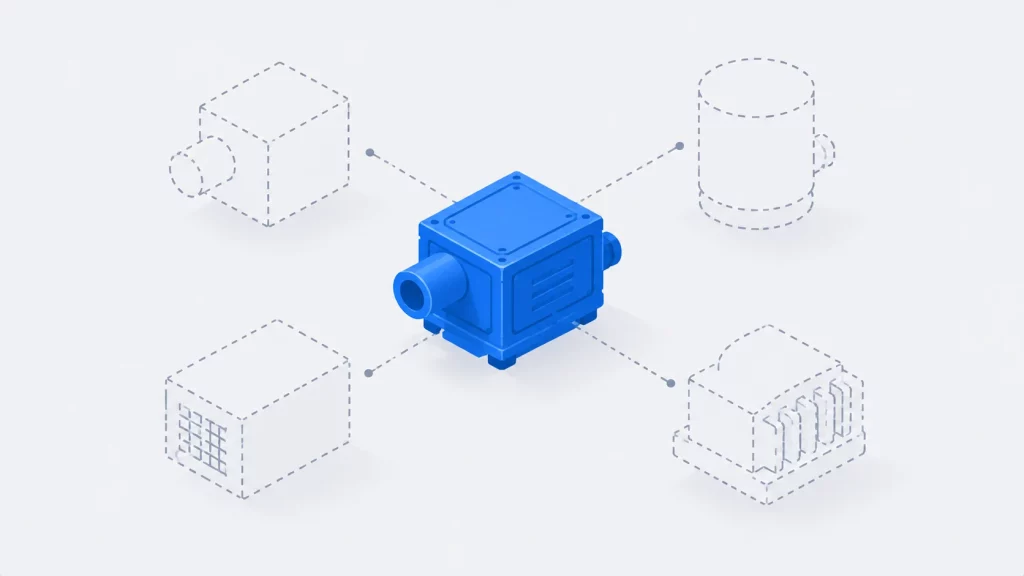
OGRE draws things. Physics, audio and gameplay are your problem — which is exactly why it shows up inside other people’s engines and in robotics. Here’s the OGRE 1.x versus OGRE-Next split, and which to pick.

ShiVa put 3D games on the iPhone before most people thought it was practical. In March 2023 its makers stopped selling it and stopped fixing it. Here’s the status, and the migration path its own team recommended.

The Banshee Engine repository is a dead link, so the project looks abandoned. It isn’t — it renamed twice, dropped its editor, and shipped commits this month as B3D Framework.

Fifty thousand people downloaded UDK in its first week. Five years later Epic gave away something better and killed it. Here’s what UDK actually was, the $99-and-25% deal behind it, and what to do with an old project.

Two engines, one confusing name. Source is source-available and non-commercial; Source 2 is proprietary and has never been released. Here’s what each one runs, and exactly what Valve lets you build.

Two of HPL’s three generations are on GitHub under GPLv3. The one powering SOMA and Amnesia: The Bunker is not. Here’s the split, the verified game list, and what you can actually build with it.