
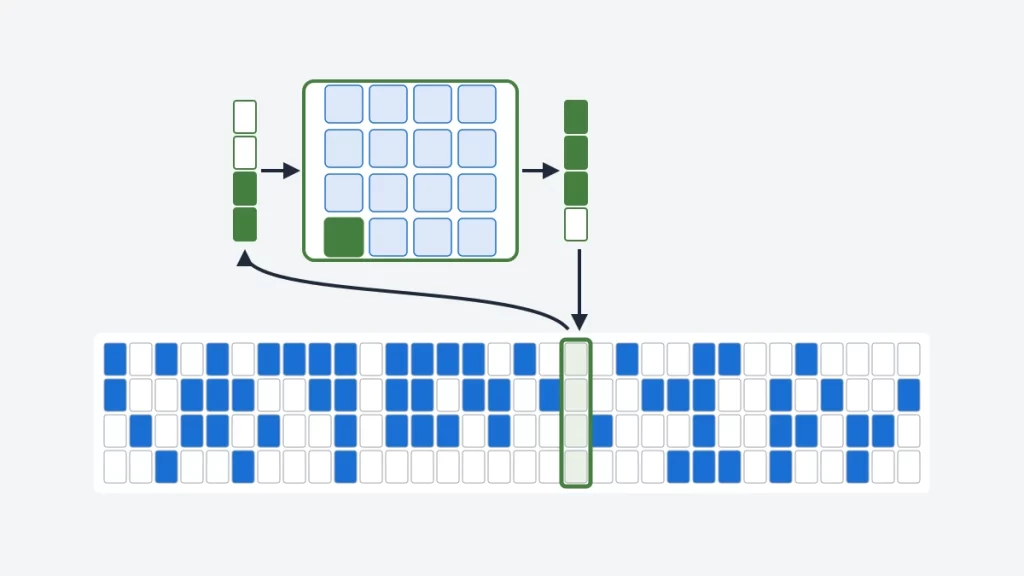
Serpent Cipher Explained: How It Works, With Code in C, C++, Java, Python and C#
The AES finalist with a 32-round safety margin: how Serpent works, why two correct versions disagree, and four mistakes that a round-trip test misses.
The AES finalist with a 32-round safety margin: how Serpent works, why two correct versions disagree, and four mistakes that a round-trip test misses.

How abstract classes, interfaces and Python protocols separate what code does from how, with a testable clock example in C++, Java and Python.
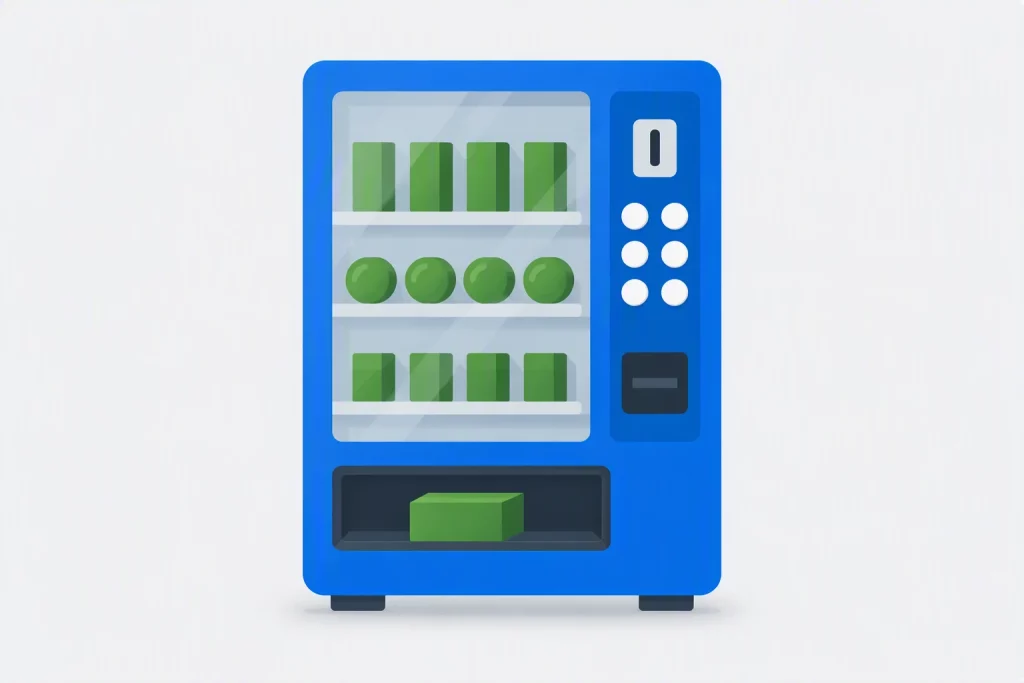
How private state and checking methods keep an object valid, why a getter can leak it, and how Python gets encapsulation from properties and convention.

One base class and two subclasses written in C++, Java and Python, the five types of inheritance, and why a subclass counted six tags when three were added.
What changes when a C++ class has two bases: offsets, ambiguous names, a duplicated base in the diamond, and who constructs a virtual base class.

How C++ inheritance works and where it fails quietly: default private bases, hidden overloads, a missing virtual destructor, and arrays of derived types.
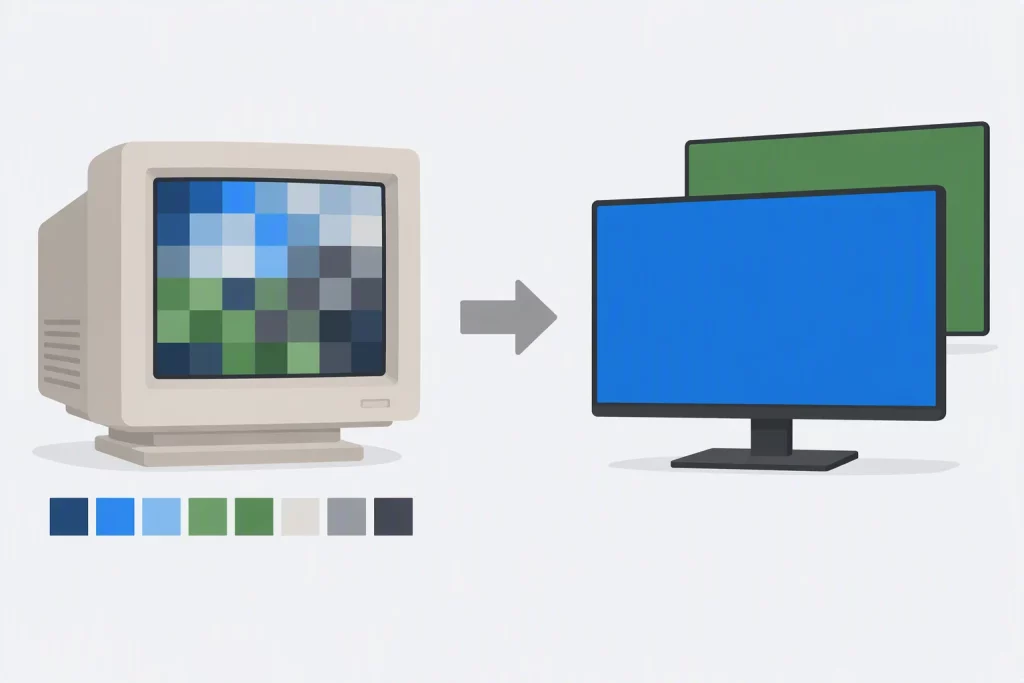
A history of DirectX from Windows 95 to DirectX 12 Ultimate, with pixel formats, palettes, pitch and double buffering explained in tested C code.
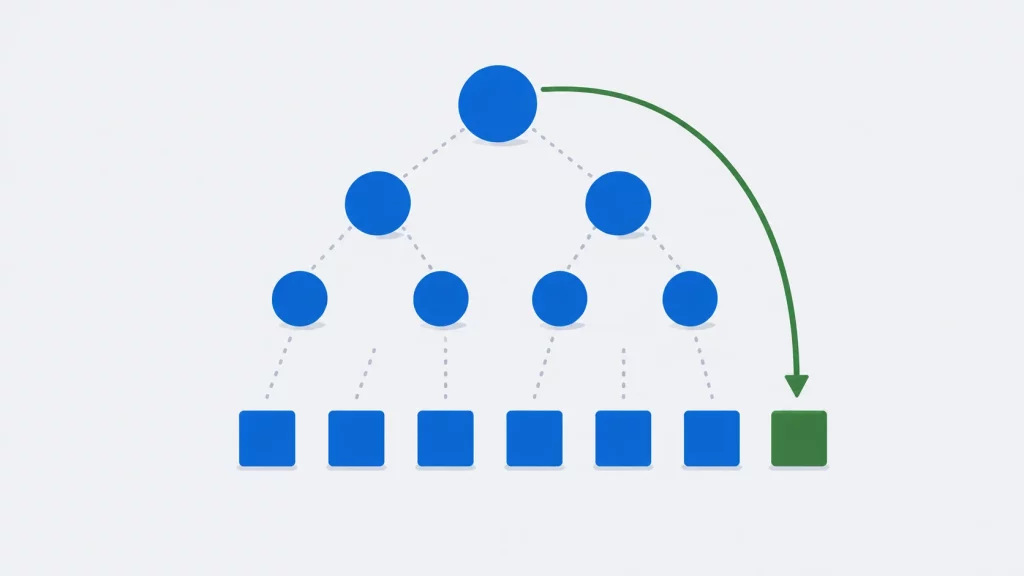
Heap sort is O(n log n) in place on every input. How the heap lives in an array, code in five languages, and what the guarantee costs against quicksort.
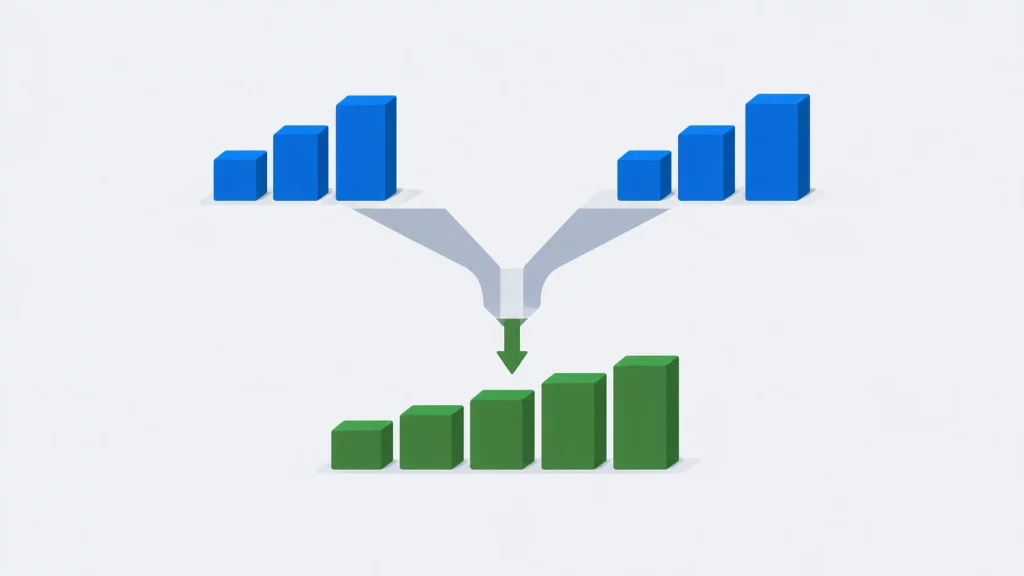
Merge sort is stable and O(n log n) on every input. Code in five languages, measured comparisons and allocations, and four mistakes that compile.

Selection sort always makes n(n − 1)/2 comparisons and at most n − 1 swaps. Code in five languages, measured counts, and three mistakes that sort.
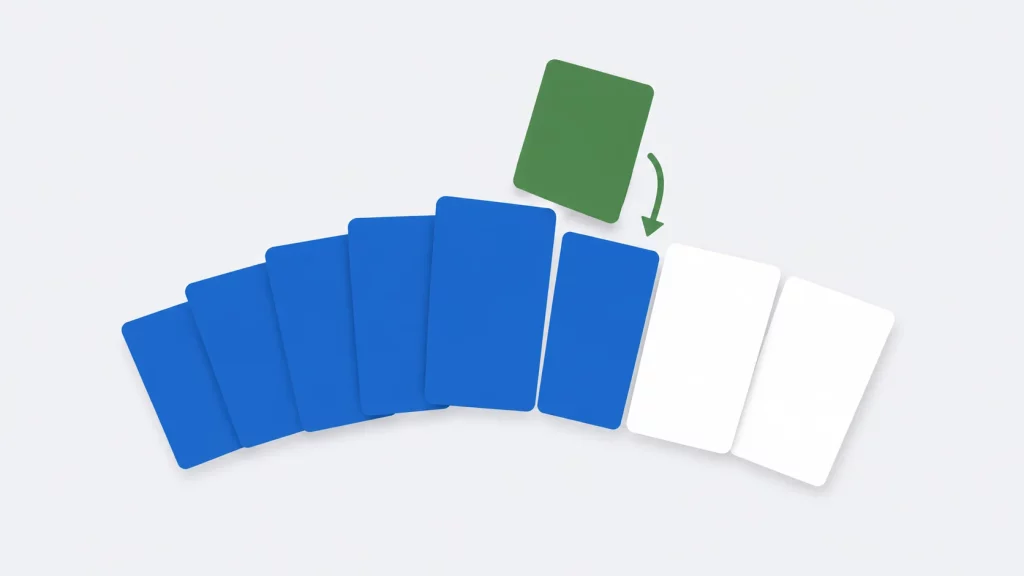
Insertion sort moves one element per out-of-order pair. A traced example, code in five languages, and measurements that show what that costs.

Dreaming of creating your own video games? This step-by-step guide shows you how to start a career in game programming—from learning the right languages to building your first playable projects and landing industry roles. Whether you’re aiming for indie development or AAA studios, this guide has you covered.