
GO – A systems programming language from Google
Google launched Go, a new systems programming language born with concurrency, simplicity and performance in mind. Go is open source […]
Google launched Go, a new systems programming language born with concurrency, simplicity and performance in mind. Go is open source […]

AMD’s Framewave (FW) is a free and open-source collection of image and signal processing routines to accelerate application development, debugging,
This article presents some of the currently available options for open source C/C++ matrix libraries employable within a Linux environment.
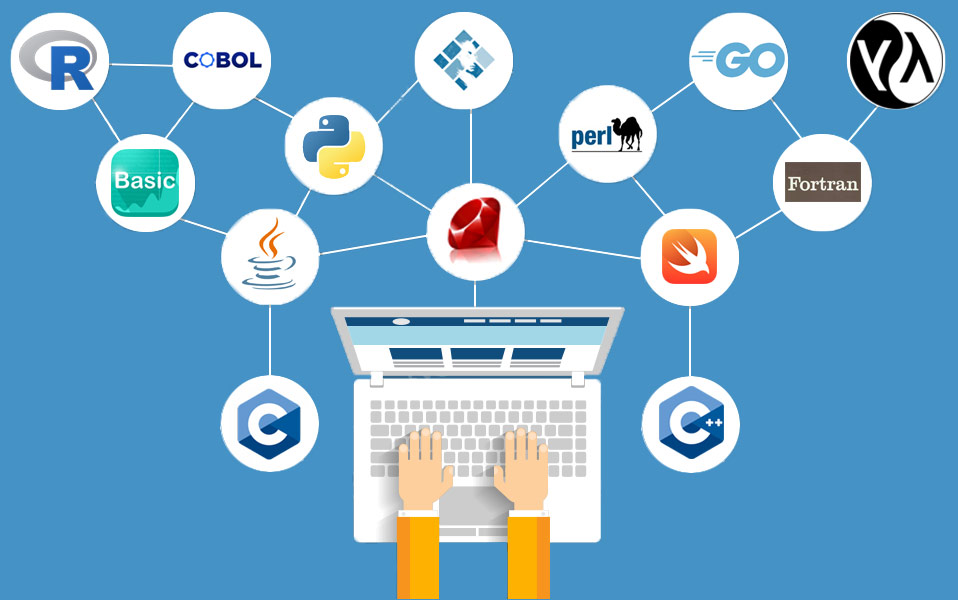
Philips Guo at Stranford University has useful collection of C programming lessons which may be quite useful if you are
The second edition maintains all the book’s popular features and brings it up to date with coverage of the C99 standard. The new edition also adds a significant number of exercises and longer programming projects, and includes extensive revisions and updates.

This is a short document describing the preferred coding style for the Linux kernel. Coding style is very personal, and I won’t _force_ my views on anybody, but this is what goes for anything that I have to be able to maintain, and I’d prefer it for most other things too. Please at least consider the points made here.

int is not always 32 bits and long is not always 64. A measured reference to C types, their real sizes, and the conversions that catch people.
Reference standards Don’t in any circumstances refer to Unix source code for or during your work on GNU! (Or to
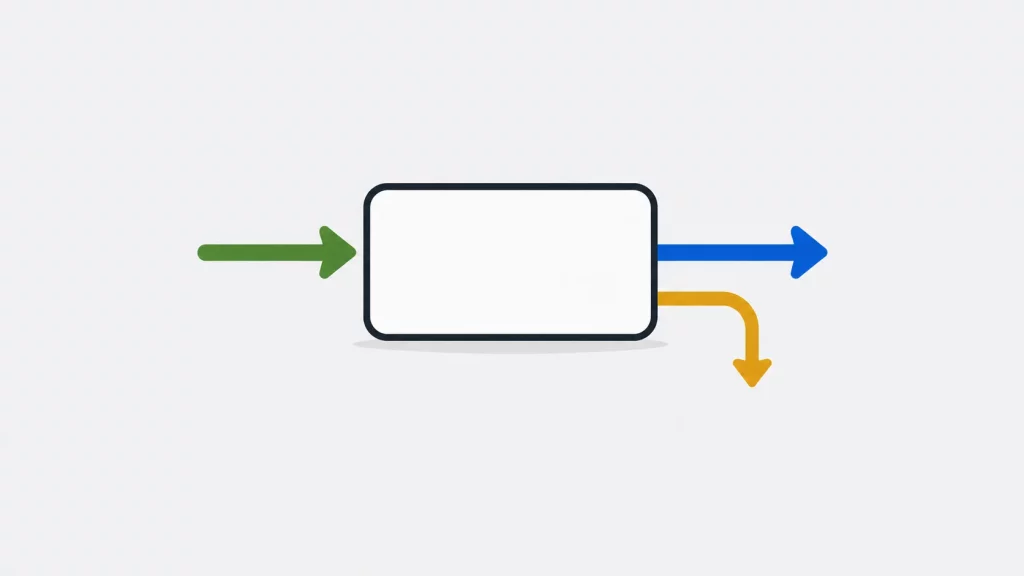
scanf(“%s”) wrote 31 bytes into an 8-byte buffer. A guide to C I/O that shows the unsafe patterns failing rather than just naming them.
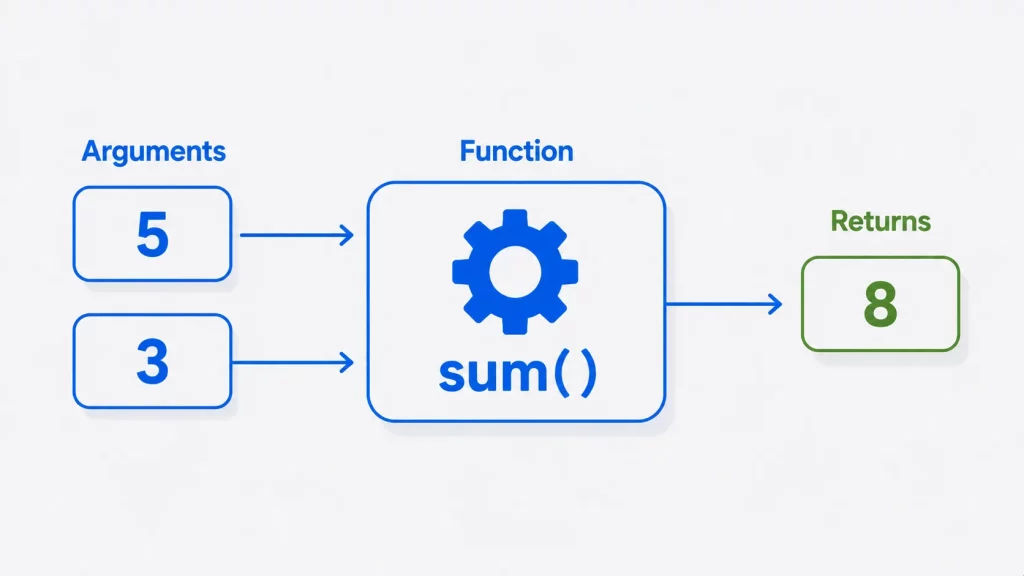
Functions are the building blocks of every C program. This complete guide covers declaration, call by value vs reference, recursion, and function pointers — with tested examples.
This source code is from Thinking in C++, 2nd Edition, Volume 2, by Bruce Eckel & Chuck Allison. You can use Borland, G++ (For version 3 and above only), Microsoft (For C++ with .NET only) to compile and build this source code. Writing perfect software may be a daunting task for developers, but a few defensive techniques which are routinely applied can go a long way toward narrowing the gap between code and ideal. Defensive programming practices are often used where high availability of the application is required, safety if utmost concern, or security is needed for application to work.
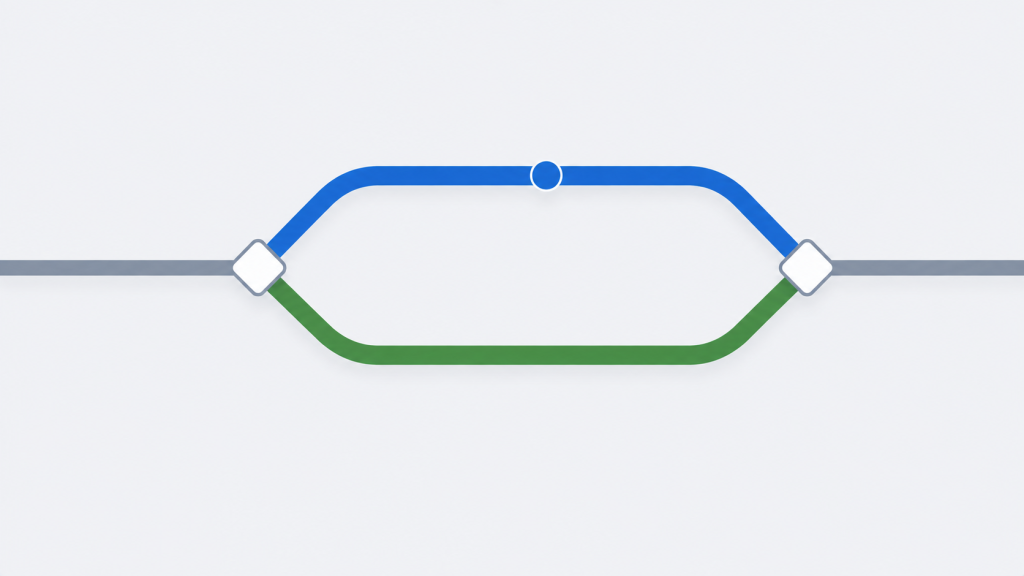
The syntax takes a minute. The five ways it goes quietly wrong take longer — and every one of them compiles without an error.