Computer science is the intellectual foundation beneath every line of code you write. While programming teaches you how to instruct a computer, computer science teaches you why certain approaches work better than others — why one algorithm processes a million records in seconds while another takes hours, why the right data structure makes the difference between elegant and unworkable code, and why the principles of object-oriented design produce software that survives contact with the real world.
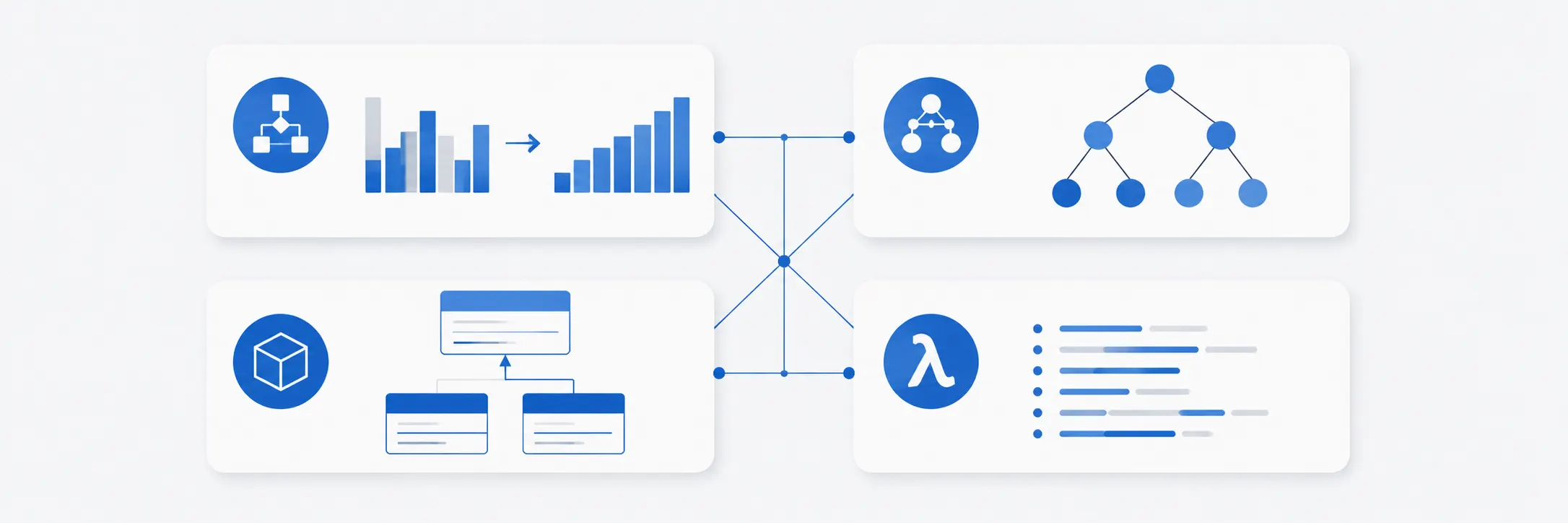
MYCPLUS has been publishing computer science tutorials and practical programming guides since 2004, building a comprehensive resource covering the core theoretical and applied topics that every serious programmer needs to understand. This Computer Science hub brings together four interconnected areas of study — Algorithms, Data Structures, Object-Oriented Programming and Programming Styles — each with its own dedicated section of in-depth tutorials, practical examples and working source code.
Tis section gives you the theoretical understanding and hands-on programming experience to write better software, solve harder problems and think more clearly about how programs work. Whether you are studying for exams, preparing for technical interviews or simply becoming a stronger programmer — start here.
What You’ll Learn
- Algorithms — sorting, searching, graph traversal, dynamic programming and optimisation techniques with working C implementations and complexity analysis for real-world problem solving
- Data structures — arrays, linked lists, stacks, queues, trees, hash tables and graphs with practical C and C++ source code examples and guidance on choosing the right structure for every problem
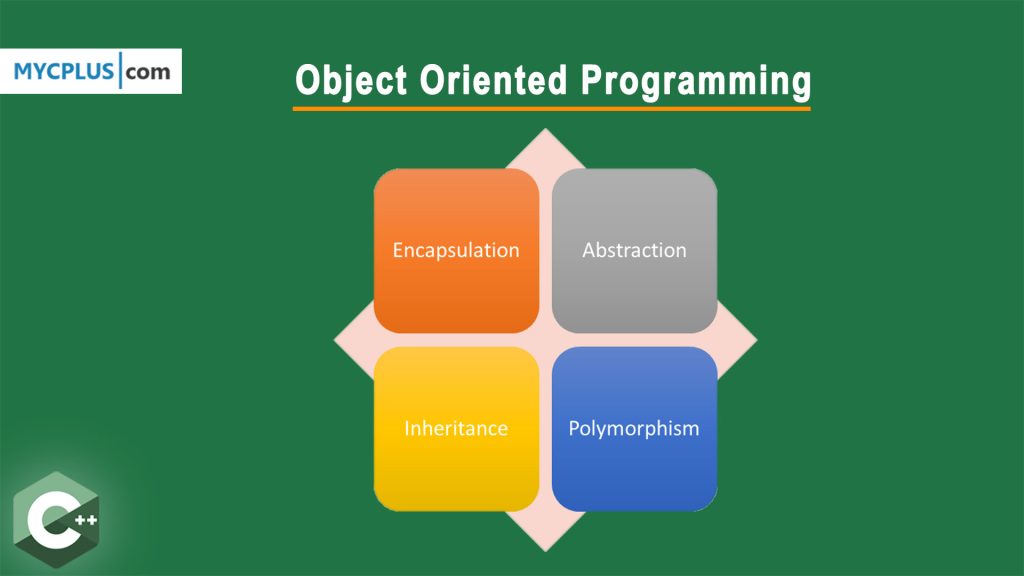
- Object-oriented programming — the complete OOP model including encapsulation, inheritance, polymorphism and abstraction with practical examples across C++, Java and C# for real-world software design
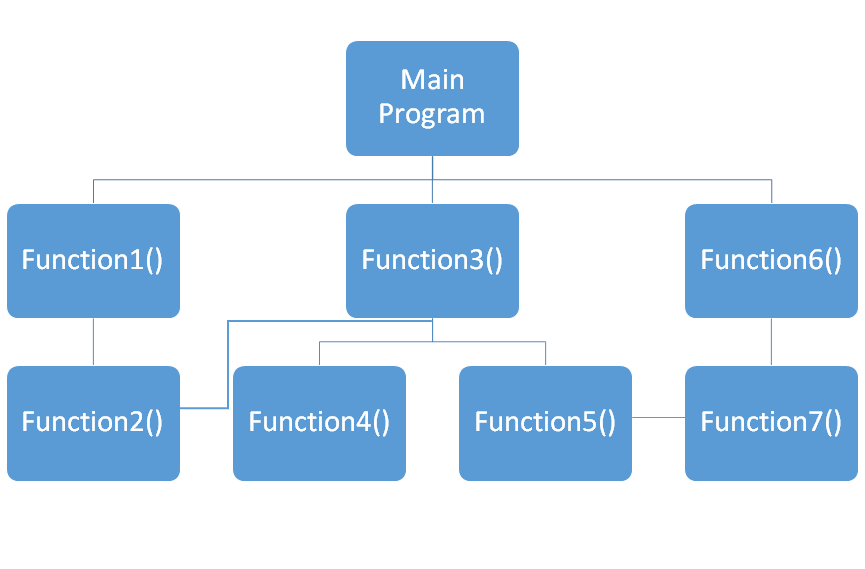
- Programming styles and paradigms — procedural, object-oriented, functional and declarative programming approaches with examples showing how modern developers apply multiple paradigms in professional codebases
- Algorithm complexity and analysis — understanding Big O notation, time and space complexity, best and worst case analysis and applying complexity thinking to write more efficient everyday code
- Applied computer science — bridging theory and practice by applying computer science principles to real programming problems in C, C++ and Java with source code you can study and build on immediately
Explore the four core areas covered in this section:
→ Algorithms — sorting, searching, graph traversal and optimisation
→ Data Structures — arrays, linked lists, trees, stacks and graphs
→ Object-Oriented Programming — classes, inheritance and polymorphism
→ Programming Styles — procedural, functional and declarative paradigms
Why MYCPLUS: Trusted by programmers and computer science students since 2004 — MYCPLUS covers all four core computer science disciplines in one place, with practical implementations in C, C++ and Java designed for both academic study and real-world software development.