
The Standard C++ Library: Strings
Standard C++ not only incorporates all the Standard C libraries (with small additions and changes to support type safety), it […]

Standard C++ not only incorporates all the Standard C libraries (with small additions and changes to support type safety), it […]
This is C++ Flexible Vector and Matrix (Vectors and Matrix with Arbitrary Bounds). The algorithm has been written by Alex
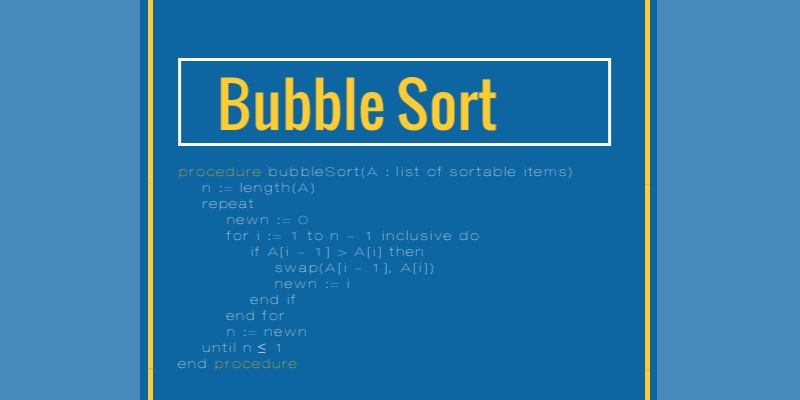
Bubble Sort is the most simple form of sorting algorithm that works by repeatedly stepping through the list of items (array) and swapping the adjacent elements if they are in incorrect order. This algorithm has no such real life uses due to it’s poor performance and is used primarily as an educational tool.
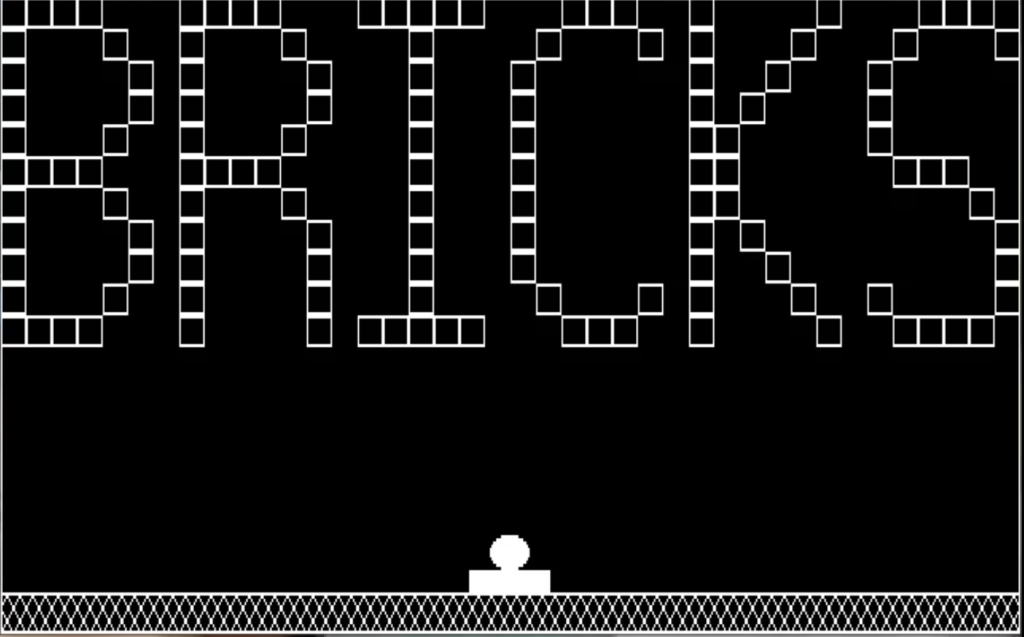
This is the complete source code of the most favorite flash game ‘Web Breaker’. The source code is written completely in C/C++ programming language. The game runs in DOS graphics mode. You can use either Turbo C++ compiler or Dev C++ compiler to compile and run this code.

This is a C Program that illustrates a simple TCP (Transmission Control Protocol) server that accepts incoming client connections. Once a client connection is established, a thread is spawned to read data from the client and echo it back (if the echo option is not disabled).

The sender program is a UDP datagram sender that can be configured through command line options. It initializes Winsock, creates a UDP socket, and either connects to a recipient’s IP address or uses sendto() to send datagram messages. The receiver program complements the sender by receiving UDP datagrams.

This sample illustrates how an ICMP ping app can be written using the SOCK_RAW socket type and IPPROTO_ICMP protocol. By creating a raw socket, the underlying layer does not change the protocol header so that when we submit the ICMP header nothing is changed so that the receiving end will see an ICMP packet. Additionally, we use the record route IP option to get a round trip path to the endpoint. Note that the size of the IP option header that records the route is limited to nine IP addresses.

This is the graphics.h header file which contains all the graphics functions and their implementations. It is quite nice to have a look at header files just to know more about functions and their parameters. Also it tells about different structures, enums defined in the file for specific purpose.

So, here in this article I will demonstrate how you can print pyramids and diamonds using for loop and if condition using C Programming. Building a pyramid in c programming is quite easy, but you must have the understanding of how for loop works. With some slight modifications you can print different shapes as well.
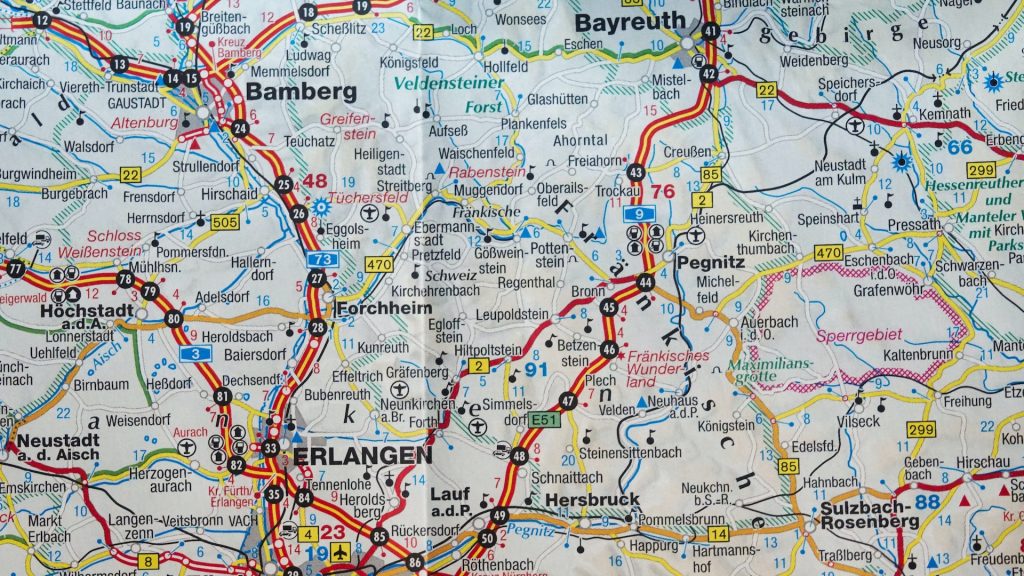
This C++ program finds the shortest path between two cities, provided that the map of the two cities and the
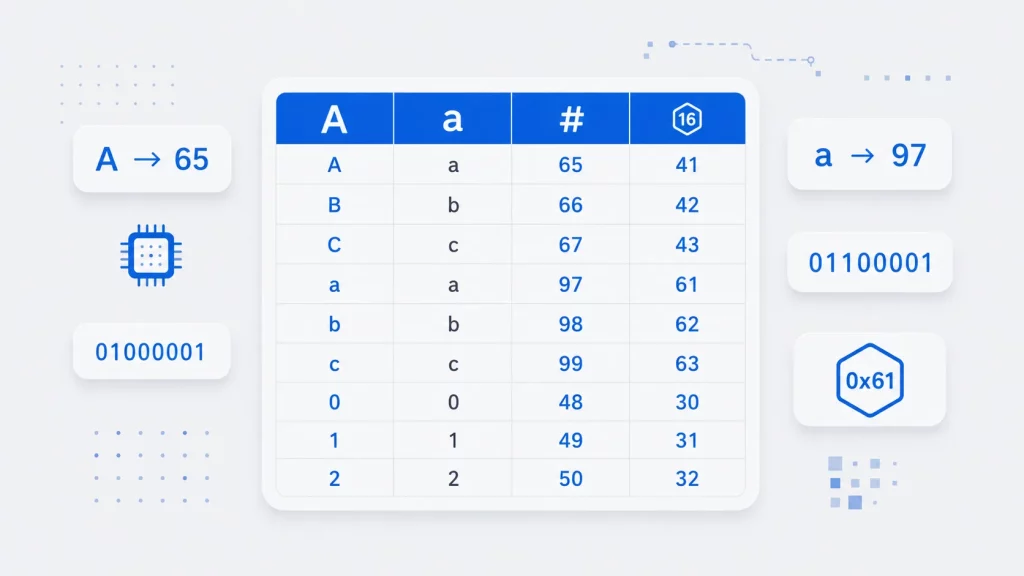
The ASCII table maps every character your computer displays to a number. Here are all 128 codes in decimal, hex, octal and binary — plus what each one means.
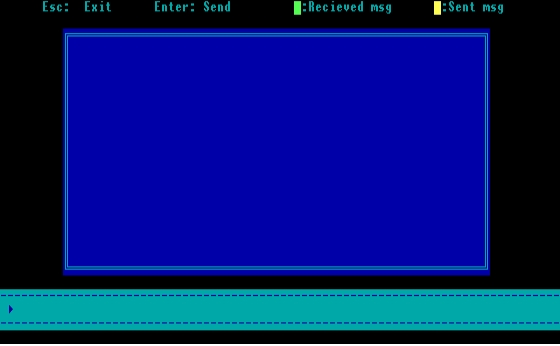
This is a C program to demonstrate PC to PC Communication via RS232 port. Chat with only 3-wire connection. This program is tested with Turbo C++ editor Version 3.0. How ever, authors are not responsible for any damages that may happen to your computer. Please contact us if any problem exits.