Muhammad Saqib – Senior Software Engineer & Founder of MyCPlus

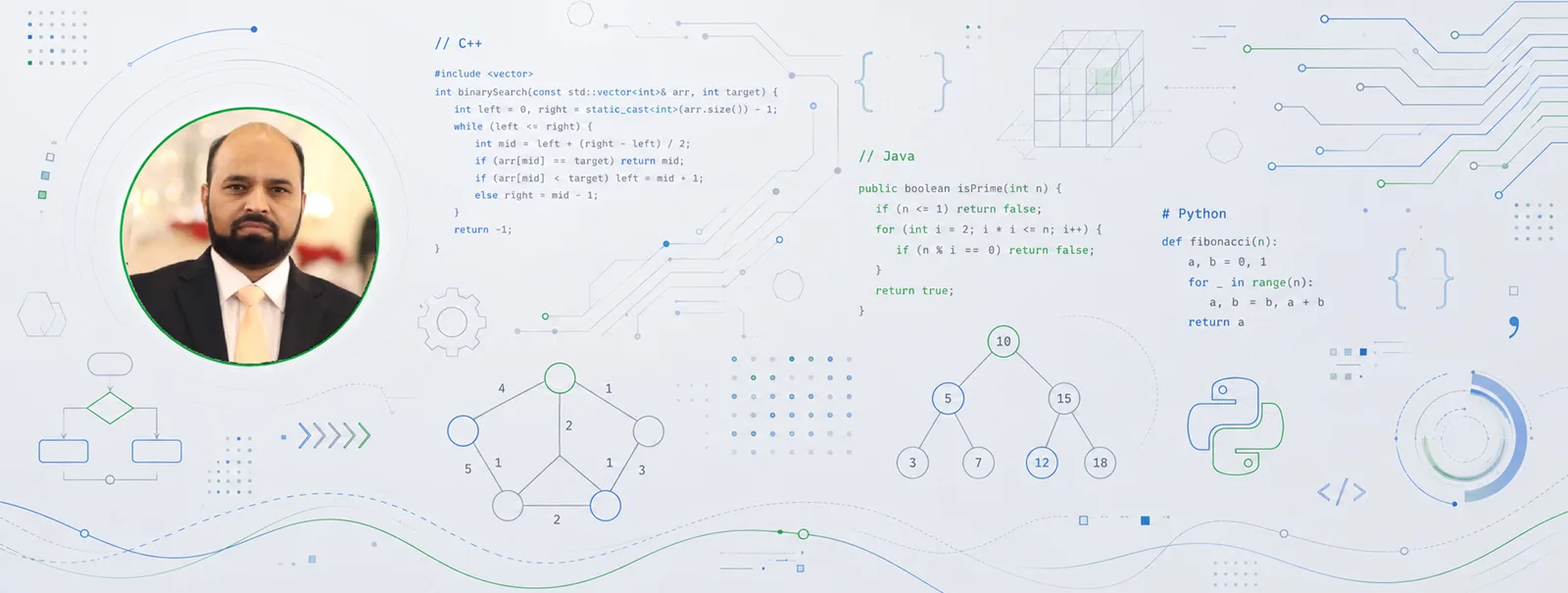
Muhammad Saqib author banner — MyCPlus

Muhammad Saqib is the founder and lead author of MyCPlus, the programming-education site he launched in 2004. The idea grew out of his own struggle learning to program at university — C was the first language he picked up — and the help he wished he’d had became the site he built for others. What began as a C and C++ resource has since grown into a broad hub of tutorials, working code examples, and computer science guides across many languages and skill levels.

He holds an MSc in Computer Applications from the University of Plymouth, UK (2008) and has spent over 15 years building large-scale software across automotive, healthcare, retail, mobility, and education. Along the way he has worked with Ford, Hyundai, Trilogy/DevFactory, OT EMR, Al Othaim Markets, and NUST–SEECS, and today leads backend engineering as Technical Team Lead at a public transportation authority.

A hands-on, polyglot engineer, he works across C/C++, Java, C#, PHP, Python, and JavaScript, and writes here about programming, software engineering, DevOps, Agile, and computer science.

More than twenty years on, MyCPlus keeps the goal it started with: clear tutorials, real source code, and a place for learners to get unstuck — written by someone who has been on both sides of the problem.

Programming Languages

C++ Tutorial for Java Programmers

This tutorial is designed to give a working knowledge of C++ (and indirectly parts of C) as quickly as possible for people with Java programming experience and familiarity with basic programming language concepts. By working through the exercises, core C++ concepts can be learned and practiced.

Microsoft Visual C# Step by Step

Microsoft Visual C# Step by Step

Microsoft Visual C# 2013 Step by Step teaches the fundamentals of Microsoft Visual C# 2013. This is a step by step guide to anyone having previous experience in programming but new to C# Programming.

Porter's Algorithm in C

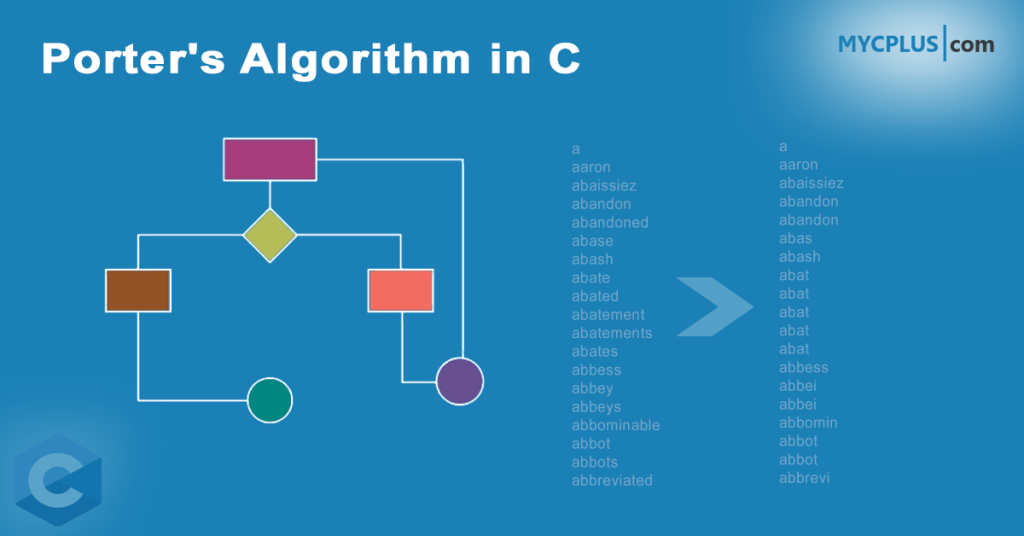
Porter’s Algorithm in C

Originally written in 1979 at Computer Laboratory, Cambridge (England), it was reprinted in 1997 in the book “Readings in Information Retrieval”. Initially it was written in BCPL language. Here is the list of implementations in other programming languages including C, Java and Pearl implementations done by author himself.

C++ Lecture Notes

Introduction to C++ – Lecture Notes

This post contains lecture notes of “Introduction to C++” course which is taught at MIT OpenCourseWare. OCW is a free and open publication of material from thousands of MIT courses, covering the entire MIT curriculum. There’s no signup, no enrollment, and no start or end dates.

Jumping into C++

Want to learn to code? Want to learn C++? Struggling to follow your lecturer or books and tutorials written for experts? You’re not alone. As a professional C++ developer and former Harvard teaching fellow, I know what you need to know to be a great C++ programmer, and I know how to teach it, one step at a time. I know where people struggle, and why, and how to make it clear.

Add Time Using Structures

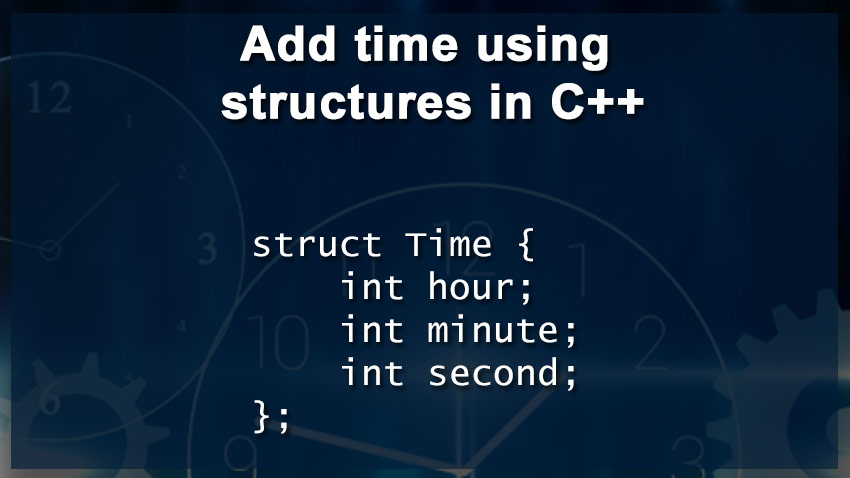
Add time using structures in C++

This is a C++ implementation of adding time using structures. A structure is a convenient tool for handling a group of logically related data items. Structure help to organize complex data is a more meaningful way. It is powerful concept that we may after need to use in our program Design.

Test-Driven Development for Embedded C

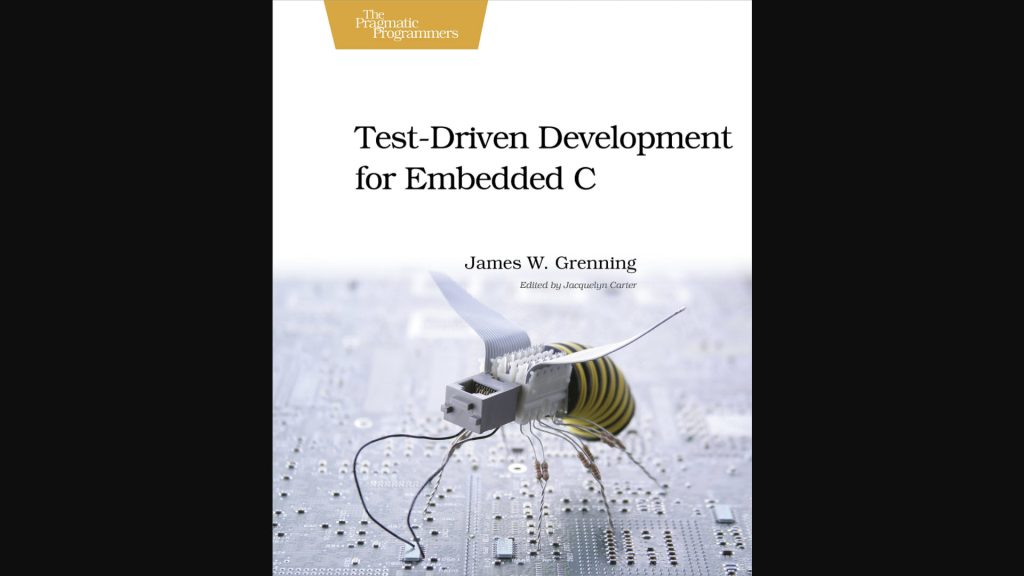
Test Driven Development for Embedded C

TDD is a modern programming practice C developers need to know. It’s a different way to program—unit tests are written in a tight feedback loop with the production code, assuring your code does what you think. You get valuable feedback every few minutes. You find mistakes before they become bugs. You get early warning of design problems. You get immediate notification of side effect defects. You get to spend more time adding valuable features to your product.

Scroll to Top