
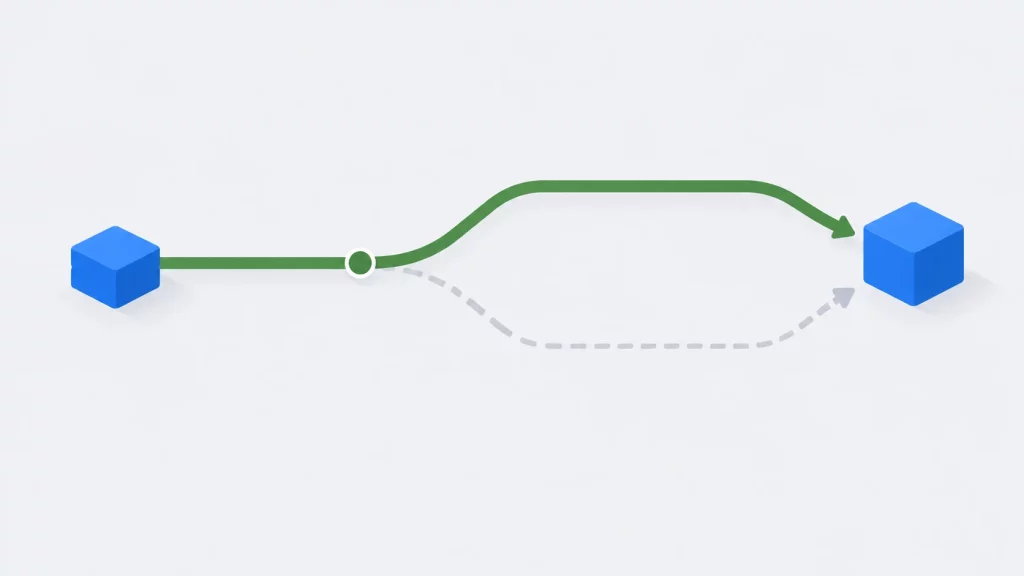
Ternary Operator in C (?:): Syntax, Examples and the Traps
Only one branch runs, but both decide the type — and that is where printf goes wrong. Tested C examples, plus the MAX macro trap.
Only one branch runs, but both decide the type — and that is where printf goes wrong. Tested C examples, plus the MAX macro trap.

Four lines, one line of output, and more going on underneath than any tutorial admits. A tested walkthrough from source file to running binary.

[et_pb_section fb_built=”1″ _builder_version=”3.22″ custom_padding=”0px|||||”][et_pb_row _builder_version=”4.0.9″][et_pb_column type=”4_4″ _builder_version=”4.0.9″][et_pb_text _builder_version=”4.0.9″ inline_fonts=”Georgia”] C is a great programing language to start as a beginner
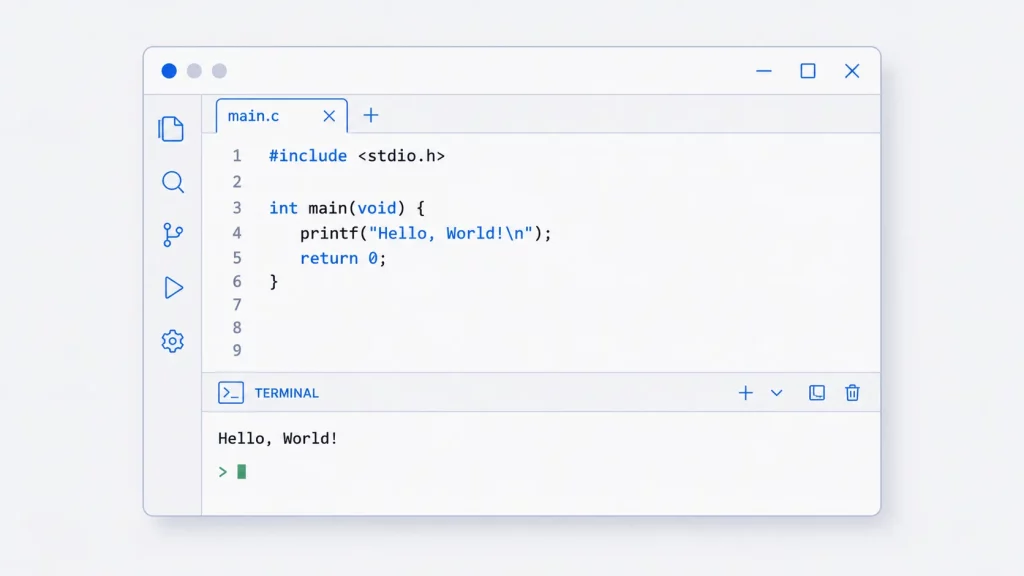
Every C programmer starts with the same five lines. This guide explains each one, then shows you how to compile, run and extend your first C program.
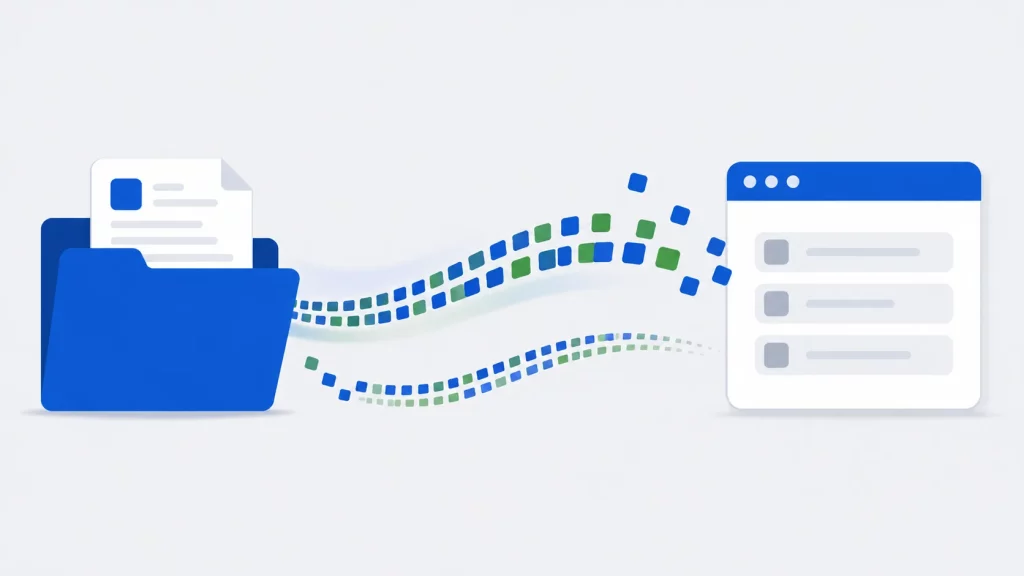
File handling in C++ uses the stream classes ifstream, ofstream and fstream. Tested examples cover reading, writing, errors, binary files and C++17.

Hello, world! Programs are usually written to make the text “Hello, world!” appear on a computer screen. This is also a basic sanity check for an installation of a new programming language. The first Hello World program appeared in chapter 1.1 of the first edition of Kernighan & Ritchie’s original book about C, ‘The C Programming Language’, in 1978. This is considered to be the first ever “Hello World!” program.
C++ has come a long way and is now adopted in several contexts. Its key strengths are its software infrastructure and resource-constrained applications, including desktop applications, servers, and performance-critical applications, not to forget its importance in game programming. Despite its strengths in these areas, beginners usually tend to shy away from learning the language because of its steep learning curve.
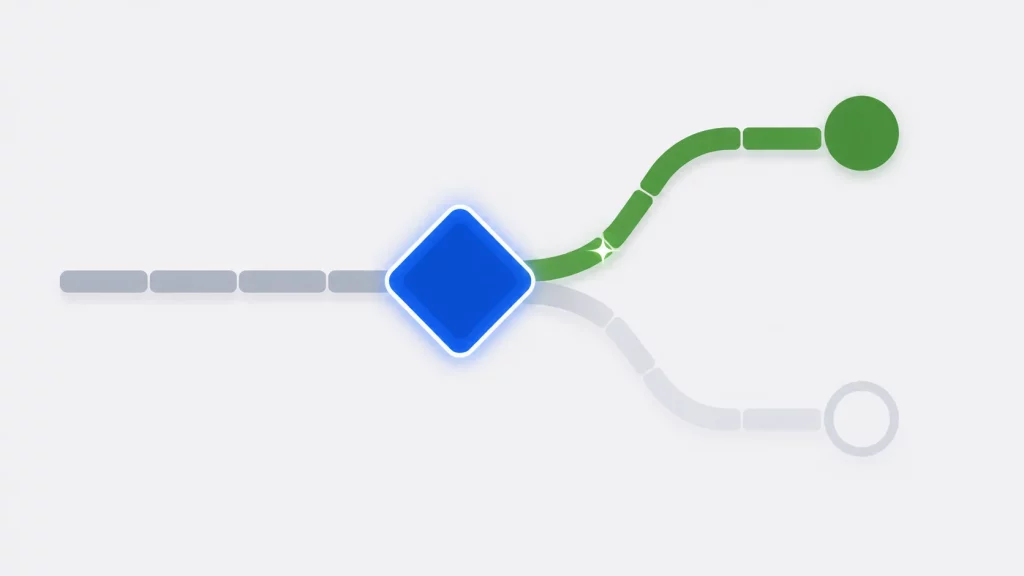
The ternary operator (?:) picks between two values in one expression. Tested examples: nesting, constexpr, auto, performance, and C vs C++ rules.
Effective Modern C++ follows the proven guideline-based, example-driven format of Scott Meyers’ earlier books, but covers entirely new material. This book describes how to write effective software using C++11 and C++14—i.e. using modern C++.
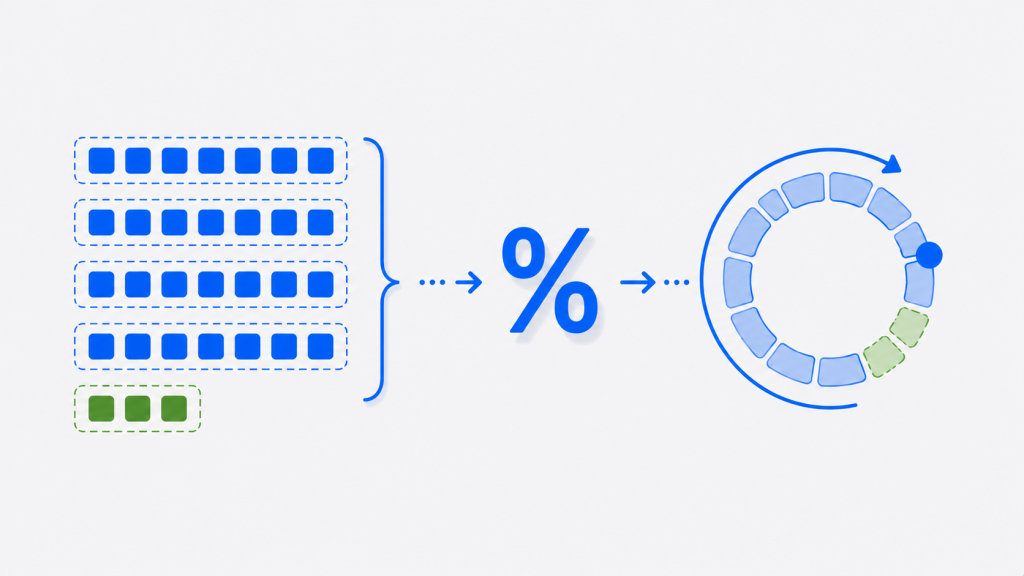
The C++ modulus operator (%) returns the remainder of a division. This guide covers everything — negative numbers, fmod() for decimals, real use cases, and the pitfalls to avoid.
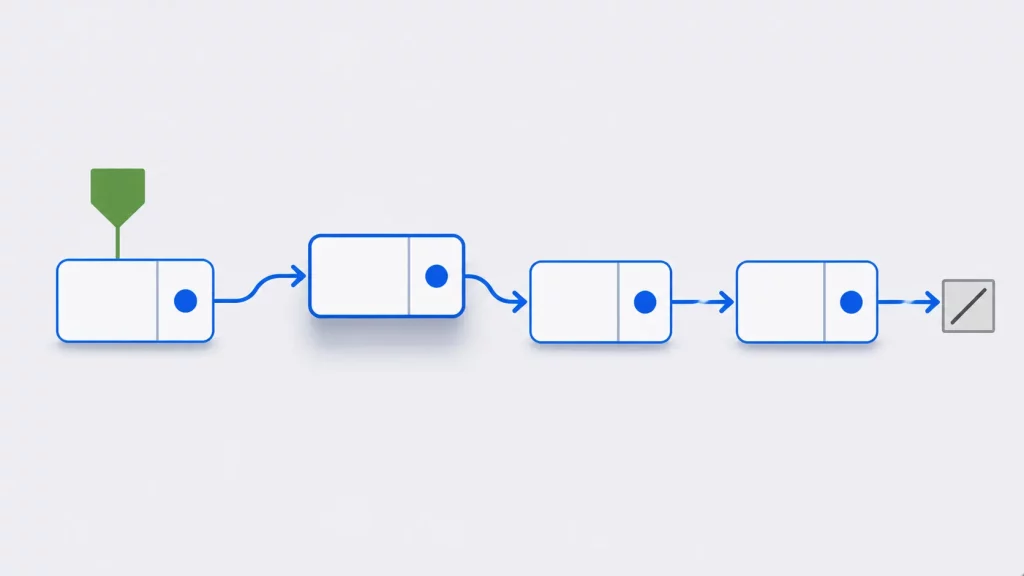
A linked list in C chains heap-allocated nodes through pointers. Build one completely: all operations, complexity analysis and a tested full program.
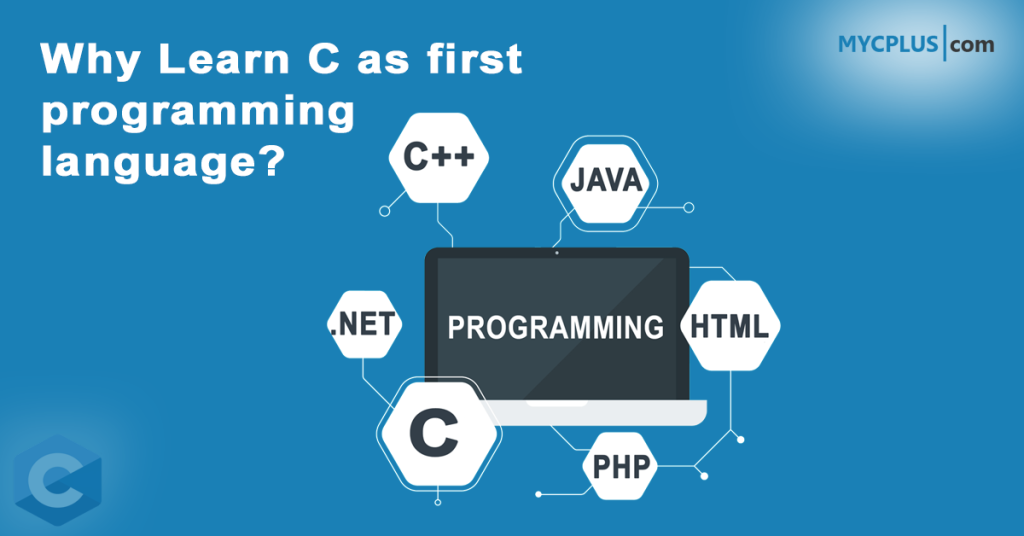
There are hundreds of programming languages used in the professional industry and university/college academics. One needs to be familiar and able to program with at least few programming languages to be successful.