
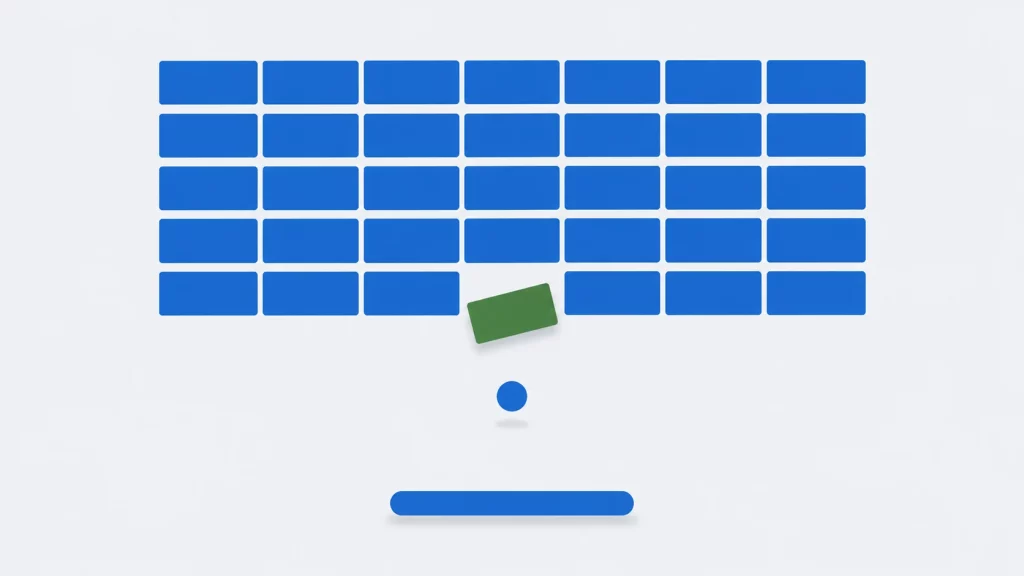
Brick Breaker Game in C and C++: Complete Source Code for the Terminal
A Breakout-style brick game in C and modern C++ for Windows, Linux and macOS terminals: full source, collisions, paddle aim, redraws and timing.
A Breakout-style brick game in C and modern C++ for Windows, Linux and macOS terminals: full source, collisions, paddle aim, redraws and timing.
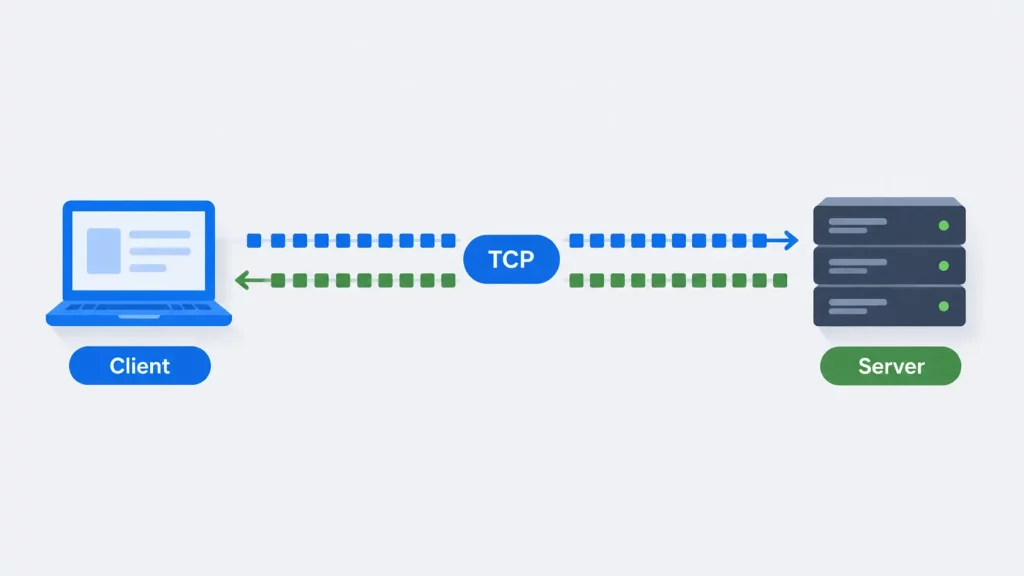
Setting up a TCP connection takes six system calls. Using it correctly means handling a byte stream with no message boundaries and partial transfers.
The sender program is a UDP datagram sender that can be configured through command line options. It initializes Winsock, creates a UDP socket, and either connects to a recipient’s IP address or uses sendto() to send datagram messages. The receiver program complements the sender by receiving UDP datagrams.
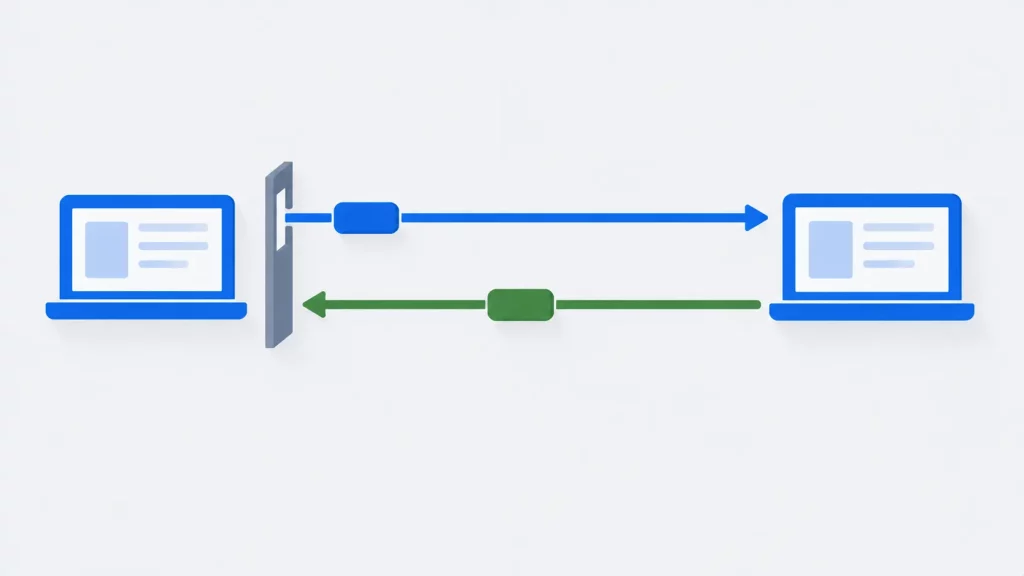
Before it sends a byte, a ping program has to get past the kernel. Portable C for Linux and macOS, the Winsock differences, and all four permission routes.

This is the graphics.h header file which contains all the graphics functions and their implementations. It is quite nice to have a look at header files just to know more about functions and their parameters. Also it tells about different structures, enums defined in the file for specific purpose.

So, here in this article I will demonstrate how you can print pyramids and diamonds using for loop and if condition using C Programming. Building a pyramid in c programming is quite easy, but you must have the understanding of how for loop works. With some slight modifications you can print different shapes as well.
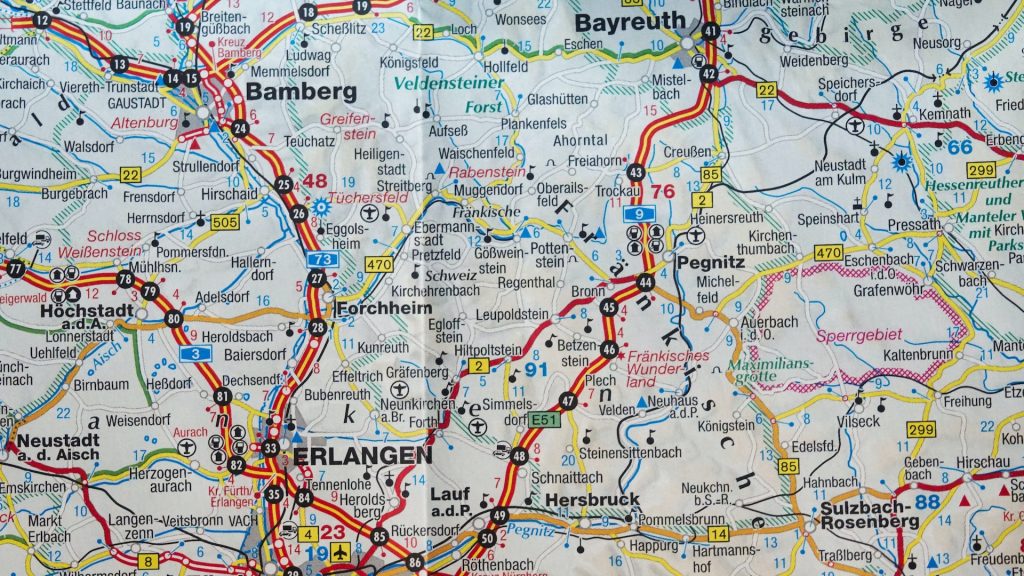
This C++ program finds the shortest path between two cities, provided that the map of the two cities and the
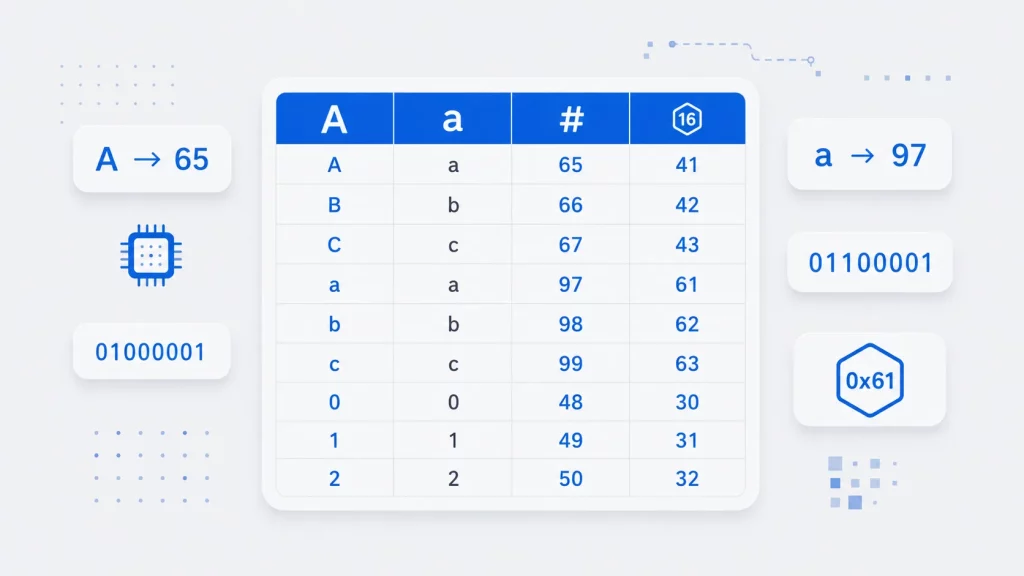
The ASCII table maps every character your computer displays to a number. Here are all 128 codes in decimal, hex, octal and binary — plus what each one means.
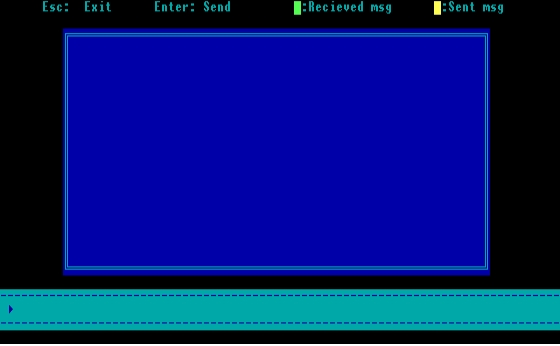
This is a C program to demonstrate PC to PC Communication via RS232 port. Chat with only 3-wire connection. This program is tested with Turbo C++ editor Version 3.0. How ever, authors are not responsible for any damages that may happen to your computer. Please contact us if any problem exits.
This C program finds the longest common sub-sequence between two strings. It implements the most famous dynamic programming algorithm. Dynamic programming is a computational technique used to solve complex problems by breaking them down into smaller subproblems and solving each subproblem only once, storing the solution to each subproblem and using it to solve larger problems.
The Smith-Waterman algorithm is used for comparing two sequences, typically biological sequences like DNA, RNA, or proteins. It finds the local similarities between the sequences, identifying regions where they match or align.
Six conversion functions are really two algorithms. A tested base converter for every base from 2 to 36, and what the old menu program got wrong.