Programming Tutorials — C, C++, C#, Java, JavaScript, Python, PHP, and Game Development

Flat illustration of a desktop workspace featuring a monitor displaying structured code icons representing computer programming tutorials

Programming powers modern technology — from desktop software and websites to mobile apps, games and enterprise systems. Strong programming skills remain essential for developers, students and technology professionals building modern digital solutions.

MYCPLUS has been publishing programming tutorials, source code examples and practical development guides since 2004. This programming hub brings together tutorials for C, C++, C#, Java, JavaScript, PHP and Python, along with game development and real-world coding examples designed for hands-on learning.

You will find beginner-friendly programming tutorials, practical source code examples and advanced development guides covering object-oriented programming, debugging, modern programming techniques and professional software development practices. Whether you are learning your first language, improving coding skills or exploring modern development technologies, this section provides structured resources for real-world programming and software engineering.

What You’ll Learn:

  • C programming fundamentals — variables, functions, pointers, memory management, file handling and procedural programming concepts
  • Modern C++ development — object-oriented programming, STL, templates, smart pointers, lambda expressions and advanced C++ features
  • Python programming — scripting, automation, data processing, application development and beginner-friendly programming concepts
  • Java and C# development — object-oriented design, application architecture and enterprise programming fundamentals
  • JavaScript and PHP programming — web development, frontend and backend programming, dynamic applications and interactive user experiences
  • Game development programming — graphics programming, game engines, real-time systems and practical game development concepts using C and C++

Why MYCPLUS: One of the web’s longest-running programming resources — trusted since 2004 with hundreds of tutorials, practical coding guides, source code examples and developer learning resources designed for real-world programming skills.

graphics.h Reference

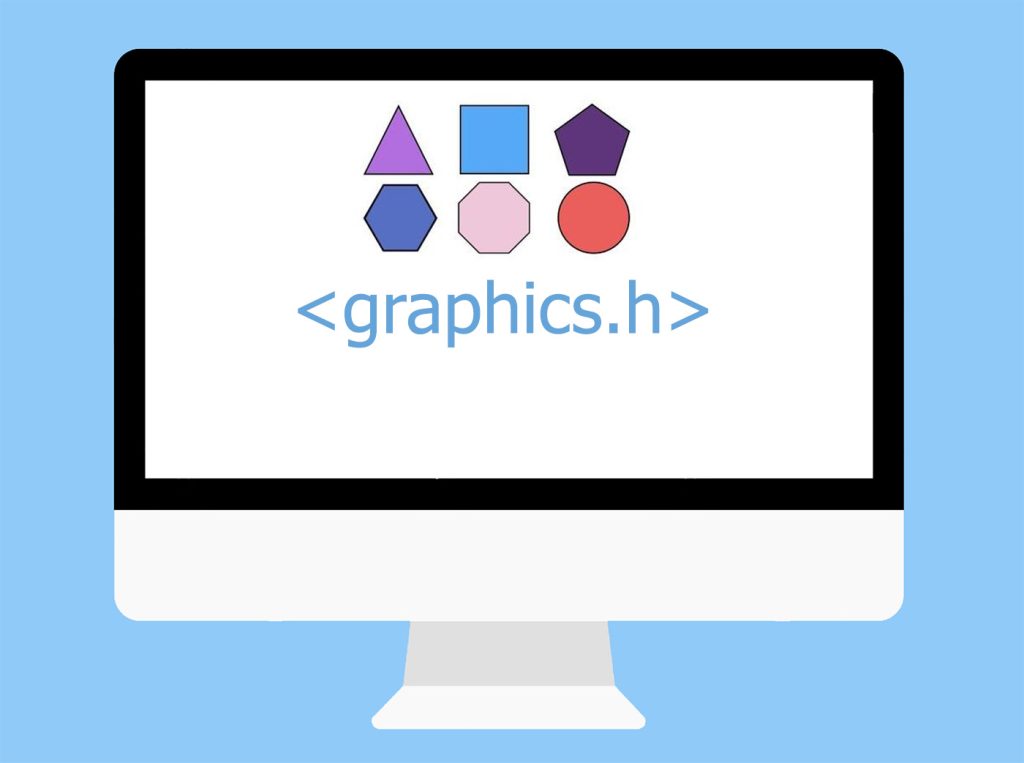
graphics: graphics.h Header File

This is the graphics.h header file which contains all the graphics functions and their implementations. It is quite nice to have a look at header files just to know more about functions and their parameters. Also it tells about different structures, enums defined in the file for specific purpose.


backend frameworks

Print Pyramids and Diamonds Shapes in C Programming

So, here in this article I will demonstrate how you can print pyramids and diamonds using for loop and if condition using C Programming. Building a pyramid in c programming is quite easy, but you must have the understanding of how for loop works. With some slight modifications you can print different shapes as well.

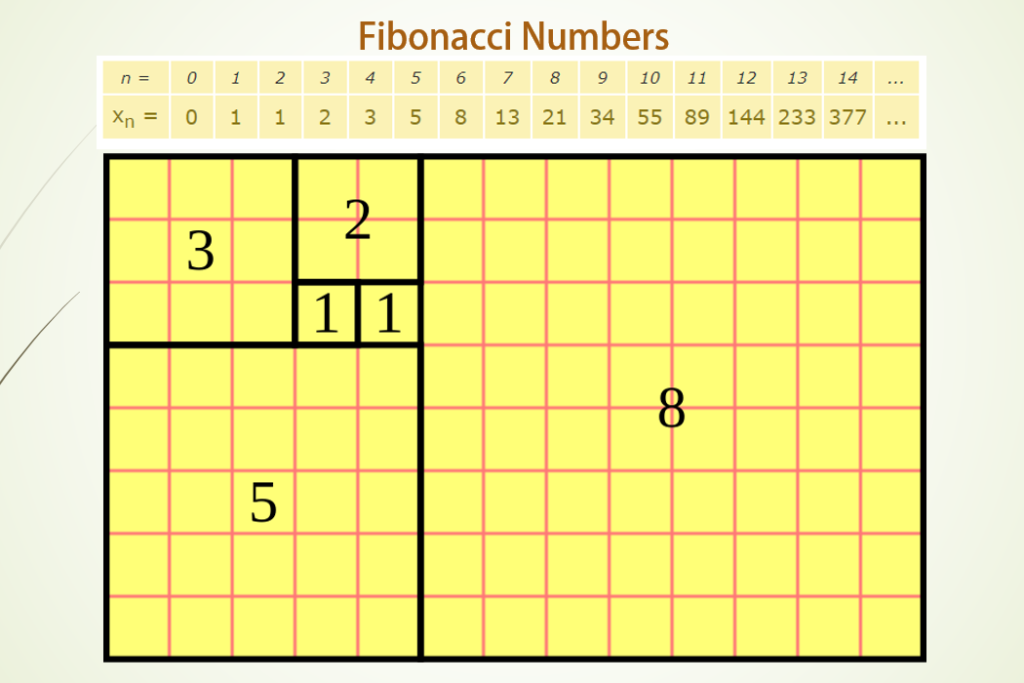
Fibonacci Numbers

C Program to show Fibonacci Sequence

This C program prints out the first Fibonacci series of N numbers. In mathematics, the Fibonacci numbers are a sequence of numbers named after Leonardo of Pisa, known as Fibonacci. The first number of the sequence is 0, the second number is 1, and each subsequent number is equal to the sum of the previous two numbers of the sequence itself, thus creating the sequence 0, 1, 1, 2, 3, 5, 8, etc. The standard form of writing Fibonacci series is:

C Program to Calculate Factorial of a Number

C Program to Calculate Factorial of a Number

This C program is designed to compute the factorial of a user-entered integer. The program employs a for loop to calculate the factorial and then displays the result. The user can continue inputting positive integers to obtain their factorials until a non-integer input is provided which terminates the program.

Number Shuffling Game

C Program: Number Shuffling Game

This C program is a simple console-based implementation of a number-shuffling game. The game presents a grid of numbers, and the objective is to rearrange them in ascending order. The player can move the numbers by pressing the corresponding number keys, and the game tracks the number of moves taken to complete the puzzle.

Datagram Operations using C

Datagram Operations using C

This application demonstrates the various datagram operations possible from NetBIOS. This includes sending and receiving both directed and group datagrams as well as broadcast datagrams.

UDP Data Sender and Receiver in C

Writing UDP Data Sender and Receiver in C

The sender program is a UDP datagram sender that can be configured through command line options. It initializes Winsock, creates a UDP socket, and either connects to a recipient’s IP address or uses sendto() to send datagram messages. The receiver program complements the sender by receiving UDP datagrams.

Scroll to Top