
C Programming

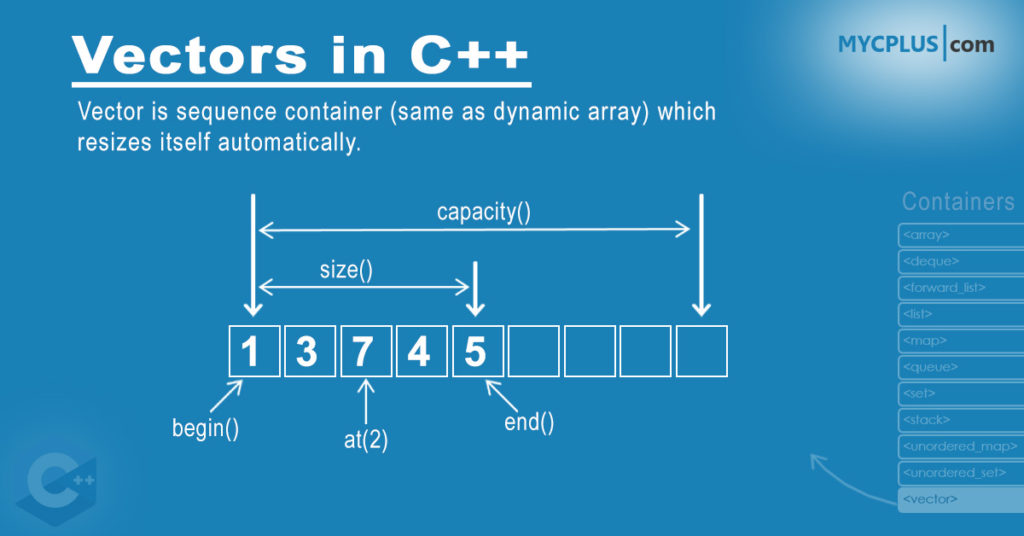
C++ Standard Template Library – List

The Standard Template Library (STL) is one of the most essential features of C++. It has very much grown in recent years. Basically, the Standard Template Library provides templatized, general-purpose classes as well as methods. These classes and functions/methods implement several popular and most commonly used algorithms as well as data structures.
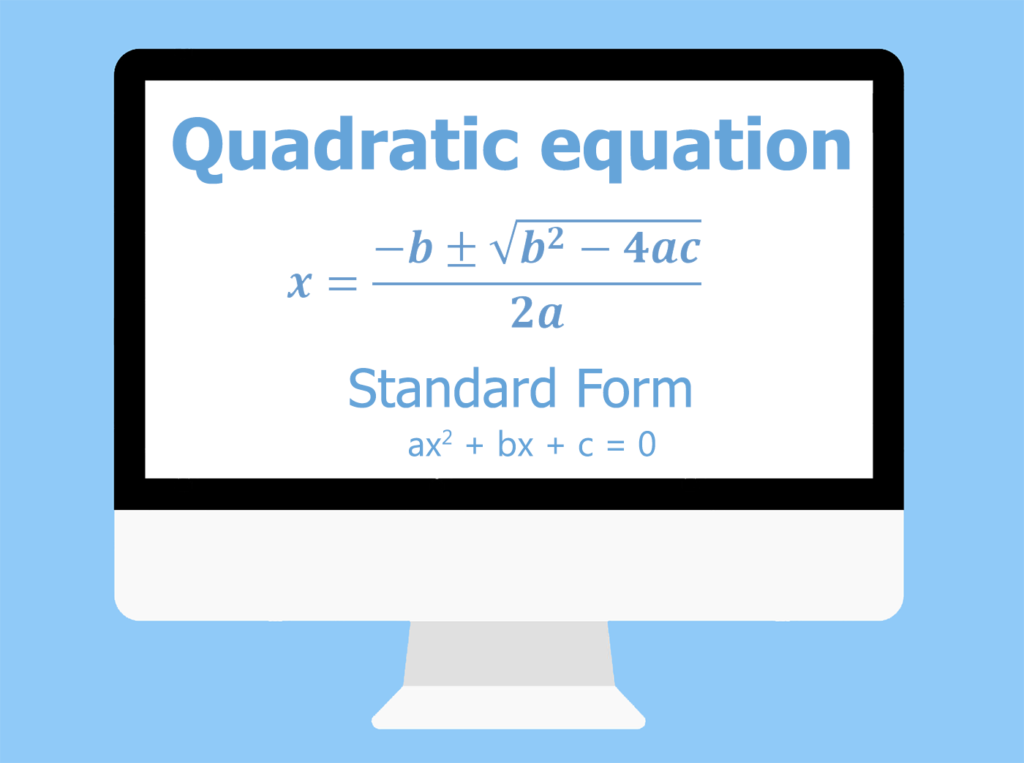
Quadratic Formula and Quadratic Equation

C++ Program to Solve the Quadratic Equation

This program will solve quadratic equations. It accepts coefficients of a quadratic equation from the user i.e. a, b and c and displays the roots. To compile the program name it quadratic_solver.cpp then type g++ -o quadratic_solver quadratic_solver.cpp You may need to use math.h like this: #include if you are using windows C++ programming software. (I tried it without the math.h and got an “undeclared identifier” error)

Ternary Operator with Examples in C

Ternary Operator with examples in C

In C Programming, ternary operator allows executing different code depending on the value of a condition. The returned value is the result of the expression when the code is executed. The main advantage of using ternary operator is to reduce the number of lines of code and improve the performance of application. In C, the real utility of ternary operator is that it is an expression instead of a statement i.e. you can have it on the right-hand side (RHS) of a statement. So you can write certain code statements more concisely.

hello_world_cpp

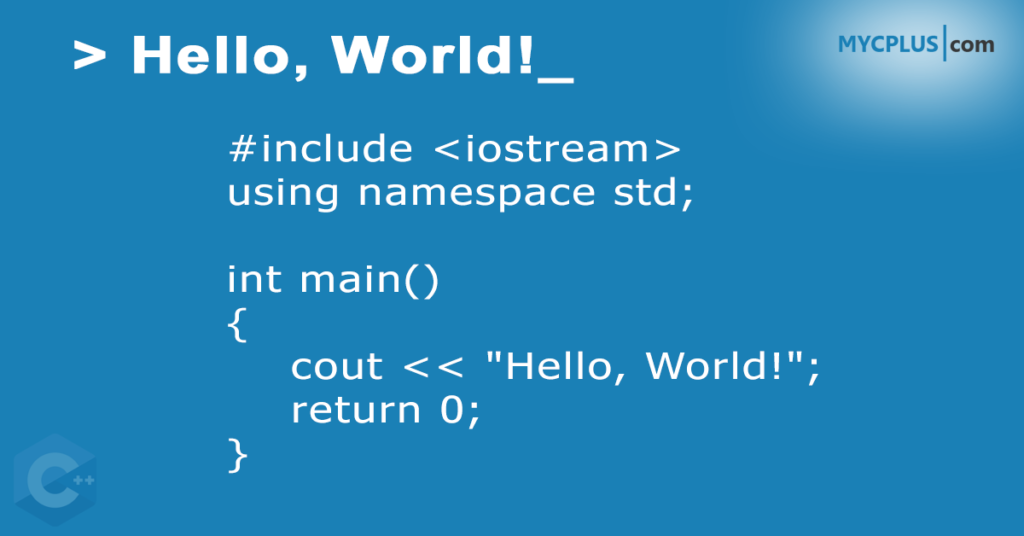
C++ “Hello World” Program

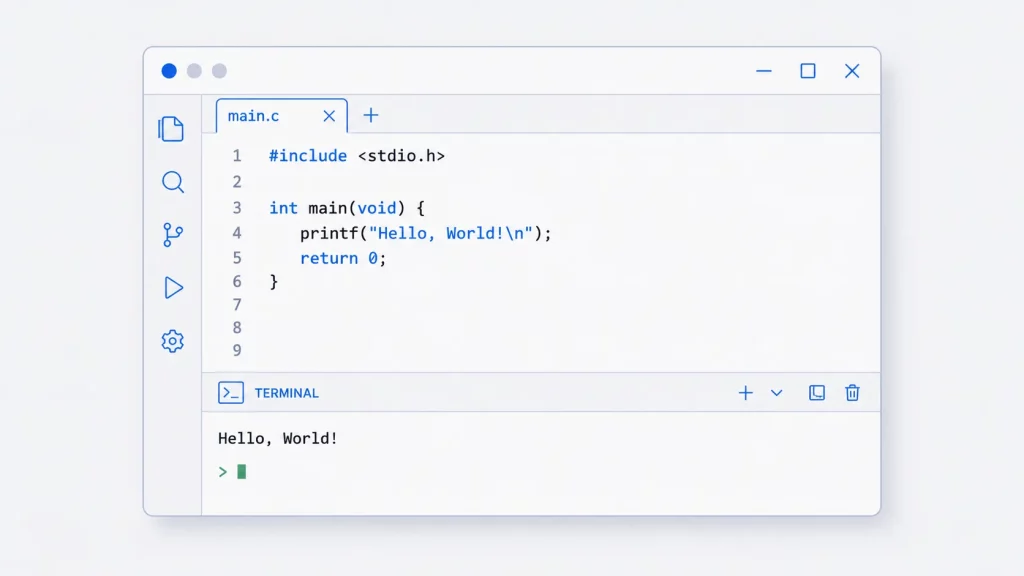
Typically, the best way to learn programming is by writing code. The first program beginners write is “Hello, World!” which is often used to illustrate the syntax of a programming language. You can take a look at the list of Hello World Programs in 300 Programming Languages to see how “Hello, World!” looks like in different programming languages.

Ten Most Recommended C books for Expert Programmers

[et_pb_section fb_built=”1″ _builder_version=”3.22″ custom_padding=”0px|||||”][et_pb_row _builder_version=”4.0.9″][et_pb_column type=”4_4″ _builder_version=”4.0.9″][et_pb_text _builder_version=”4.0.9″ inline_fonts=”Georgia”] C is a great programing language to start as a beginner

file handling in C++

File Handling in C++

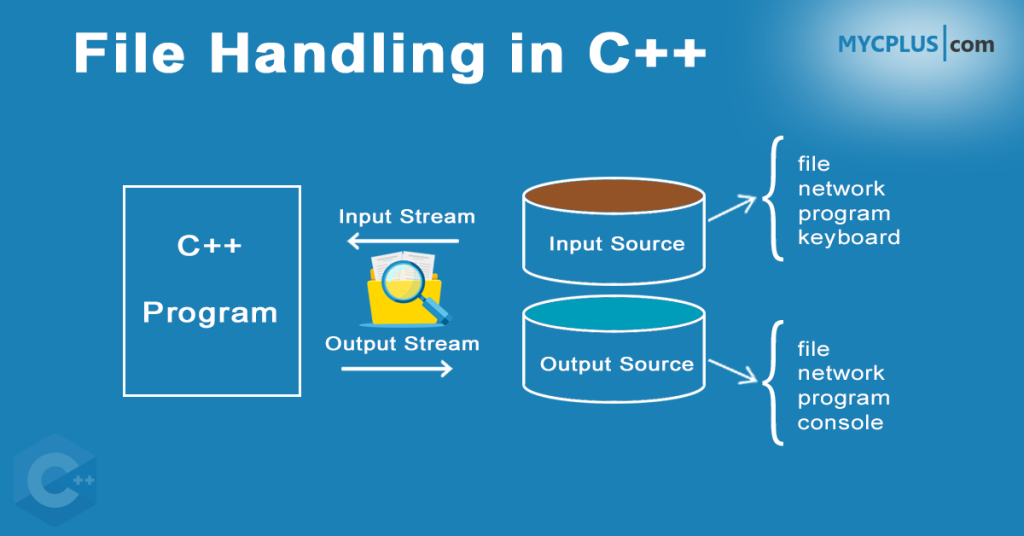
C++ treats files as data streams flowing into and out of a program. Each stream type has its own class, complete with functions that handle reading, writing, and managing file I/O efficiently.

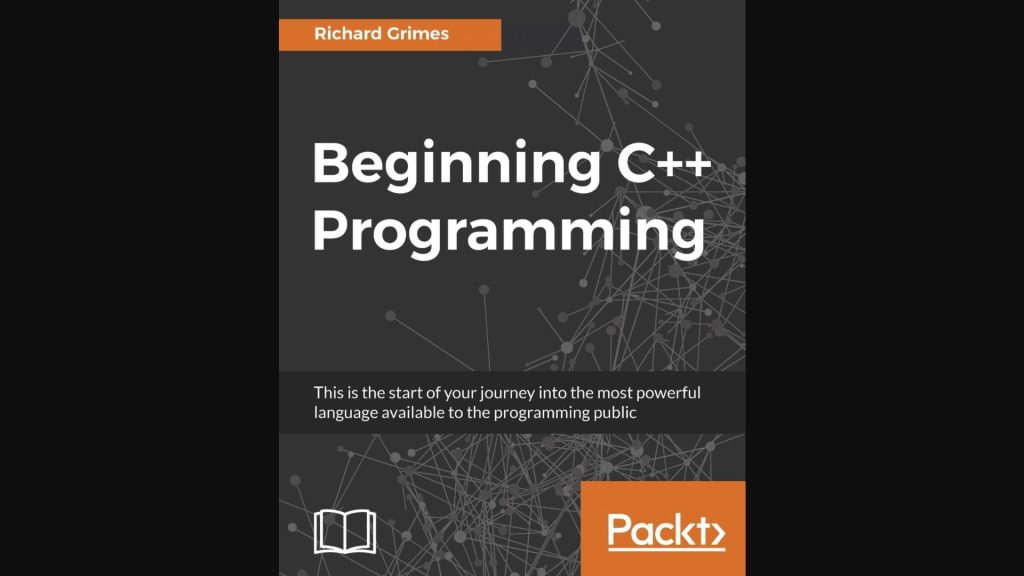
Beginning C++ Programming

Beginning C++ Programming

C++ has come a long way and is now adopted in several contexts. Its key strengths are its software infrastructure and resource-constrained applications, including desktop applications, servers, and performance-critical applications, not to forget its importance in game programming. Despite its strengths in these areas, beginners usually tend to shy away from learning the language because of its steep learning curve.

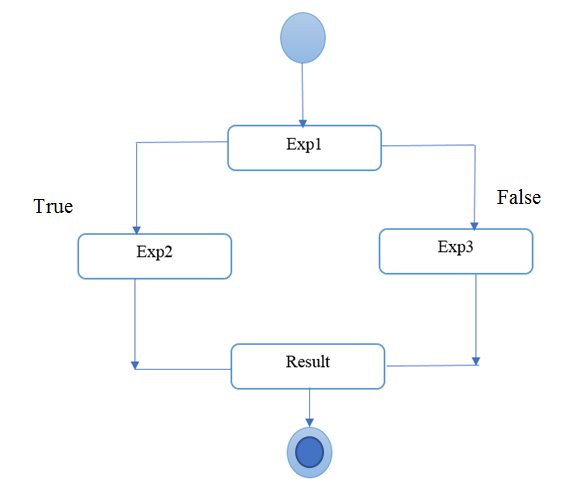
Ternary Operator Diagram

Ternary Operator with examples in C++

In C++, ternary operator allows executing different code depending on the value of a condition, and the result of the expression is the result of the executed code. The ternary operator uses 3 operands. It evaluates a condition and after that chooses one of its two branches to execute, depending upon the result of condition. The symbol for ternary operator is “? :”. The syntax for the ternary operator is: ? : ;

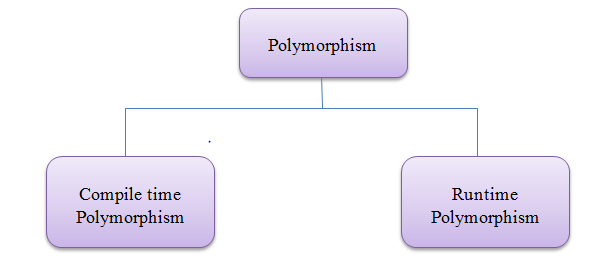
Types of Polymorphism in C++

Polymorphism in C++

Simply speaking, polymorphism is the ability of something to be displayed in multiple forms. Let’s take a real life scenario; a person at the same time can perform several duties as per demand, in the particular scenario. Such as, a man at a same time can serve as a father, as a husband, as a son, and as an employee. So, single person possess different behaviors in respective situations. This is the real life example of polymorphism. Polymorphism is one of the important features of Object Oriented Programming (OOP).

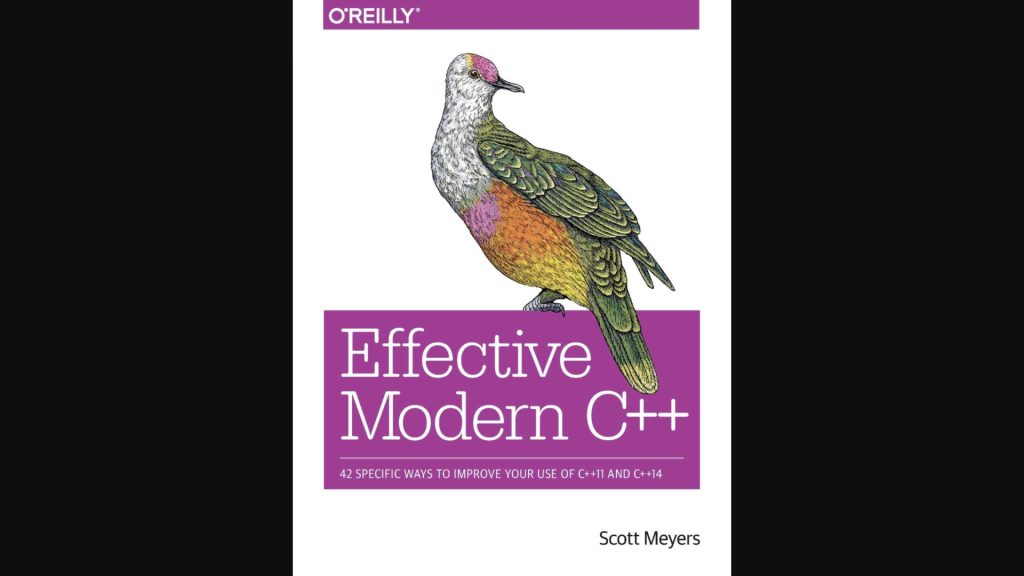
Effective Modern C++

Effective Modern C++

Effective Modern C++ follows the proven guideline-based, example-driven format of Scott Meyers’ earlier books, but covers entirely new material. This book describes how to write effective software using C++11 and C++14—i.e. using modern C++.

Scroll to Top