Programming Tutorials — C, C++, C#, Java, JavaScript, Python, PHP, and Game Development
Programming powers modern technology — from desktop software and websites to mobile apps, games and enterprise systems. Strong programming skills remain essential for developers, students and technology professionals building modern digital solutions.
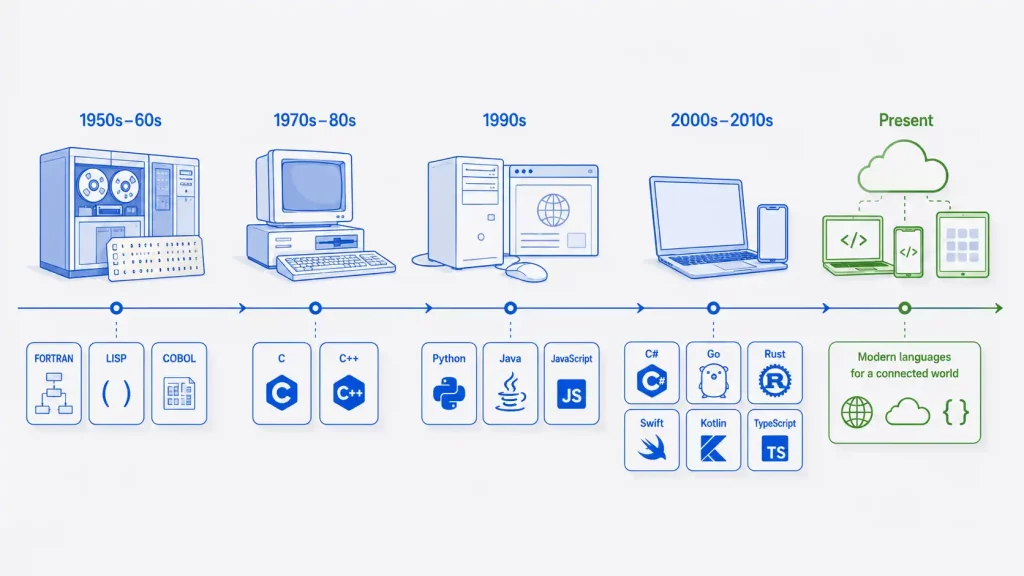
MYCPLUS has been publishing programming tutorials, source code examples and practical development guides since 2007. This programming hub brings together tutorials for C, C++, C#, Java, JavaScript, PHP and Python, along with game development and real-world coding examples designed for hands-on learning.
You will find beginner-friendly programming tutorials, practical source code examples and advanced development guides covering object-oriented programming, debugging, modern programming techniques and professional software development practices. Whether you are learning your first language, improving coding skills or exploring modern development technologies, this section provides structured resources for real-world programming and software engineering.
What You’ll Learn:
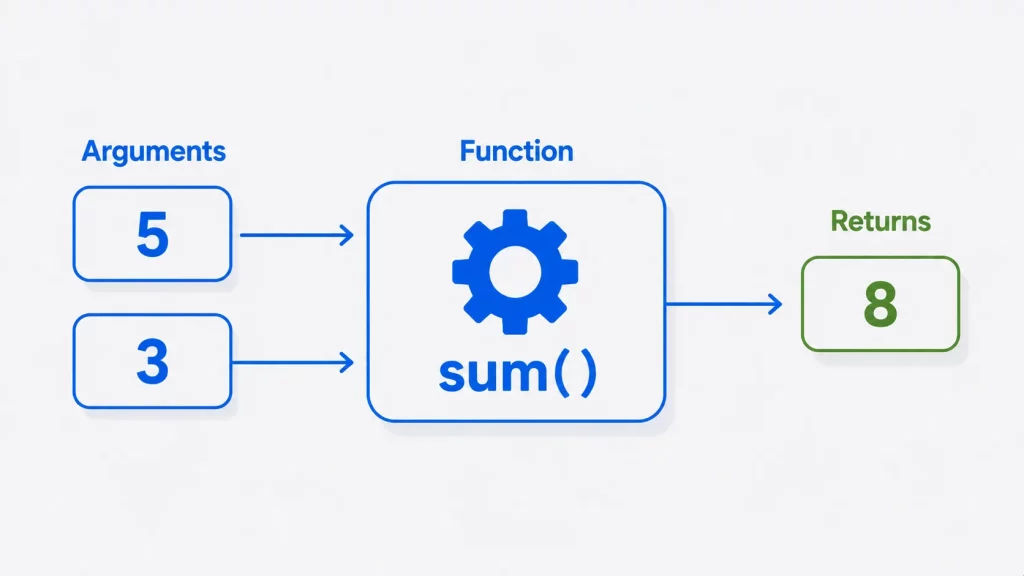
- C programming fundamentals — variables, functions, pointers, memory management, file handling and procedural programming concepts
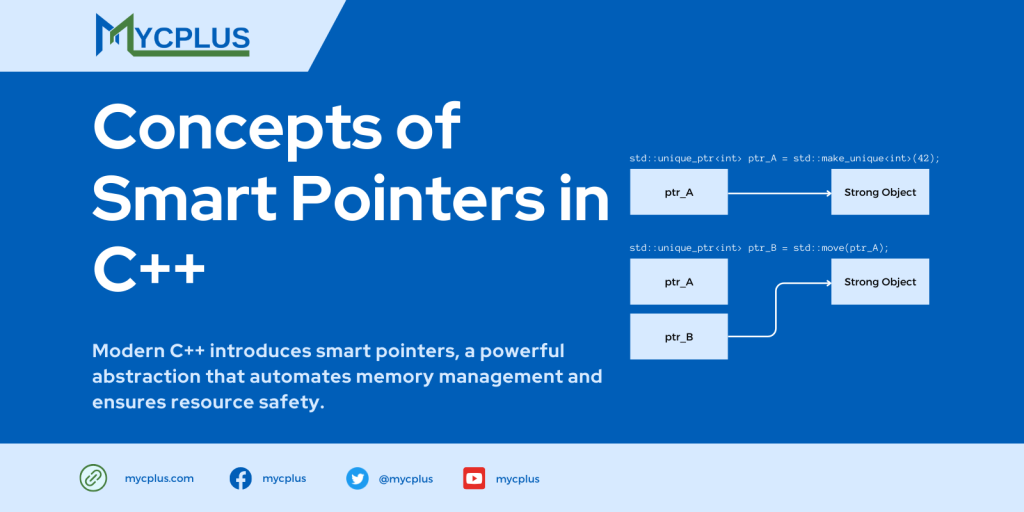
- Modern C++ development — object-oriented programming, STL, templates, smart pointers, lambda expressions and advanced C++ features
- Python programming — scripting, automation, data processing, application development and beginner-friendly programming concepts
- Java and C# development — object-oriented design, application architecture and enterprise programming fundamentals
- JavaScript and PHP programming — web development, frontend and backend programming, dynamic applications and interactive user experiences
- Game development programming — graphics programming, game engines, real-time systems and practical game development concepts using C and C++
Why MYCPLUS: One of the web’s longest-running programming resources — trusted since 2007 with hundreds of tutorials, practical coding guides, source code examples and developer learning resources designed for real-world programming skills.
A pointer can be declared to point to another pointer which points to a variable. Here, the first pointer contains the address of the second pointer. The second pointer points to an actual memory location where the data is stored, i.e. a variable. That’s the reason why we also call such pointers as double pointers.
Memory Allocation Pointers
In JavaScript, we use braces {} for creating an empty object and brackets [] for creating an empty array. I find the Developer console in Mozilla Firefox or Google Chrome more convenient to print out any object and study the details.
Arrays JavaScript OOP
This tutorial shows you how to Read and Write Excel files in C#. We are going to use Microsoft COM Objects i.e. Excel 16 object in our application. Use the following sample C# source codes for Excel reading and writing. There are multiple examples discussed in this tutorial to read Excel files using C# and write data back to Excel file.
.NET
This is a C program to demonstrate cache mechanism by simulating a cache in C. The source code can run in any C Compiler with minor modifications if required. It can run on real memory traces as input to your cache simulator. We have implemented two cache replacement policies i.e. least recently used (LRU) and First-in first-out (FIFO) replacement policies.
Data Structures Memory Allocation
The Vigenere cipher is a method of encrypting or decrypting alphabetic text by using a series of interwoven Caesar ciphers (Caesar Shift), based on the letters of a keyword. In cryptography, Caesar shift is one of the simplest known encryption techniques. It employs a form of polyalphabetic substitution, which is using multiple substitution alphabets.
C Programming
Generally, the following two statements about char[] and char * in C are considered confusing and understanding the difference between them is important. The first statement puts the literal string “mycplus” in read-only memory and copies the string to newly allocated memory on the stack. The second statement is known as static string allocation and definition.
Arrays C Programming Pointers Strings
In the C Programming Language, the #ifndef directive checks if the given token has been #defined earlier in the C code. If the token has not been defined earlier then it includes the code between #ifndef and #else. If no #else is present then code between ##ifndef and #endif is included.
C Programming Programming Tips
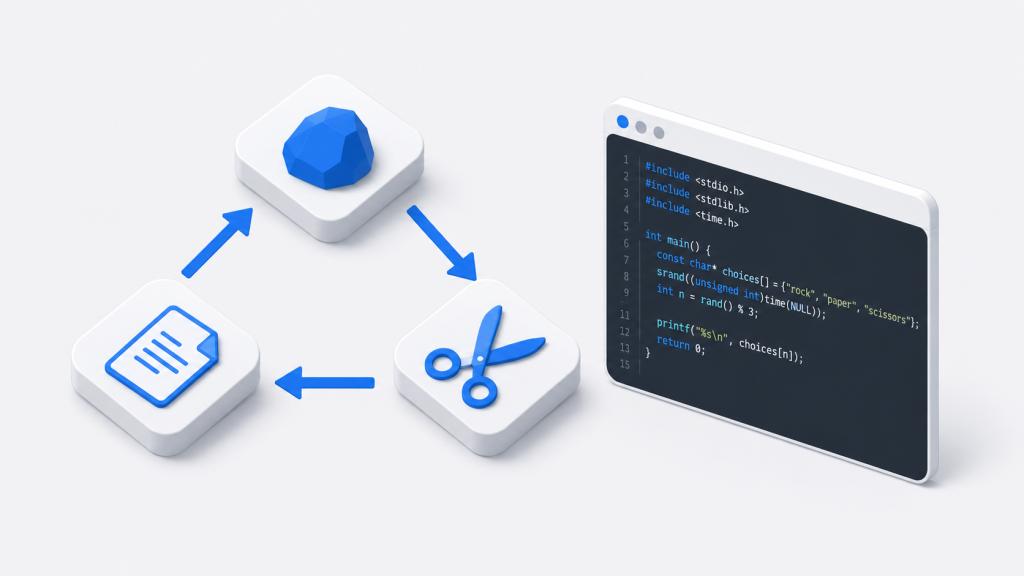
C Standard Library provides two different methods to generate random numbers. They are: rand() and srand().
Source Code
The Standard Template Library (STL) is one of the most essential features of C++. It has very much grown in recent years. Basically, the Standard Template Library provides templatized, general-purpose classes as well as methods. These classes and functions/methods implement several popular and most commonly used algorithms as well as data structures.
C Programming STL
You must have heard that C++17 is now feature full or feature complete. C++ 17 is the most recent version of C++ programming language revised by ISO/IEC 14882 standard. Its specification reached the DIS (Draft International Standard) stage in March 2017 and after approval, the final standard was published in December 2017. Hundreds of proposals were put forward for updating the features in C++17.
C++ Programming Modern C++ Programming STL
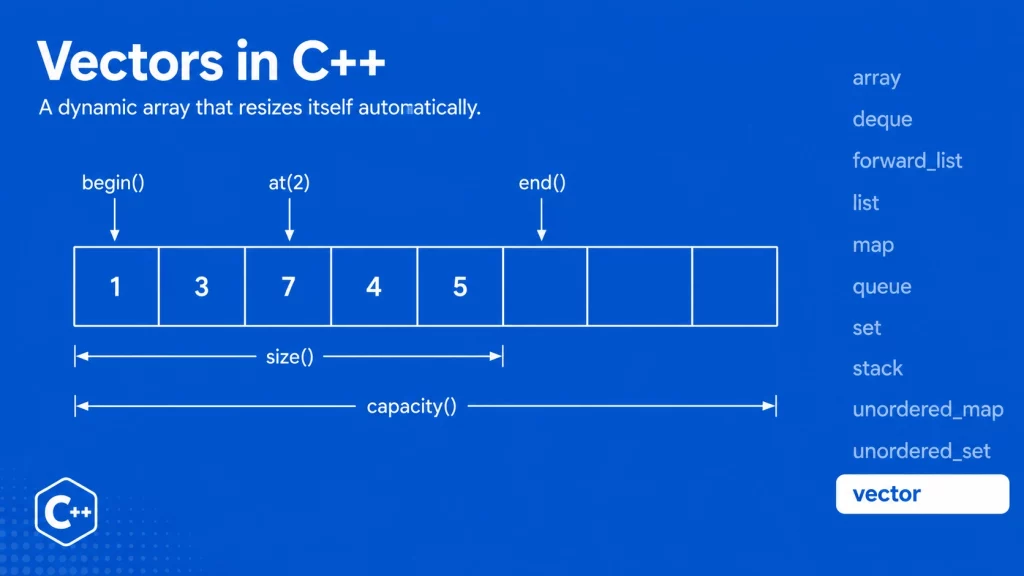
Vectors in C++ are highly versatile sequence containers that provide dynamic resizing and efficient memory management. This guide covers topics ranging from vector initialization to advanced techniques for vector manipulation and acts as a comprehensive resource for developers who want to deepen their understanding of this essential container in C++.
C Programming STL