
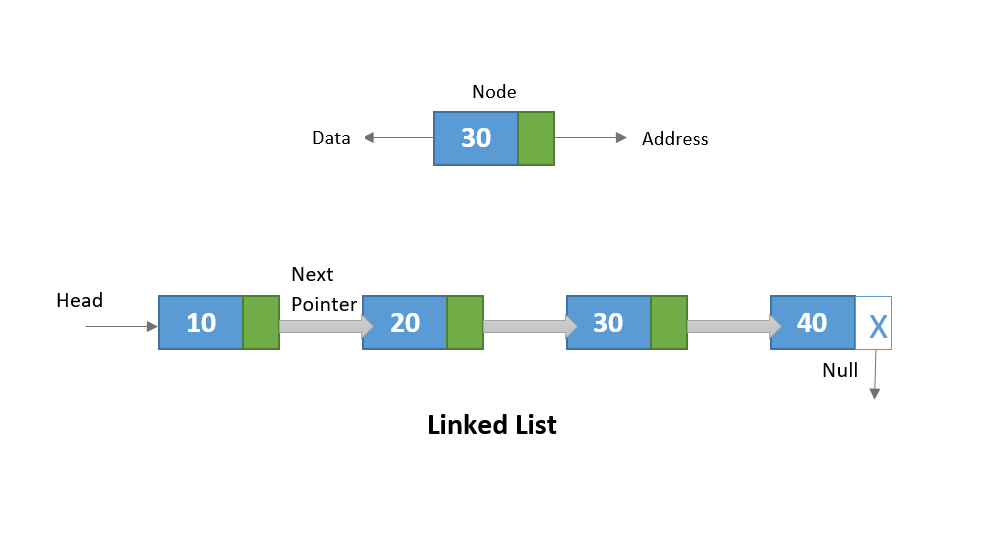
Linked List Demo
This is a C Program to perform list traversal operation using linked list. This C program to show the basic functions of linked list such as add, delete, append and delete.
C is one of the most important programming languages ever created. Developed in the early 1970s, it remains the foundation of operating systems, embedded systems, compilers, and high-performance software used across the world today. Learning C gives you a deep understanding of how computers actually work — memory, pointers, data structures, and low-level system operations that higher-level languages hide from you.
At MYCPLUS we have been publishing C programming tutorials, source code examples, and practical guides since 2004. Whether you are writing your first Hello World program or working through complex data structure implementations, this section covers every stage of the C learning journey. You will find step-by-step tutorials, working source code you can compile and run immediately, and clear explanations of concepts that are often poorly explained elsewhere.
C is the language that powers Linux, Windows internals, embedded microcontrollers, game engines, and countless performance-critical applications. If you want to become a serious systems programmer, understand how memory works, or simply build a rock-solid foundation before moving to C++, Java or Python — start here.
Why MYCPLUS Trusted by C programmers since 2004 — every tutorial includes working source code you can compile, run and learn from immediately.
This is a C Program to perform list traversal operation using linked list. This C program to show the basic functions of linked list such as add, delete, append and delete.
A prime number is a number greater than 1 that cannot be formed by multiplying two smaller natural numbers. A natural number greater than 1 that is not prime is called a composite number.
This C program reads a sequence of positive integers as input by the user and print their sum. The program keeps on taking the input from user until user enters number ( 0 ) and program calculates the sum of all input numbers. Finally this C program prints the sum of all the numbers on screen and terminates.
This program serves as a practical example for beginners to understand array manipulation, function usage, and basic input/output operations in the C programming language. It also introduces concepts like function prototypes and error handling.
This is a C program of showing how to use a pointer to a function. The pointer to a function
This C source code demonstrates the implementation of fundamental mathematical operations using functions in the C programming language. It includes functions for calculating the square of a number, reading user input, and determining the area of a rectangle. The main program showcases the usage of these functions with specific values, providing a practical example for beginners to understand basic C programming concepts.
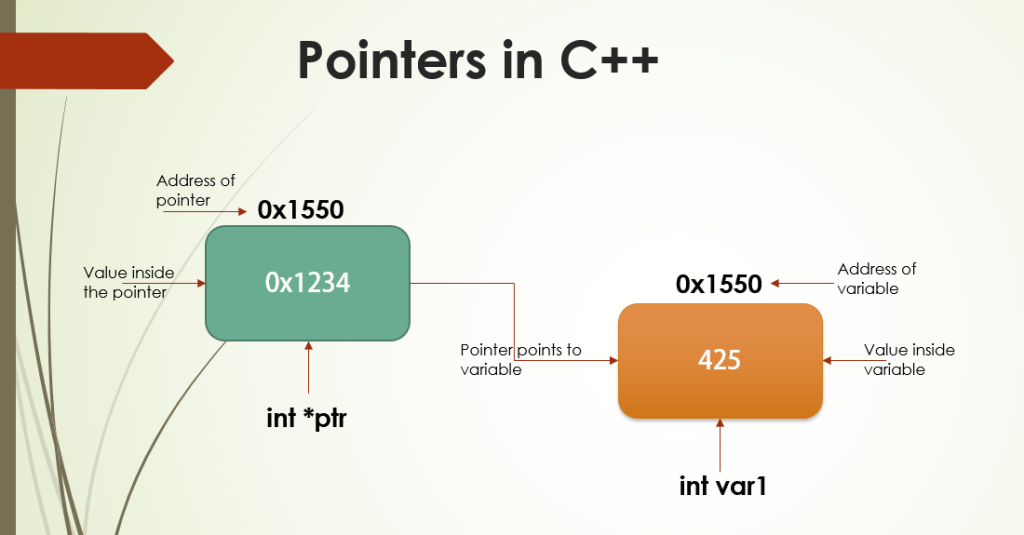
This is a simple C program to show pointers and how you can use pointers to print address of variables and their contents. This program prints the address of a variable, value of a variable, values of pointers.
The C program is a file listing utility that displays information about files in a specified directory. It uses command line arguments to display the listing in a tree style. The program iterates through the files in the specified directory and shows all the files and folders in specific directory with the file size, last modified date and other file attributes.
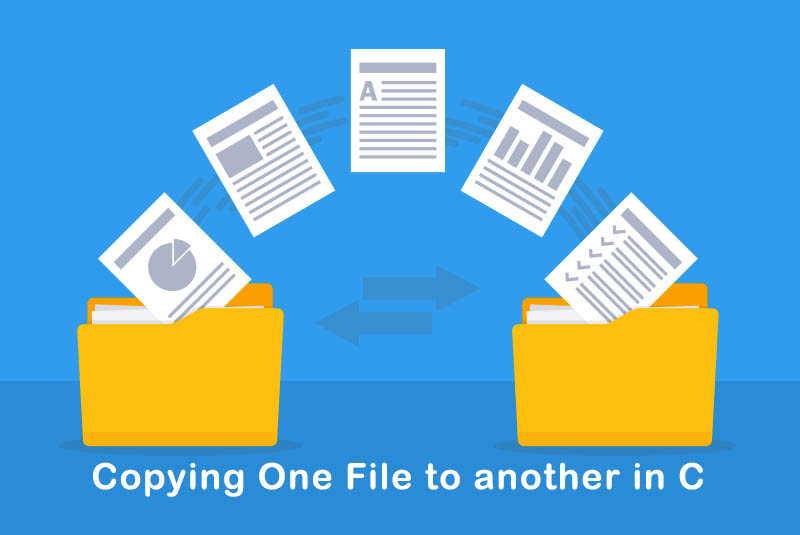
This is a simple C program that copies the contents of one file onto another file. It is similar to Unix’s cp command. This C program is called with two parameters i.e. the names of two files. The contents of the file referenced in second parameter are copied onto the file which is referenced by first parameter.
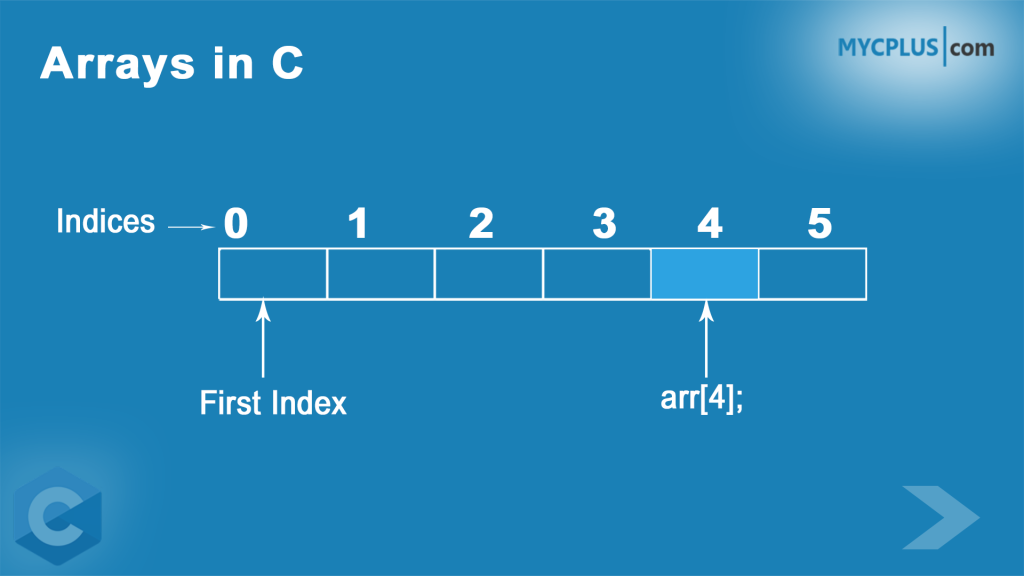
This C program shows insertion in Arrays. It shows how to insert an element in an array at any point. This program also shows how to print the updated array after the item is inserted in the array.
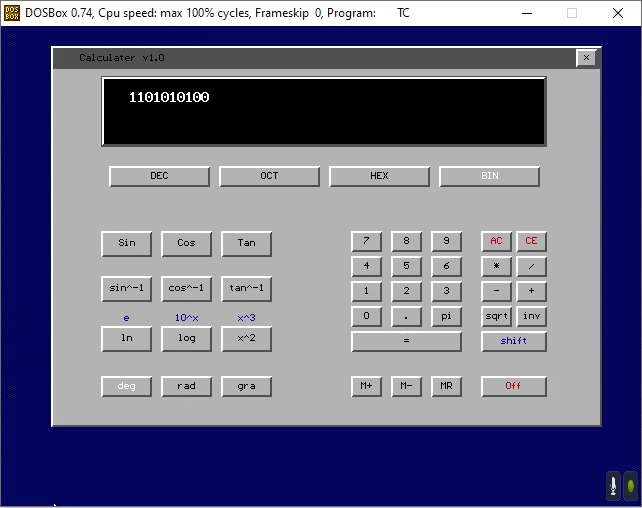
This is a C implementation of basic and few advance scientific features of calculator. It shows a nice graphical UI of the calculator with 3D buttons and demonstrates click button animation functionality. The functionalities of the calculator includes: Basic Mathematics (Add, Subtract, Multiply and Divide), Advance Mathematics (Square root, Square, Cube), Logarithmic Functions (Log, Natural Log (ln), e, Exponential), Number Conversions (Binary, Decimal, Hexadecimal and Octal), Trigonometric Functions (Sine, Cosine, Tangent, Cotangent, Secant and Cosecant), Angle Measurement (Degree, Radia and Gradian), Other Functions (Memory, Pi and Inv).
This is a C Language Program to show the drawing and filling of some basic shapes like rectangle, circle etc. with colors and different shades by using Turbo C graphics.h and modern SDL libraries.