
Adobe Photoshop CS One-on-One
Had it with gray, dull Photoshop books that put you to sleep? Jump-start your education and master Photoshop fundamentals and […]
Had it with gray, dull Photoshop books that put you to sleep? Jump-start your education and master Photoshop fundamentals and […]
Whether you?re new to 3D Studio Max or you’re an experienced developer working on your next game, Modeling a Character
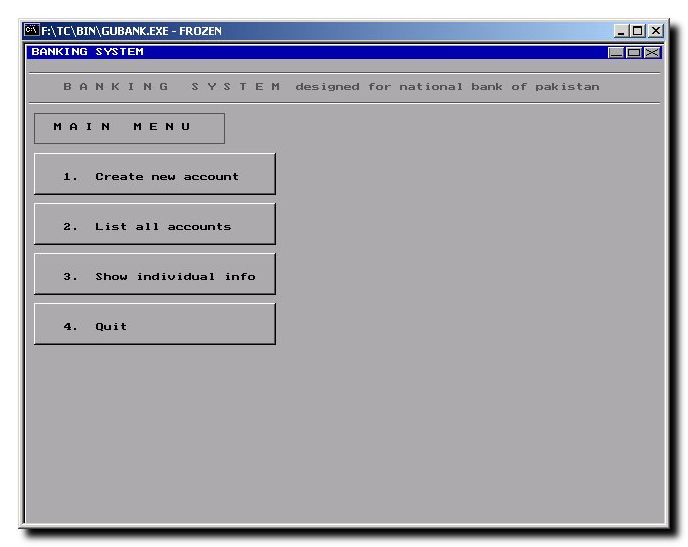
This is an automated software system written in C programming language for Bank Management which can handle accounts for customers. It uses files to handle the daily transactions, account management and user management. Its not a complete accounting software just like implemented in the banks, but still it can manage the accounts of the customers using the files at back end. It has a nice graphical layout written in C Language.
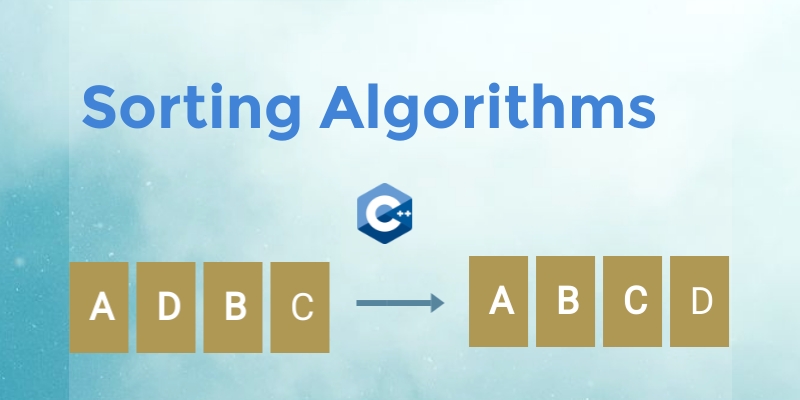
In a lot of programs my gensort-utility turned out to be very useful. It consists simply of the header file

LibGD is an open source Graphics library for the creation of images dynamically by programmers. GD is written in C, and “wrappers” are available for Perl, PHP and other languages. GD is commonly used to generate charts, graphics, thumbnails, and most anything else, on the fly. While not restricted to use on the web, the most common applications of GD involve website development. It allows to quickly draw images complete with lines, arcs, text, multiple colors, cut and paste from other images, and flood fills, and write out the result as a PNG or JPEG file.
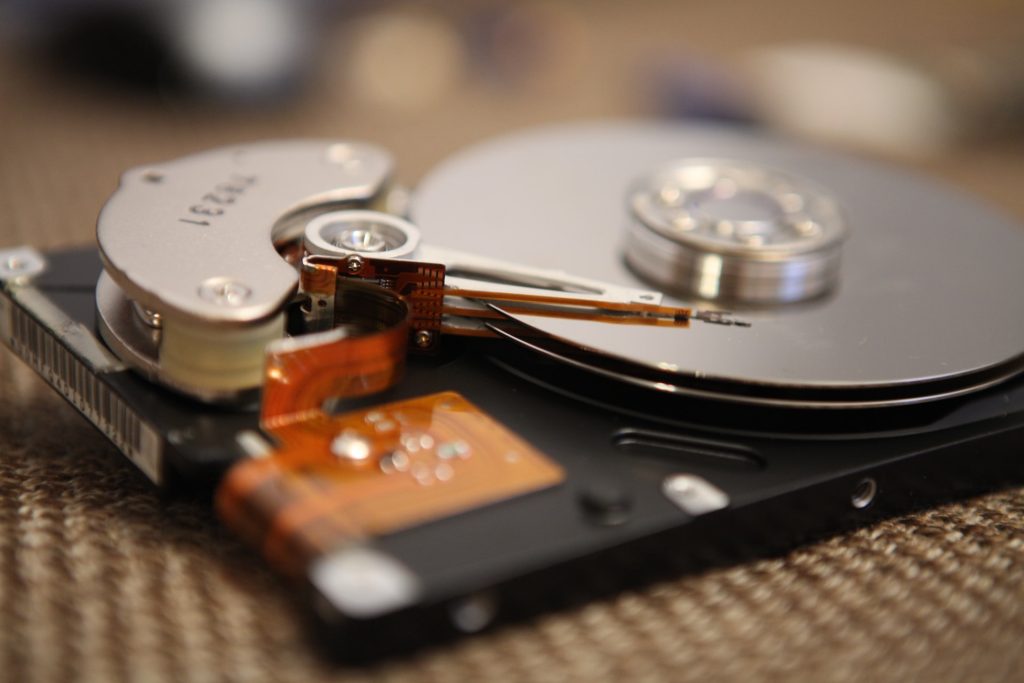
Truecrypt is an Open Source utility written in C that allows you to encrypt files or disk volumes on Windows or Linux and is very secure. It creates a virtual encrypted dist within a file and mounts it as a real disk.
Ubiqx is a collection of ANSI C compatible modules for implementing linked lists, binary trees, caching and spare arrays. The goal of the ubiqx project is to develop a set of clean, small, re-usable code modules which implement fundamental constructs and mechanisms, and to make them available under the terms of the GNU Library General Public License (LGPL).

Adobe Source Libraries (ASL) provides peer-reviewed and portable C++ source libraries. The libraries are intended to be widely useful, leveraging and extending both the C++ Standard Library and the Boost Libraries.

FLIB2C is a tool to create header files that provide a simple and easy-to-use interface between FORTRAN (library) routines and C. The differences between the FORTRAN and C calling sequences are hidden in a header file that has to be created for every FORTRAN library. FLIB2C simplifies the task of creating a header file.

To configure the program, edit the file “jsconfig.h”. Since this is a general configuration file, not all settings may apply to this package. If in doubt, use grep or anything else to find out if a specific configuration symbol is used somewhere.
The big sort routine implements a way to sort huge amounts of data using C programming language. It sorts the data that do not fit into main memory by using a multi-phase sorting on files. It is a implementation from the book “Algorithms and data structures” by Niklaus Wirth. Additionally, this routine recognizes small amounts of data that do fit into memory and resorts to a in-place quicksort.
This script allow you to quickly blink the background. With a click of a button, the background changes from white