
C Programming Source Code Examples

Base 64 Encoding and Decoding

C Implementation of Base64 Encoding and Decoding

Base64 encoding and decoding schemes are commonly used to encode binary data. Normally this is required when textual data needs to be transferred over the network or similar media and make sure that data is transferred without any modification. Base64 is commonly used in a number of applications, including email via MIME, and storing complex data in XML. This is a very simple implementation of base64 encoding and decoding in C programming language. There are number of C libraries available for encoding and decoding as well i.e. libb64, OpenSSL Base64, Apple’s Implementations, arduino-base64 etc.
Porter's Algorithm in C

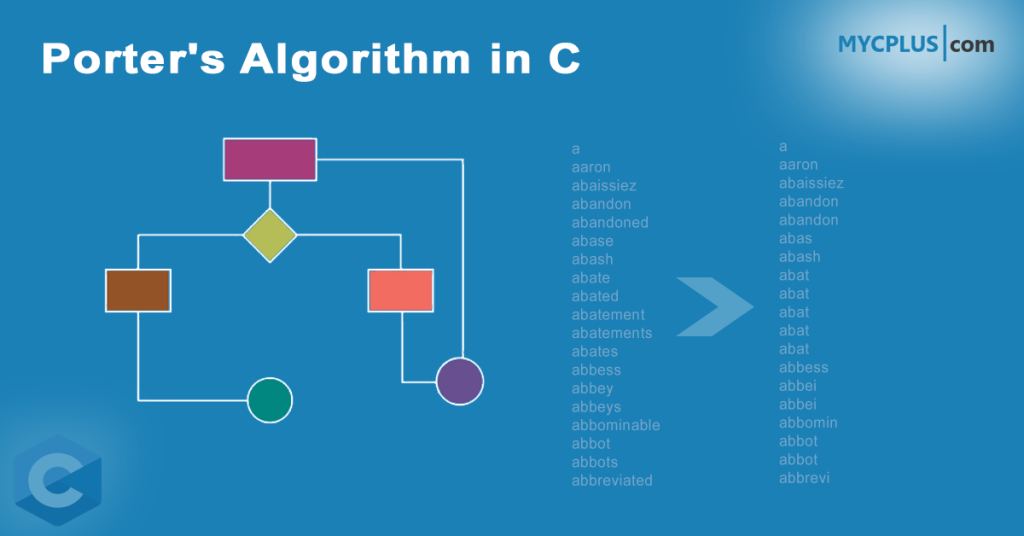
Porter’s Algorithm in C

Originally written in 1979 at Computer Laboratory, Cambridge (England), it was reprinted in 1997 in the book “Readings in Information Retrieval”. Initially it was written in BCPL language. Here is the list of implementations in other programming languages including C, Java and Pearl implementations done by author himself.

library books

C Program of Library Management System

This is a C program to implement Library Management System by which a librarian can operate a simple library. It uses Linked List, Stack and Pointers to implement different features of the library system. The program also uses struct data structure to add records in the library.

C Program to Calculate Factorial of a Number

C Program to Calculate Factorial of a Number

This C program is designed to compute the factorial of a user-entered integer. The program employs a for loop to calculate the factorial and then displays the result. The user can continue inputting positive integers to obtain their factorials until a non-integer input is provided which terminates the program.

Snake Game – C Imlementation

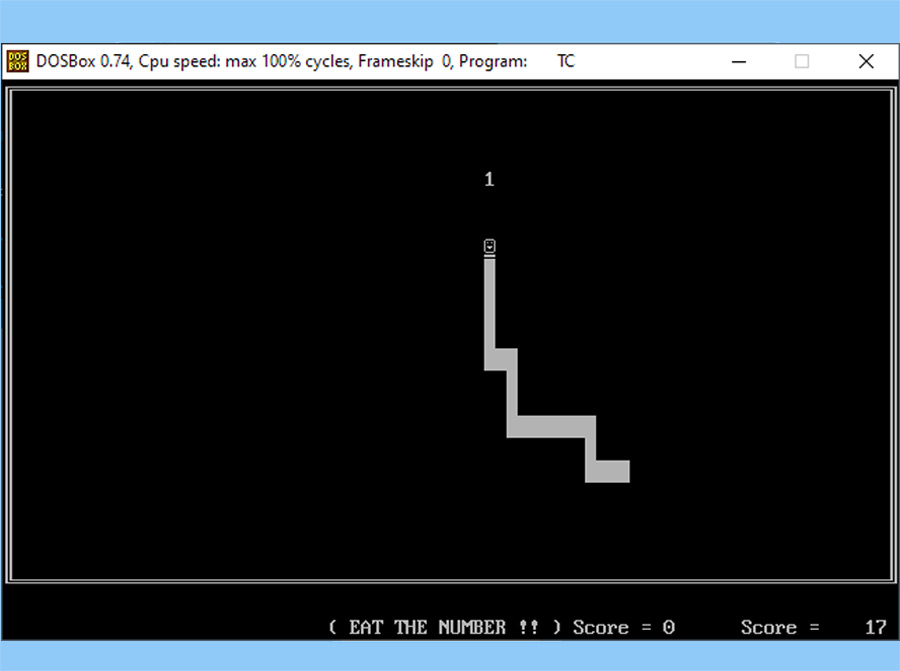
This C program simulates the game “snake” which is usually available in old mobile phones. A string of characters moves on the screen according to arrow keys pressed by user. If it touches itself or screen boundary, the program terminates. When the snake moves, in arbitrary screen positions some digit (1-9) appears. The objective of the game is to make the snake eat the said digit, so that it is added to the score. When a digit is eaten, the size of the snake increases by the number of characters equal to the value of the digit.

Number Shuffling Game

C Program: Number Shuffling Game

This C program is a simple console-based implementation of a number-shuffling game. The game presents a grid of numbers, and the objective is to rearrange them in ascending order. The player can move the numbers by pressing the corresponding number keys, and the game tracks the number of moves taken to complete the puzzle.

Fibonacci Numbers

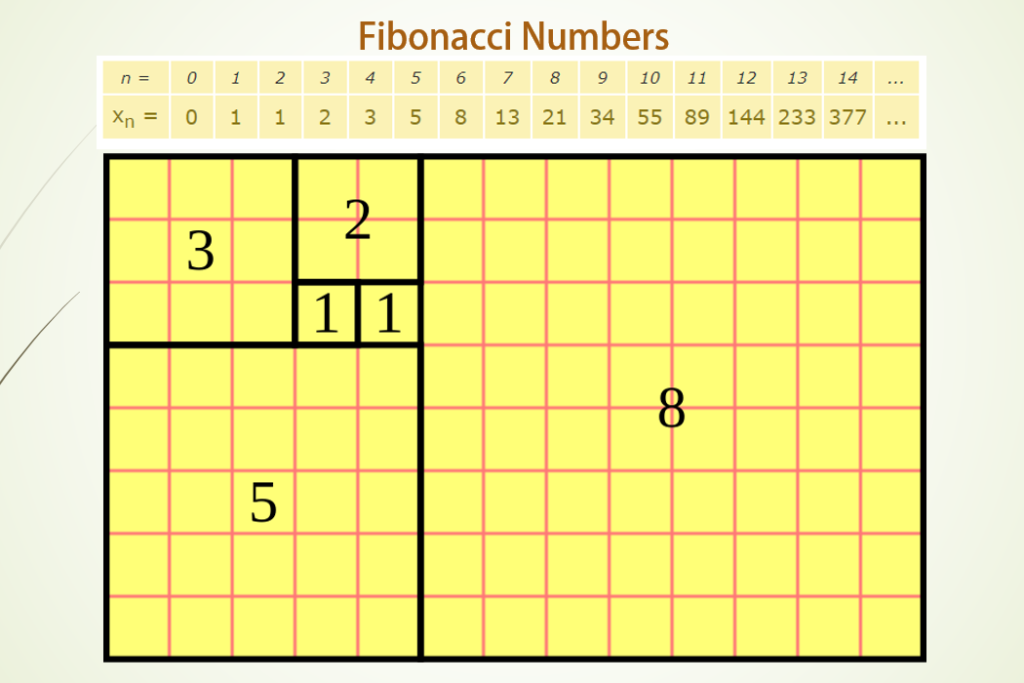
C Program to show Fibonacci Sequence

This C program prints out the first Fibonacci series of N numbers. In mathematics, the Fibonacci numbers are a sequence of numbers named after Leonardo of Pisa, known as Fibonacci. The first number of the sequence is 0, the second number is 1, and each subsequent number is equal to the sum of the previous two numbers of the sequence itself, thus creating the sequence 0, 1, 1, 2, 3, 5, 8, etc. The standard form of writing Fibonacci series is:

Datagram Operations using C

Datagram Operations using C

This application demonstrates the various datagram operations possible from NetBIOS. This includes sending and receiving both directed and group datagrams as well as broadcast datagrams.

Scroll to Top