Source Code

Solving the Knapsack Problem
C Programming Source Code Examples

Solving the Knapsack Problem with Code Examples

The Knapsack Problem is a classic optimization problem in computer science and mathematics. The goal is to maximize the value of items placed in a knapsack without exceeding its weight capacity. This problem has many variations, but the most common are: 0/1 Knapsack Problem: Each item can either be included or excluded. Fractional Knapsack Problem: Items can be divided to maximize value.

, ,
Best Code Analysis Tools
Computer Programming Blog

A Comprehensive Comparison of Static Code Analysis Tools

This article will list the top 10 source code analysis and code review tools that I have used throughout my 13+ years in the software development field. These tools are also known as Static Application Security Testing (SAST) Tools and can help analyze source code or compiled programs. Most developers use static analysis tools that are plugged into their development environments, such as Visual Studio, Eclipse, or other IDE consoles.

, , ,
Quadratic Formula and Quadratic Equation
C++ Source Code Examples – Classes, Inheritance & Polymorphism

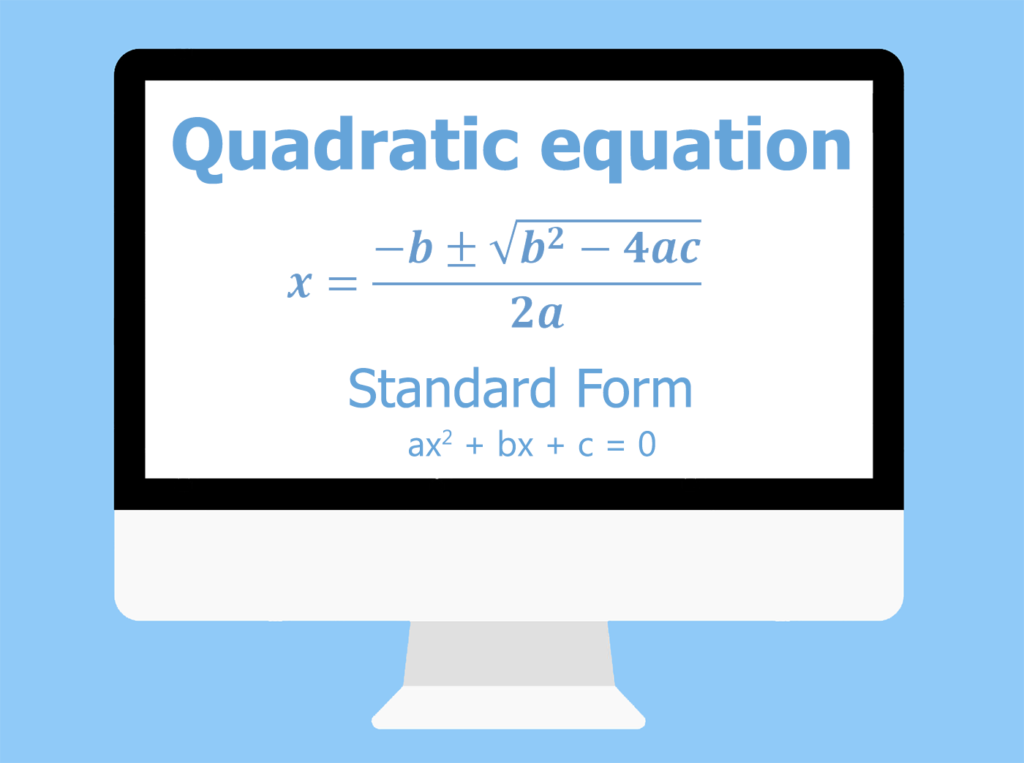
C++ Program to Solve the Quadratic Equation

This program will solve quadratic equations. It accepts coefficients of a quadratic equation from the user i.e. a, b and c and displays the roots. To compile the program name it quadratic_solver.cpp then type g++ -o quadratic_solver quadratic_solver.cpp You may need to use math.h like this: #include if you are using windows C++ programming software. (I tried it without the math.h and got an “undeclared identifier” error)

,
c-algorithms-library
C Programming Source Code Examples

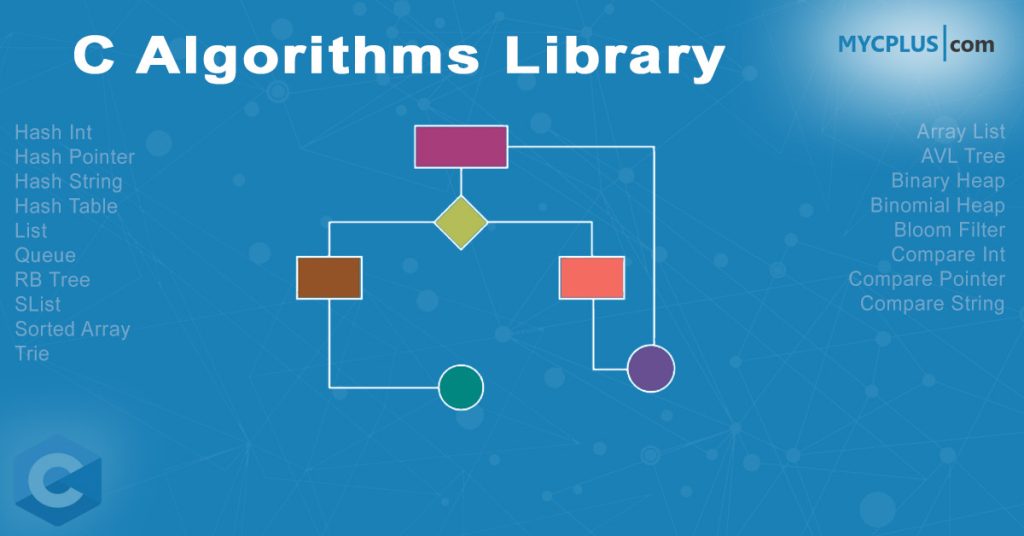
C Algorithms Library

This article is about a collection of common Computer Science algorithms which may be used in C projects. The C Programming Language has a much smaller Standard Library as compared to other more modern programming languages such as Java or Python. The library provides a basic set of mathematical functions, string manipulation, type conversions, and file and console-based I/O.

, ,
Scroll to Top