Inheritance
In real life inheritance is what we acquire from our parents. For example our lifestyle, way of talking etc… In […]
Encapsulation is a fundamental concept in Object Oriented Programming (OOP) that involves bundling data (attributes) and methods (functions) into a single unit known as a class. This encapsulated unit acts as a self-contained module which enhances code organization and promotes a more intuitive and manageable structure for programmers.
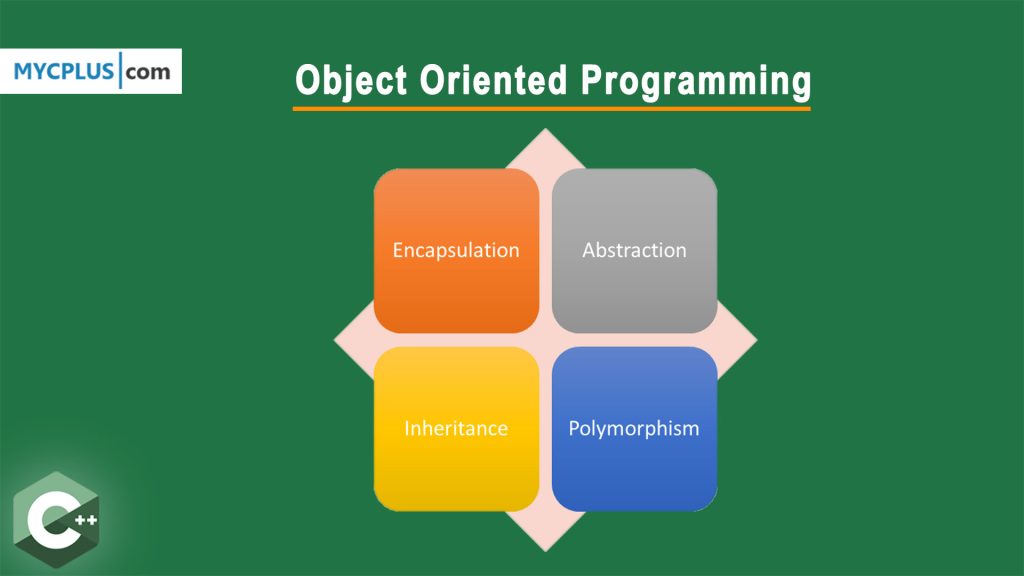
Any program which uses these five methodologies or any of it, we can call that program object oriented. They are Encapsulation, Data Hiding, Overloading, Polymorphism, Inheritance. Any programming language which supports all of these features and facilitate the programmer in developing the program in these methodologies is called Object Oriented Programming Language i.e. C++, Java, C#.
While grasping the fundamentals of encapsulation is crucial, delving into advanced concepts and patterns elevates code design and maintainability further in C++. In this article, we will explore sophisticated aspects of encapsulation that go beyond the basics and provides you with a deeper understanding of its applications and impact on software development.
Multiple Inheritance in C++ is a powerful yet intricate feature that allows a class to inherit properties and behaviors from more than one base class. In traditional single inheritance, a class can have only one immediate parent, but with multiple inheritance, a derived class can inherit from multiple base classes.
A constructor is a special method that is created when the object is created or defined. This particular method holds the same name as that of the object and it initializes the instance of the object whenever that object is created. The constructor also usually holds the initialization of the different declared member variables of its object.
A class is an organisation of data and functions which operate on them. Data structures are called data members and the functions are called member functions, The combination of data members and member functions constitute a data object or simply an object.
Object- Oriented Programming (OOP) is an approach to program organization and development that attempts to eliminate some of the pitfalls of conventional programming methods by in incorporating the best of structured programming features with several powerful new concepts.
Algorithms are are at the core of computing. One intriguing approach is Genetic Algorithms (GAs), which draw inspiration from natural selection and genetics. These algorithms excel at solving optimization and search problems by mimicking evolutionary processes. When it comes to putting these ideas into code, C++ stands out as a powerful and versatile language.
First hint of object oriented programming using C++. #include <iostream.h> #include <string.h> main() { int index; float distance; char letter;
This is a very basic C++ program that demonstrates data protection in a very simple way. Data protection in Object Oriented Programming is controlling access to all attributes is one of the most important concepts of object-oriented design
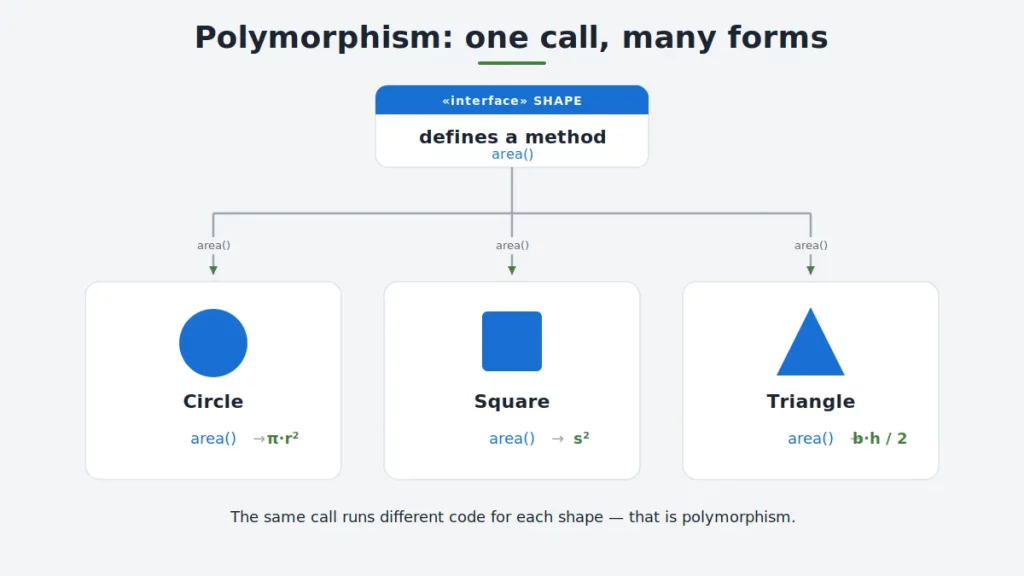
For a programming language to be considered Object-Oriented, it must support the concept of objects (abstract data types), inheritance, and polymorphism. In simple terms, OOP allows you to model your code after real-world entities, making it more intuitive and efficient. As you delve into C++ and its OOP features, keep in mind that the goal is to create programs that are not only functional but also easy to understand, maintain, and reuse.