Programming Tutorials – Learn Coding, Data Structures & Algorithms

Master C and C++ programming with beginner-friendly tutorials and resources at MYCPLUS. Learn data structures, algorithms, compilers, and essential programming concepts.

typedef keyword
Programming Tutorials – Learn Coding, Data Structures & Algorithms

The Typedef and using Keywords in C and C++

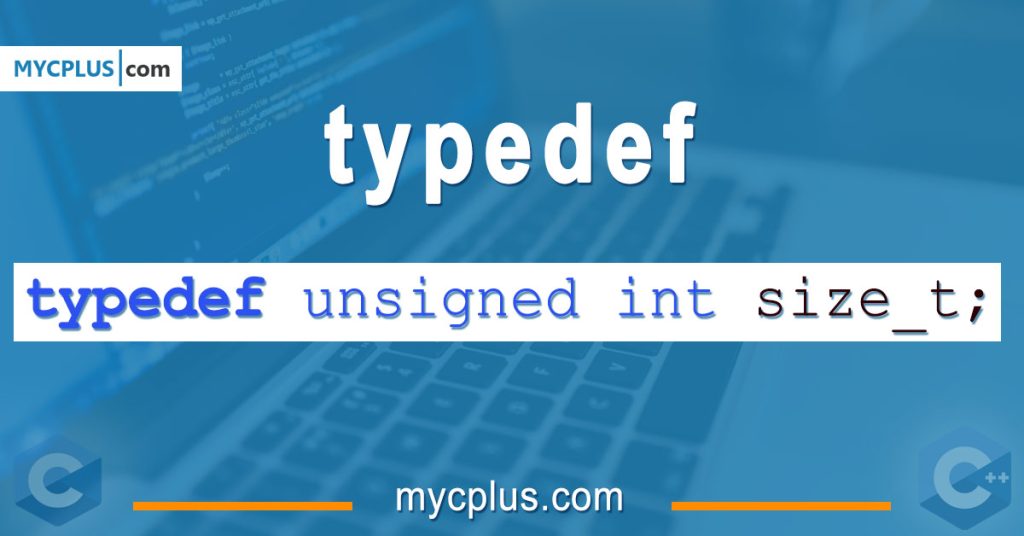
The typedef or “type definition” is a keyword in C or C++ Programming language that allows declaring different names for types such as int or char. It specifies that that the declaration is a typedef declaration rather than a variable or function declaration. In C/C++, any valid data type can be aliased so that it can be referred to with a different identifier.
, ,
char array and char pointer in C
C Programming Articles – Learn C as Your First Programming Language

Difference between char[] and char* in C? Character Array and Pointer

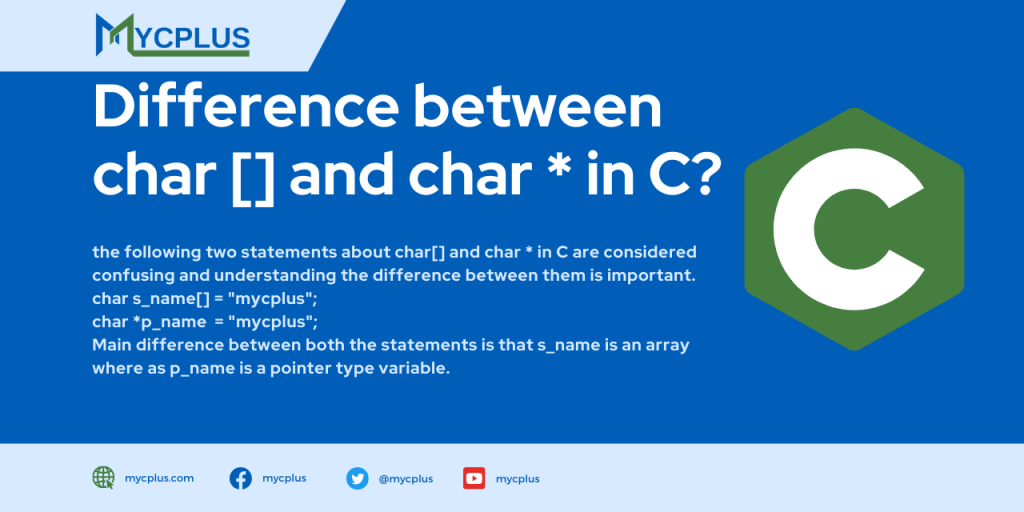
Generally, the following two statements about char[] and char * in C are considered confusing and understanding the difference between them is important. The first statement puts the literal string “mycplus” in read-only memory and copies the string to newly allocated memory on the stack. The second statement is known as static string allocation and definition.

, , ,
C++ Tutorials & Articles – Learn C++ Basics, Features & Compilers

C++ Standard Template Library – List

The Standard Template Library (STL) is one of the most essential features of C++. It has very much grown in recent years. Basically, the Standard Template Library provides templatized, general-purpose classes as well as methods. These classes and functions/methods implement several popular and most commonly used algorithms as well as data structures.

,
vectors in C++
C++ Tutorials & Articles – Learn C++ Basics, Features & Compilers

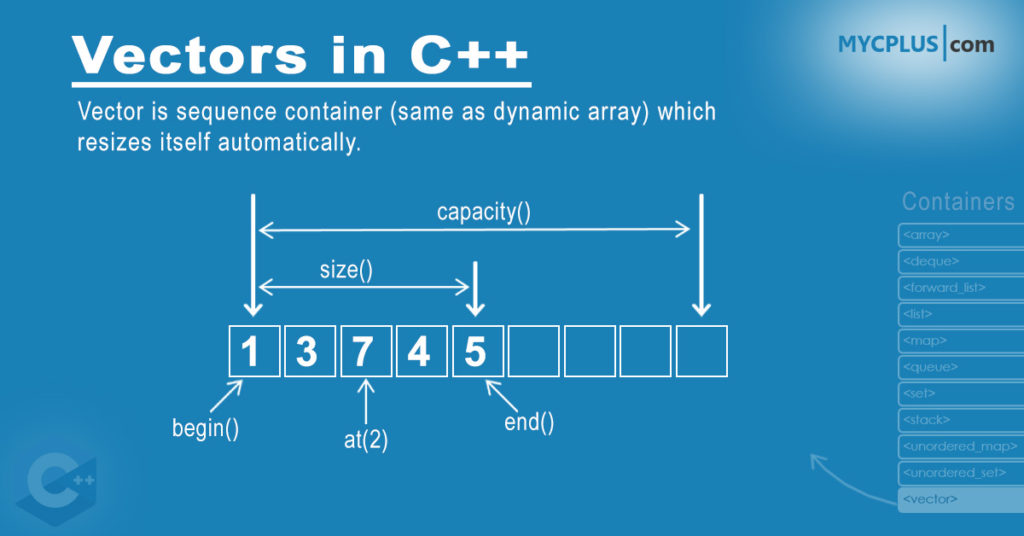
C++ Vector – std::vector – A Complete Guide with Examples and Programs

Vectors in C++ are highly versatile sequence containers that provide dynamic resizing and efficient memory management. This guide covers topics ranging from vector initialization to advanced techniques for vector manipulation and acts as a comprehensive resource for developers who want to deepen their understanding of this essential container in C++.

, ,
Ternary Operator with Examples in C
C Programming Articles – Learn C as Your First Programming Language

Ternary Operator with examples in C

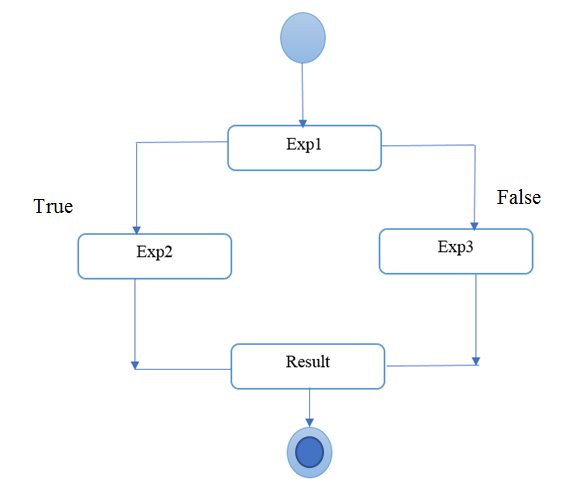
In C Programming, ternary operator allows executing different code depending on the value of a condition. The returned value is the result of the expression when the code is executed. The main advantage of using ternary operator is to reduce the number of lines of code and improve the performance of application. In C, the real utility of ternary operator is that it is an expression instead of a statement i.e. you can have it on the right-hand side (RHS) of a statement. So you can write certain code statements more concisely.

, ,
Ternary Operator Diagram
C++ Tutorials & Articles – Learn C++ Basics, Features & Compilers

Ternary Operator with examples in C++

In C++, ternary operator allows executing different code depending on the value of a condition, and the result of the expression is the result of the executed code. The ternary operator uses 3 operands. It evaluates a condition and after that chooses one of its two branches to execute, depending upon the result of condition. The symbol for ternary operator is “? :”. The syntax for the ternary operator is: ? : ;

, ,
Types of Polymorphism in C++
C++ Tutorials & Articles – Learn C++ Basics, Features & Compilers

Polymorphism in C++

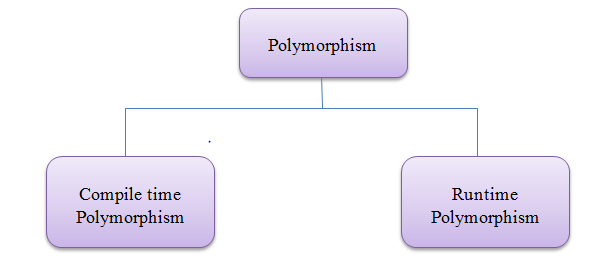
Simply speaking, polymorphism is the ability of something to be displayed in multiple forms. Let’s take a real life scenario; a person at the same time can perform several duties as per demand, in the particular scenario. Such as, a man at a same time can serve as a father, as a husband, as a son, and as an employee. So, single person possess different behaviors in respective situations. This is the real life example of polymorphism. Polymorphism is one of the important features of Object Oriented Programming (OOP).

, ,
Scroll to Top