Muhammad Saqib – Senior Software Engineer & Founder of MyCPlus

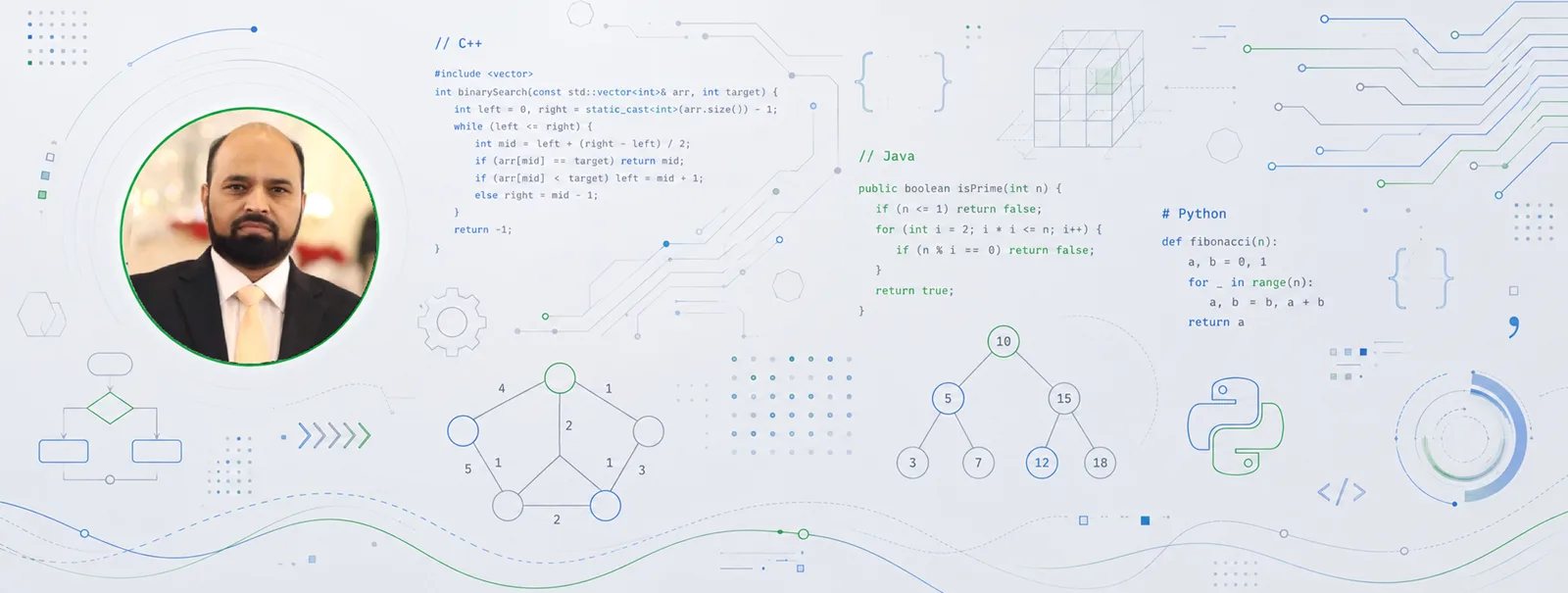
Muhammad Saqib author banner — MyCPlus

Muhammad Saqib is the founder and lead author of MyCPlus, the programming-education site he launched in 2004. The idea grew out of his own struggle learning to program at university — C was the first language he picked up — and the help he wished he’d had became the site he built for others. What began as a C and C++ resource has since grown into a broad hub of tutorials, working code examples, and computer science guides across many languages and skill levels.

He holds an MSc in Computer Applications from the University of Plymouth, UK (2008) and has spent over 15 years building large-scale software across automotive, healthcare, retail, mobility, and education. Along the way he has worked with Ford, Hyundai, Trilogy/DevFactory, OT EMR, Al Othaim Markets, and NUST–SEECS, and today leads backend engineering as Technical Team Lead at a public transportation authority.

A hands-on, polyglot engineer, he works across C/C++, Java, C#, PHP, Python, and JavaScript, and writes here about programming, software engineering, DevOps, Agile, and computer science.

More than twenty years on, MyCPlus keeps the goal it started with: clear tutorials, real source code, and a place for learners to get unstuck — written by someone who has been on both sides of the problem.

Functions in C

C Programming: Example C Program to Understand Functions

This C source code demonstrates the implementation of fundamental mathematical operations using functions in the C programming language. It includes functions for calculating the square of a number, reading user input, and determining the area of a rectangle. The main program showcases the usage of these functions with specific values, providing a practical example for beginners to understand basic C programming concepts.

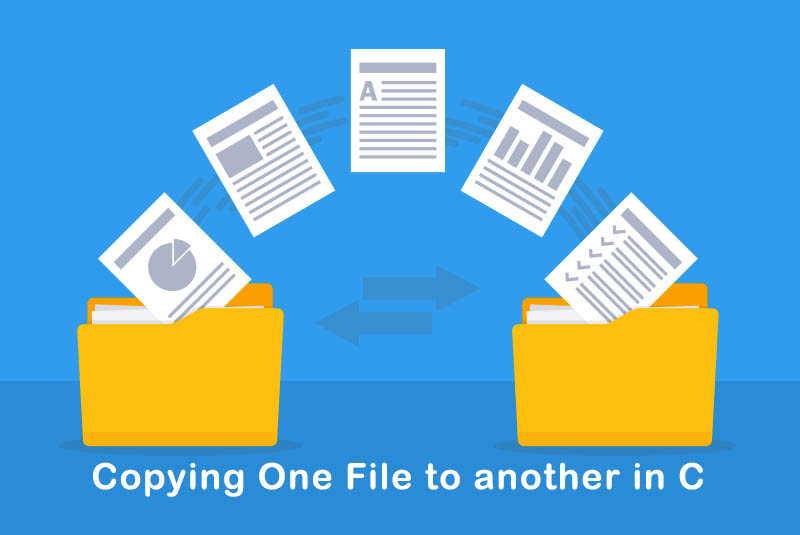
Copying One File to another in C

Copying One File to another in C

This is a simple C program that copies the contents of one file onto another file. It is similar to Unix’s cp  command. This C program is called with two parameters i.e. the names of two files. The contents of the file referenced in second parameter are copied onto the file which is referenced by first parameter. 

Defensive Programming Techniques

Defensive Programming Techniques

This source code is from Thinking in C++, 2nd Edition, Volume 2, by Bruce Eckel & Chuck Allison. You can use Borland, G++ (For version 3 and above only), Microsoft (For C++ with .NET only) to compile and build this source code. Writing perfect software may be a daunting task for developers, but a few defensive techniques which are routinely applied can go a long way toward narrowing the gap between code and ideal. Defensive programming practices are often used where high availability of the application is required, safety if utmost concern, or security is needed for application to work.

Base 64 Encoding and Decoding

256-bit Serpent VB Implementation

This is a slow but working Visual Basic implementation of the 256-bit Serpent algorithm. Serpent was a finalist for Advanced Encryption Standard (AES) and appears to be a very secure powerful algorithm. The Advanced Encryption Standard, or AES, is a symmetric block cipher chosen by the U.S. government for the encryption of classified electronic data and is implemented in software and hardware throughout the world to encrypt sensitive data.

Base85 Encoding

BASE 85 Encoding VB Class

This is a BASE85 Encoding Visual Basic class that expands the text to be encoded by 4:5 i.e. uses 5 ASCII characters to represent 4 bytes with 80% accuracy. Used in Postscript and PDF documents. Useful if binary data needs to be persisted in ASCII text.

Scroll to Top