
Multiple inheritance
In order to keep the program as simple as possible, all of the member methods are defined as inline functions.? […]
Programming powers modern technology — from desktop software and websites to mobile apps, games and enterprise systems. Strong programming skills remain essential for developers, students and technology professionals building modern digital solutions.
MYCPLUS has been publishing programming tutorials, source code examples and practical development guides since 2004. This programming hub brings together tutorials for C, C++, C#, Java, JavaScript, PHP and Python, along with game development and real-world coding examples designed for hands-on learning.
You will find beginner-friendly programming tutorials, practical source code examples and advanced development guides covering object-oriented programming, debugging, modern programming techniques and professional software development practices. Whether you are learning your first language, improving coding skills or exploring modern development technologies, this section provides structured resources for real-world programming and software engineering.
Why MYCPLUS: One of the web’s longest-running programming resources — trusted since 2004 with hundreds of tutorials, practical coding guides, source code examples and developer learning resources designed for real-world programming skills.
In order to keep the program as simple as possible, all of the member methods are defined as inline functions.? […]
program, the objects are instantiated from an?inherited class and the intent of this program? is to illustrate that there is
Demonstration of inheritance in c++. This example contains the following files. VEHICLE.H VEHICLE.CPP ALLVEHIC.CPP CAR.H CAR.CPP TRANSPORT.CPP TRUCK.H TRUCK.CPP Vehicle.h
The basic concept of multiple inheritance (MI) sounds simple enough: you create a new type by inheriting from more than
This is a special console based utility which will calculate the Message Digest, Base 64 Encoding and Decoding, Checks the
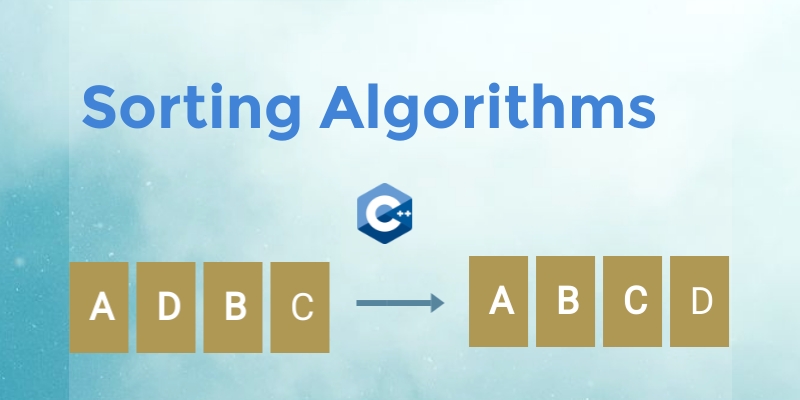
This is a C++ implementation of various sorting algorithms. The list of algorithms include Bubble Sort, Heap Sort, Selection Sort, Insertion Sort, Quick Sort, Merge Sort and Shell Sort. A brief description of each sorting algorithm is listed below along with their complexity.
This is graphic C program that can be used to store personal information of people such as name, telephone, mobile, fax, city and country.
The Birthday Reminder program is a simple console-based application written in C++. Its purpose is to help users keep track of important dates, such as birthdays, by allowing them to add, delete, and view reminders associated with individuals.
This is another one of my numerical analysis university assignments. It is an extension of binary to decimal conversion code.

This is a C++ class which has a member function that takes 3 arguments and converts the number from first base to second base. It takes the following arguments. – std::string thestlstring – int base – int base2
It is a snake game same as in Nokia Mobile Phones written n C++ using Turbo C++ compiler. I assure
This game will help all new C Language Programmers in understanding the concepts of graphics and object oriented programming in